What Is a Post Insulator
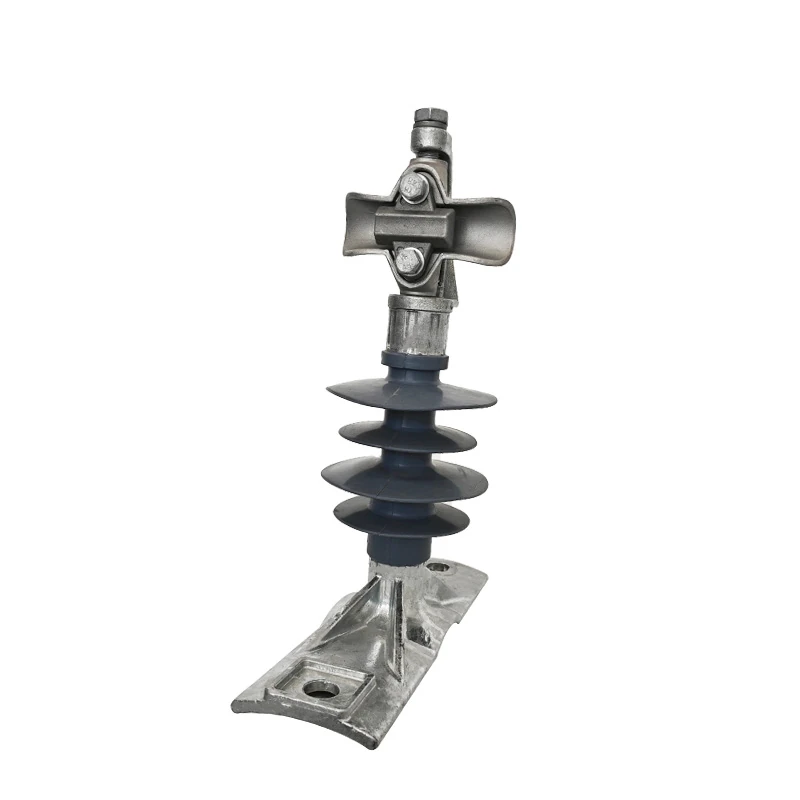
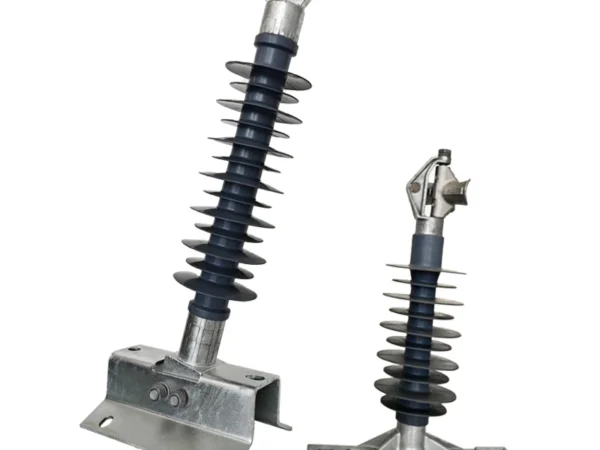
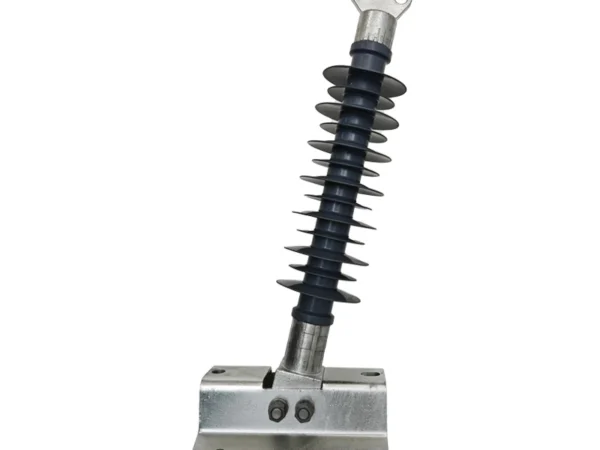
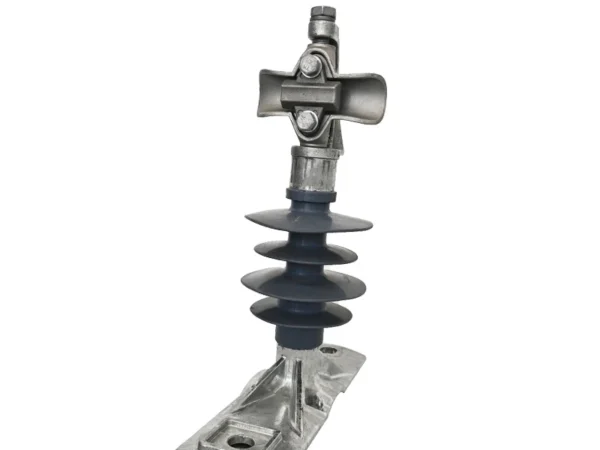
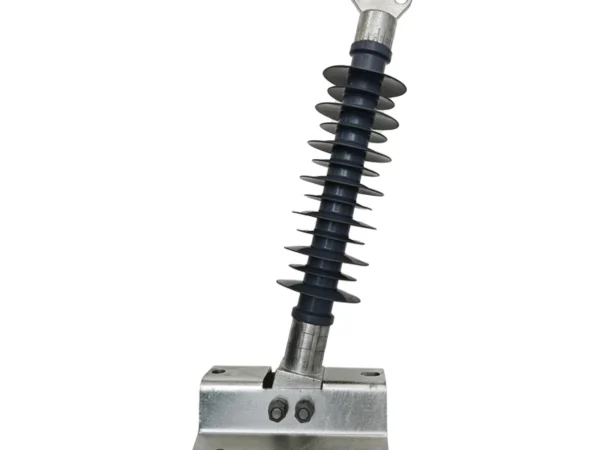
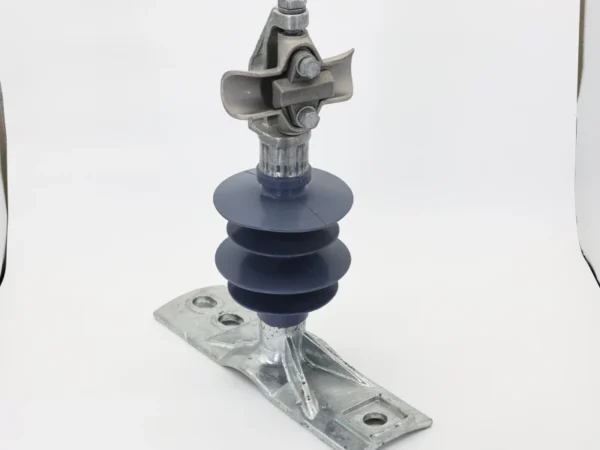
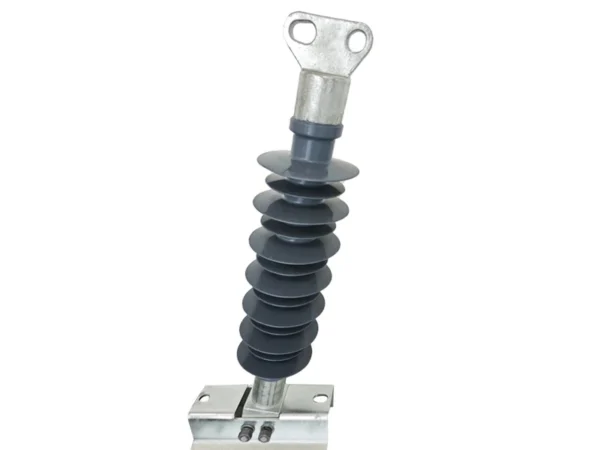
A post insulator is a special power accessory that supports the wires of overhead transmission lines. Manufacturers produce it with ceramic, glass or composite materials. It owns strong mechanical strength and high electrical resistivity. It safely holds the total weight of power wires and resists external wind loads. It also effectively blocks electric current from leaking out during power operation.
Core Function of Electrical Insulation
Electrical insulation is the most important function of a post insulator. High-voltage electric current flows through transmission wires during daily operation. Post insulators completely separate live wires from grounded iron towers and metal support structures. They prevent electric current from flowing into the ground. This insulation performance avoids power loss, prevents short-circuit faults, and keeps the entire power transmission system stable and safe.
Reliable Mechanical Bearing Capacity
Post insulators must maintain stable mechanical performance for a long service life. They directly bear the static weight of overhead wires. They also resist dynamic loads caused by strong wind, snow, ice and frequent temperature changes. Engineers strictly design each structure to ensure long-term durability and working reliability in outdoor environments.
Wire Supporting and Tension Adjustment
Post insulators support, fix and properly tension overhead transmission wires. They keep wires in a stable tension state to adapt to different terrain changes. They greatly reduce wire wear caused by long-term vibration and swing. Scientific tension control prevents wire damage from excessive looseness or over-tightening.
Effective Prevention of Current Leakage
Post insulators form a safe isolation layer between live wires and metal towers or cross arms. They cut off the conductive path to the ground. If wires contact the ground directly, current will form a loop and cause serious power leakage. Post insulators avoid this risk, reduce transmission loss, and improve overall power transmission efficiency.
Features of Silicone Rubber Composite Post Insulators
Superior Mechanical Performance
This series of composite insulators provides high tensile strength and bending strength. They resist impact damage, structural vibration and earthquake pressure very well. They effectively avoid brittle fracture problems that often appear on traditional ceramic insulators.
Lightweight and Low Maintenance Cost
Silicone rubber composite post insulators feature light weight and simple structure. Workers complete field installation and daily maintenance quickly and easily. They greatly save construction time and operating costs.
Universal Installation and Interchangeability
The top and bottom mounting dimensions fully match the standard sizes of traditional ceramic post insulators. Users can directly replace old ceramic insulators with composite types without modifying tower structures. This interchangeability brings great convenience for equipment upgrading and maintenance.