

Description
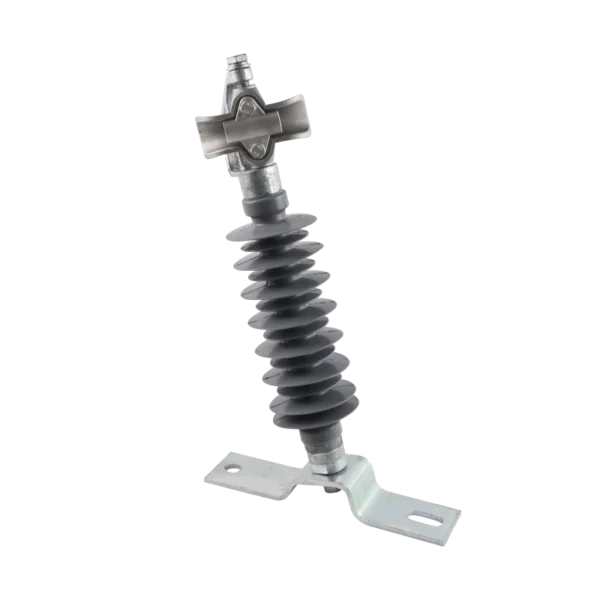
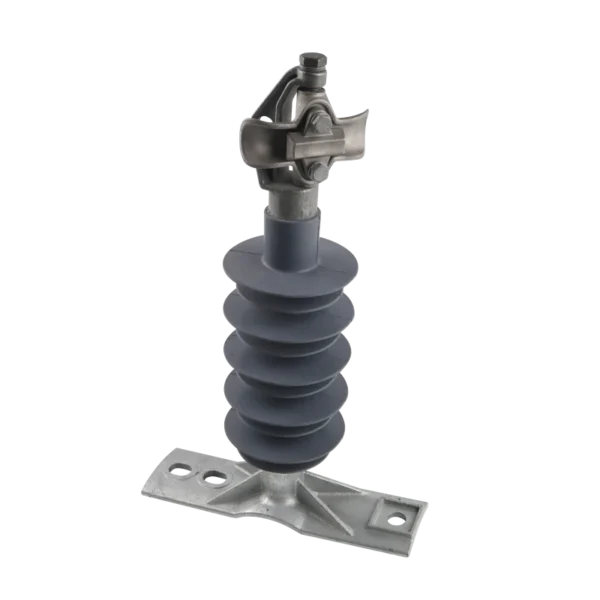
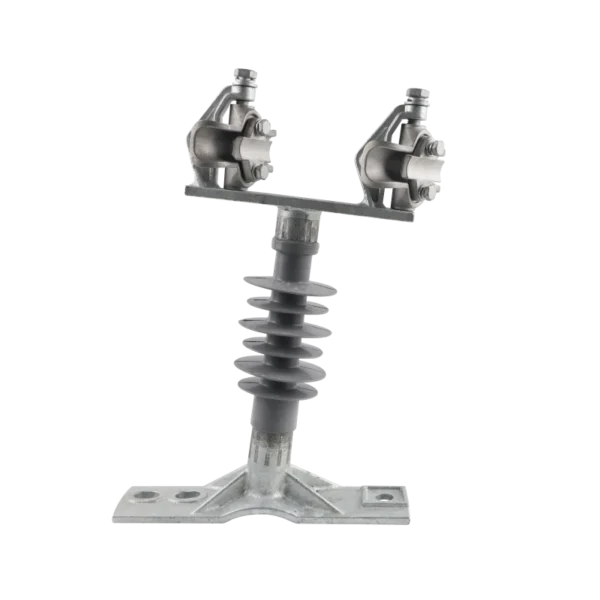
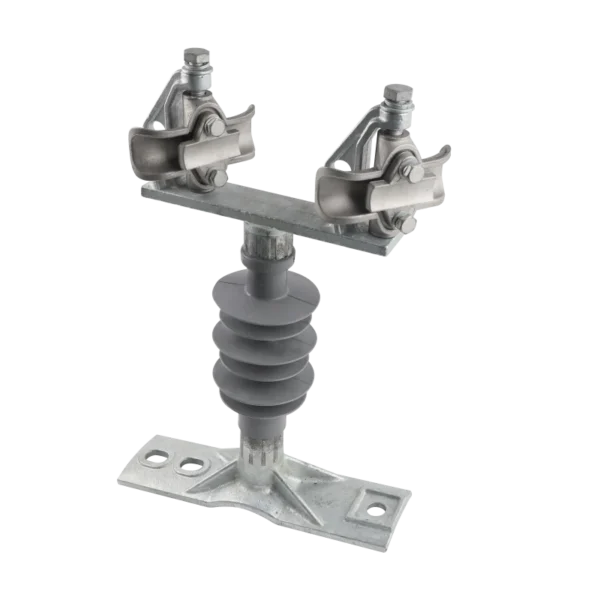
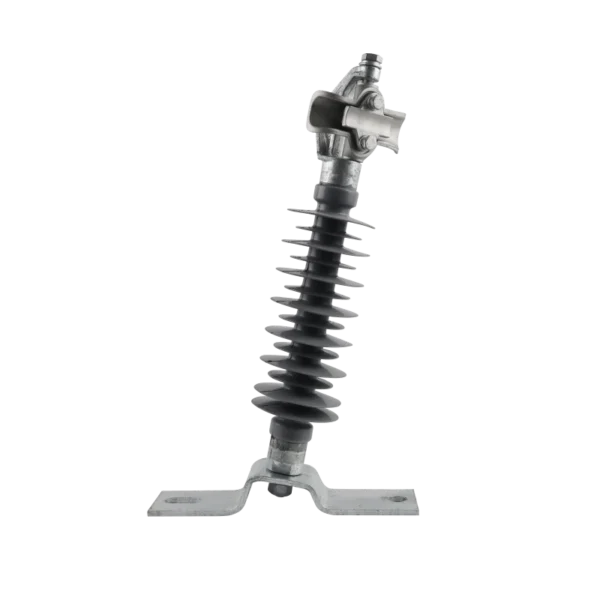
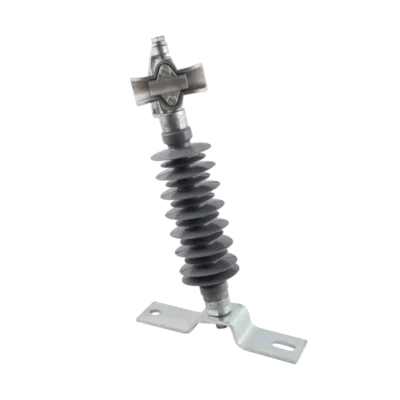
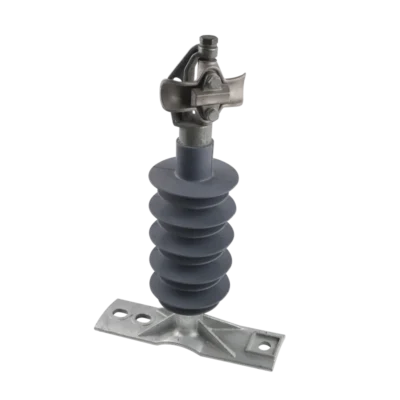
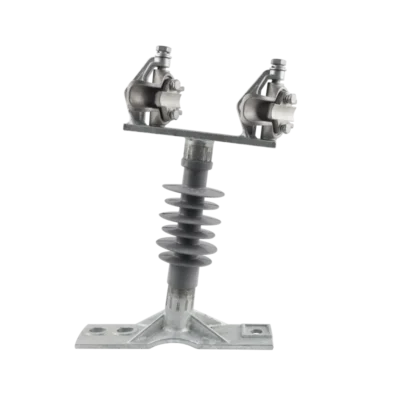
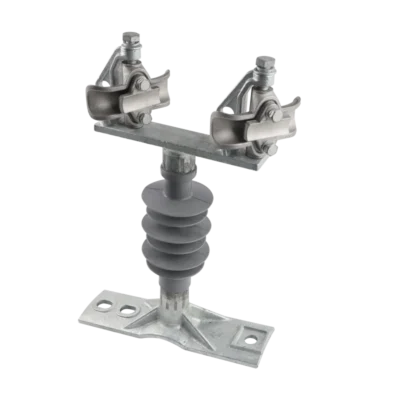
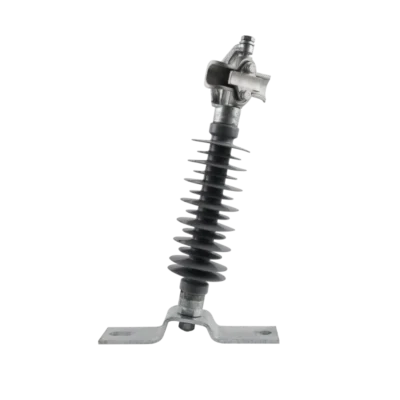
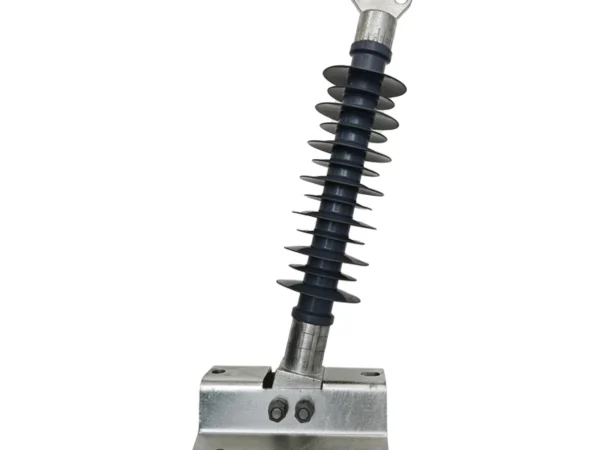
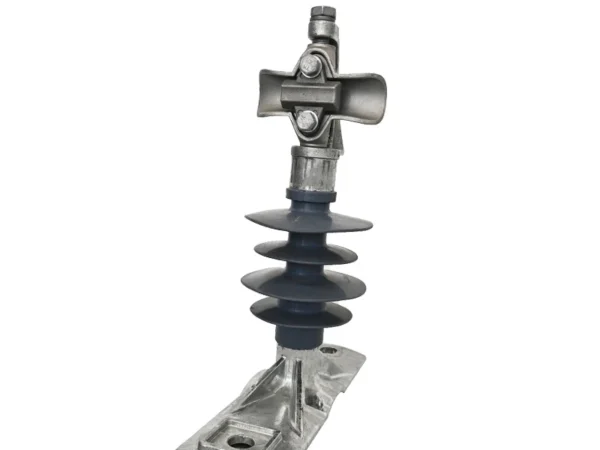
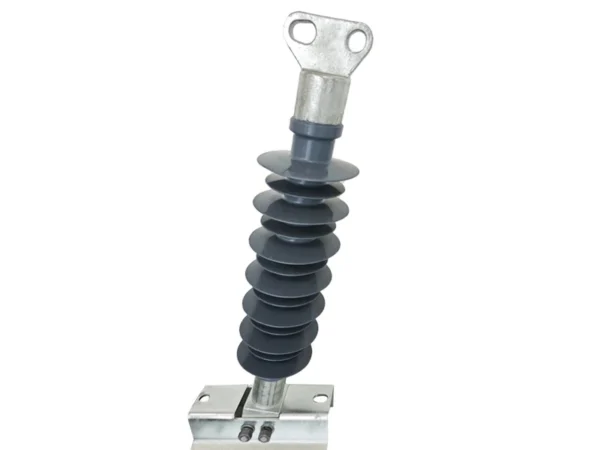
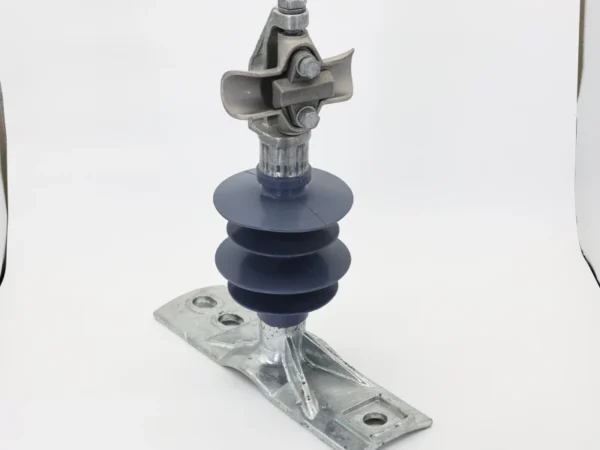
Silicone rubber composite post insulators, also known as synthetic insulators, are made of three main parts: a fiberglass epoxy resin rod, silicone rubber sheds, and metal fittings.
Overall Structure and Basic Installation Advantages
Silicone rubber composite post insulators adopt an integrated rod-shaped design. They have a compact structure and high quality. Their weight is only one-tenth of ceramic and glass insulators of the same level, which makes transportation and installation extremely easy. These insulators work well in polluted areas, places with large mechanical tension loads, long-span lines and compact power lines. Their pollution flashover voltage is 30% to 50% higher than that of traditional ceramic and glass insulators. They keep stable performance in temperatures ranging from -60℃ to 200℃. Besides, they adopt a non-breakable structure and do not need zero-value detection during operation.
Classification Characteristics and Basic Performance Advantages
Different types of silicone rubber composite insulators have different functions, structural heights and creepage distances. They are mainly used in substations. These insulators have good hydrophobicity, aging resistance, tracking resistance and electric corrosion resistance. They own high tensile strength and bending strength, so they have excellent mechanical strength, impact resistance, shock resistance and fracture resistance. Meanwhile, they are light in weight and easy to install and maintain.
Engineering Application and Economic Benefits
Silicone rubber composite insulators allow power transmission in narrow line corridors. They are very suitable for urban power grid renovation projects. They can lower the height of power towers and save a lot of human, material and financial resources. Their high bending strength effectively avoids the continuous fracture accidents that often happen to ceramic cross-arms, so they can completely replace traditional ceramic cross-arm products. With small size, light weight, strong shock resistance and impact resistance, and no need for manual cleaning, they greatly guarantee the safe operation of power systems.
Excellent Anti-pollution Operating Performance
Silicone rubber composite insulators have outstanding dirt resistance and strong anti-pollution flashover ability. Their wet withstand voltage and pollution withstand voltage are 2 to 2.5 times that of ceramic insulators with the same creepage distance. They do not need frequent cleaning and can operate safely for a long time in heavily polluted environments.
Working Principle of Superior Anti-wet and Anti-pollution Ability
The excellent wet and pollution resistance of composite insulators mainly comes from the low-surface-energy hydrophobicity of organic composite materials. When condensation water appears, separate water droplets instead of continuous water films form on the insulator surface. This keeps the pollution layer low in conductivity and produces very small leakage current. Strong local arcs are hard to generate and develop into insulation flashover. A unique feature of silicone rubber is that its hydrophobicity can transfer to the surface of the polluted layer after long-term operation. Under the same pollution conditions, its pollution flashover voltage is more than twice that of ordinary insulators with the same leakage distance.
Structural Advantages for Stable Pollution Resistance
Ordinary rod suspension composite insulators have a much smaller equivalent diameter than traditional ceramic suspension insulators and pillar insulators, which is another key reason for their excellent anti-pollution performance. Even under harsh working conditions, they can still maintain a high level of hydrophobicity and stable working performance.
Low Maintenance and Long-term Operation Stability
The silicone rubber sheds have great hydrophobic and anti-fouling properties. The integrated overall structure protects the internal insulation part from moisture. It requires no preventive insulation detection tests and frequent cleaning. The simple operation and maintenance greatly reduce the maintenance cost of insulators used in polluted areas.
Reviews
There are no reviews yet.