Preface
In early days, people only used insulators on utility poles. As technology improved, workers fixed many disc-shaped insulators on the ends of tall high-voltage transmission towers. These insulators mainly extend creepage distance. Factories make them with glass or ceramic, so people simply call them insulators.
Insulators carry two basic jobs on overhead power lines: hold power wires and stop electric current leaking to the ground. Workers must keep these two functions reliable. All kinds of mechanical and electric stress from changing weather and power loads cannot break insulators. If insulators fail, they lose their key functions and shorten the whole power line’s service life.
1. General Introduction to the Insulator Industry
Insulators are core key parts in power transmission and distribution industries. As a professional
Power Transmission Equipment Manufacturer, we focus on upgrading high-performance composite insulator solutions for global power grid projects. They mainly create electric isolation between live power parts, and separate live parts from the ground. In this way, they help power grids send electricity safely, stably and efficiently.
Glass and ceramic traditional insulators see wide use in all industries. Meanwhile, factories launch a new type insulator with much better performance: composite insulators. Composite insulators gradually become mainstream products. Power companies widely use them now, and they will fully replace old glass and ceramic insulators soon.
Traditional insulators only use single raw materials like glass or ceramic for production. Composite insulators adopt multi-material combined structures. Their outer protective cover uses polymer silicone rubber. Their inner load-bearing core rod uses functional epoxy fiberglass. Different materials work together to make up each other’s weak points.
Composite insulators do more than basic electric insulation. They effectively block UV rays, extreme temperature changes and mechanical force from complex outdoor environments. They greatly stop line electric leakage, cut equipment operation and maintenance costs, and lift the overall reliability of power grids.
2. Existing Industry Pain Points & Suitable Application Scenarios of Composite Insulators
2.1 Long-Standing Weaknesses of Traditional Insulators
Long-term running exposes traditional insulators to weather, field working conditions and material limits. They have many defects and weak points that disturb stable grid operation. The main problems are as follows:
Tracking leakage: Live tiny particles easily form conductive paths on insulator surfaces and cause current leakage. This damage ages and breaks equipment. In heavily polluted, dark and wet areas, the surface material slowly carbonizes and leaves permanent conductive carbon tracks. This fault happens very often.
Mechanical aging and loss of strength: Long-time direct sunlight, frequent temperature shifts and rain wash create environmental stress cracks on insulators. Their mechanical strength keeps dropping and weakens equipment stability.
Corrosion from environmental pollutants: Smoke, dust, salt mist and acid rain stick to insulator surfaces in daily life. These pollutants directly weaken insulation ability and raise risks of sudden surface discharge faults.
Hidden danger of high-temperature deformation: Temperature rise and fall make
insulator materials expand and shrink. This process bends insulators and brings many safety risks. If factories do not optimize internal structures, mechanical stress gathers inside. Long running will break inner parts and cause equipment breakdowns.
2.2 Core Application Scenarios of Composite Insulators
Manufacturers carry out full material and structural technical innovation to fix all defects of traditional insulators in different industries. After constant upgrades, composite insulators become necessary core products for power grids with balanced outstanding performance. Their key application fields are below:
High-voltage transmission lines: Engineers widely use composite insulators on all high-voltage power projects. They effectively block electric arcs and sudden surface discharge, and avoid power outages and broken power equipment.
Substations: Composite insulators work as core parts for disconnecting switches, bushings and lightning arresters. They supply insulation protection and overvoltage defense for all substation machines.
General electric devices: They fit circuit breakers, transformers and switch cabinets well. They keep steady electric isolation and protect key power equipment to run safely.
2.3 Strong Adaptability to Multiple Environments
New composite insulators run steadily in tough natural environments and resist temperature and humidity changes easily. They keep stable work performance in all complex sites:
Urban areas: Compact composite insulators save installation space in crowded city districts. They perfectly match city power grid renovation and new construction needs.
Severe pollution zones: Composite insulators own strong anti-pollution and waterproof ability. They work reliably in coastal places with high humidity and heavy pollutants.
Extreme temperature zones: Composite insulators hold stable thermal performance. They run normally both in hot desert areas and freezing cold regions.
3. Comparison of Insulator Types & Key Selection Standards
Insulators form the core of power transmission infrastructure. Proper insulator choice directly decides grid operation stability. Different insulator types use different materials and carry different performance. Workers pick matching composite insulators according to real field conditions.
3.1 Mainstream Traditional Insulators
The power industry mainly uses two old insulator types: glass insulators and ceramic insulators.
Glass insulators: They resist aging well and seldom crack on surfaces. Their service life reaches 30 to 50 years. But tempered glass will self-explode once it has internal defects. Tempering creates heavy compressive stress on glass surfaces. Any small flaw quickly spreads and triggers self-breakage. This design stops low-value or zero-value insulator failures in advance. Glass insulators deliver great electric insulation and mechanical strength, so they represent an important development direction for insulators.
Ceramic insulators
① Poor product quality: Bad cement assembly craft or low-quality porcelain bodies create zero-value insulators. Porcelain, cement and steel parts inside assembled insulators expand at different speeds. Factories usually paint asphalt as buffer layers. If the buffer layer is too thin or mismatches other materials, temperature shifts crack assembly joints. Tiny holes or oversized crystal grains inside porcelain bodies form micro-cracks during long operation. These cracks spread and finally turn insulators into low-value or zero-value products.
② Repeated lightning strikes: Lightning hits towers and sends high steep impulse voltage through insulators. The porcelain head bears the strongest voltage and holds the weakest insulation. Multiple steep wave impacts expand surface damage on porcelain heads and form low-value insulators over time.
③ Excessive mechanical load: Thick ice coverage or wind speeds beyond design limits put huge mechanical stress on insulators. The steel foot position may crack and create low-value or zero-value insulators.
3.2 Composite Insulators
The birth of composite insulators revolutionizes power insulation technology. They combine strengths of multiple materials and beat traditional insulators in all-round performance.
Structure and materials: Factories make composite insulator core rods with epoxy fiberglass. Their tensile strength hits 1.5–2 times common steel and 3–5 times high-strength porcelain. Core rods also carry good insulation, vibration absorption, creep resistance and anti-fatigue break performance. The sheds use silicone rubber polymer as base material. Silicone rubber holds strong water repellency. Rain turns into round water drops and rolls away without forming conductive discharge paths.
Product strengths: Composite insulators show top anti-pollution flashover ability. Under the same pollution level, their pollution flashover voltage reaches 2–2.5 times that of ceramic insulators. Workers skip regular cleaning work and cut maintenance costs. Their core rods carry high tensile strength and do not break easily to support heavy loads. They only weigh 1/7–1/10 of ceramic insulators with the same voltage grade. This light weight eases transport and installation and lowers tower load. Besides, composite insulators absorb earthquake shocks well and fit high-seismic zones.
Product weaknesses: Composite insulators cost more. They bear very little radial force (force vertical to the central rod). Workers never step on high-voltage tension composite insulators or add any radial load, or the rod will snap. Hard objects cannot hit or rub silicone rubber sheds during installation or operation. Soft silicone rubber sheds break easily and lose full sealing, which drops insulation performance.
3.3 Main Types of Composite Insulators
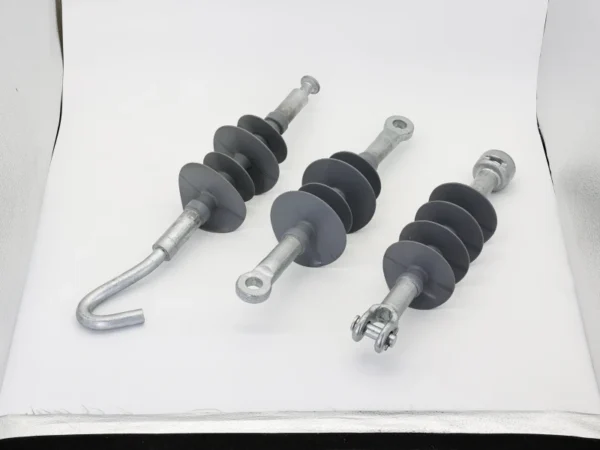
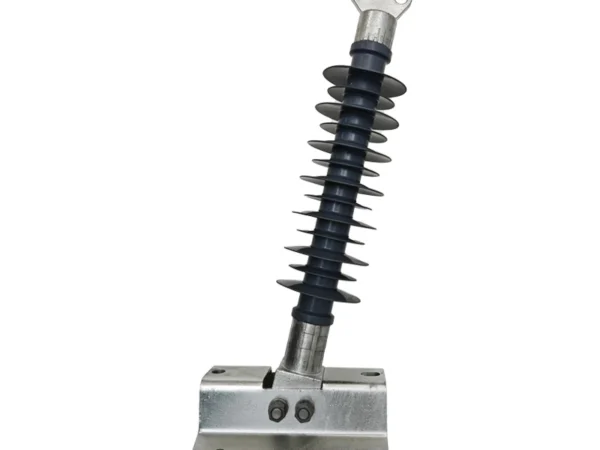
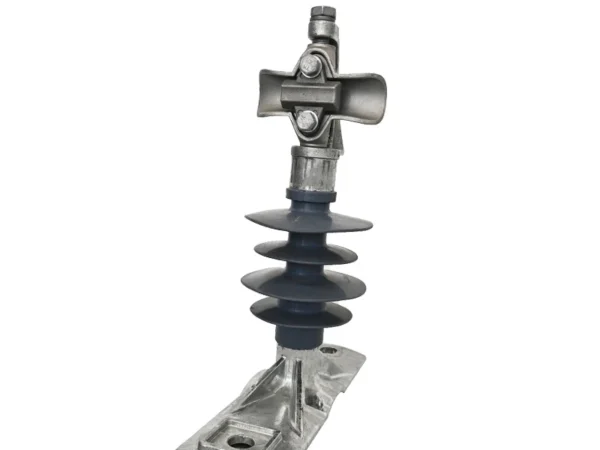
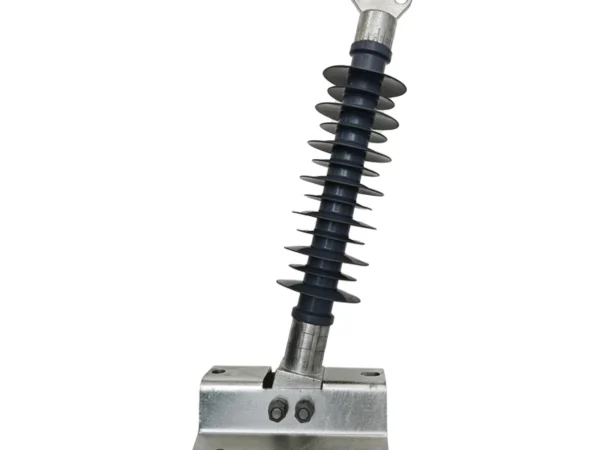
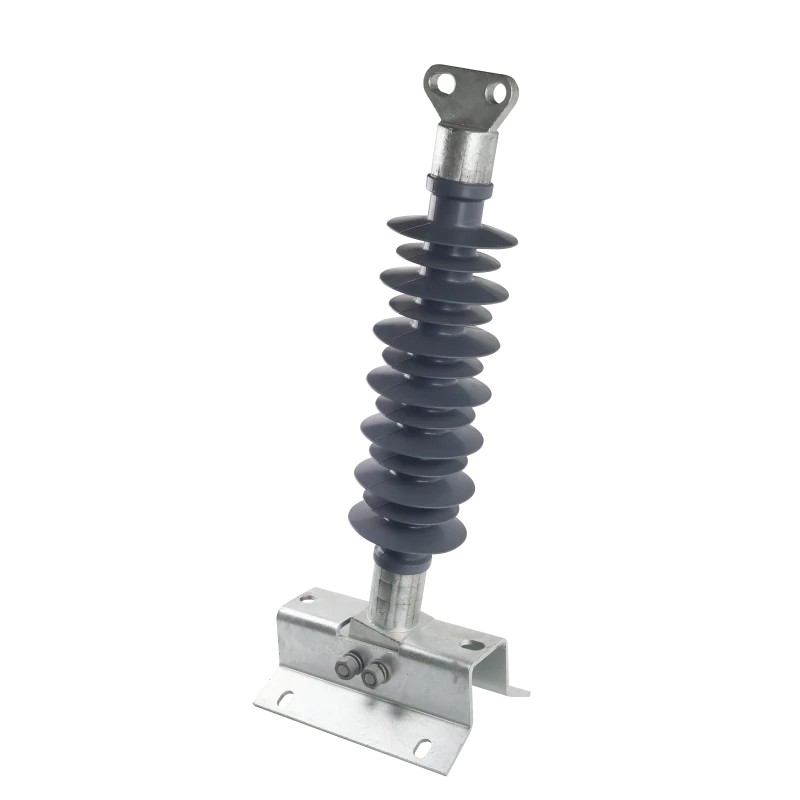
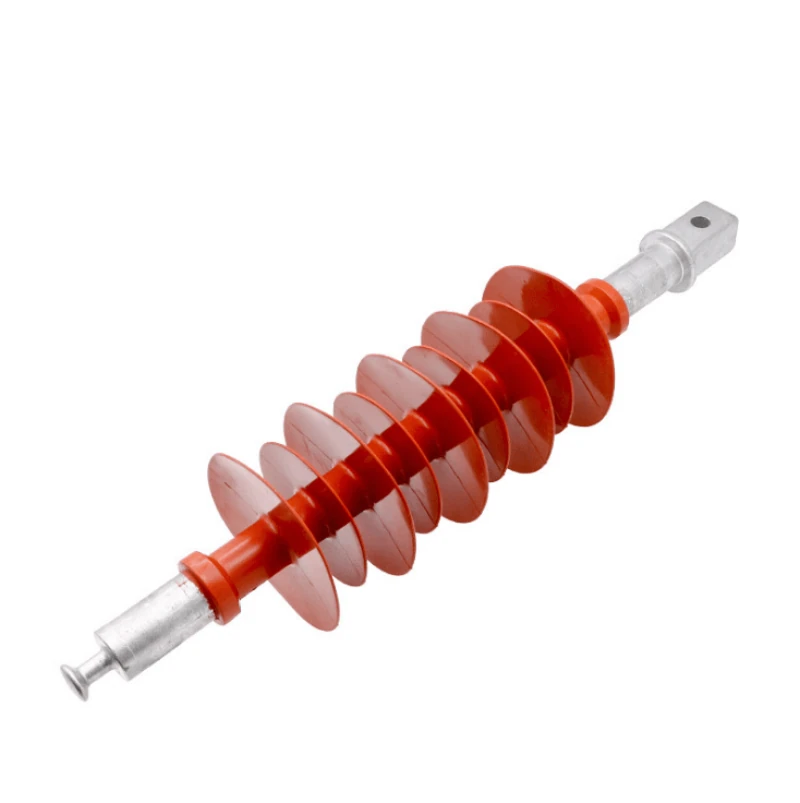
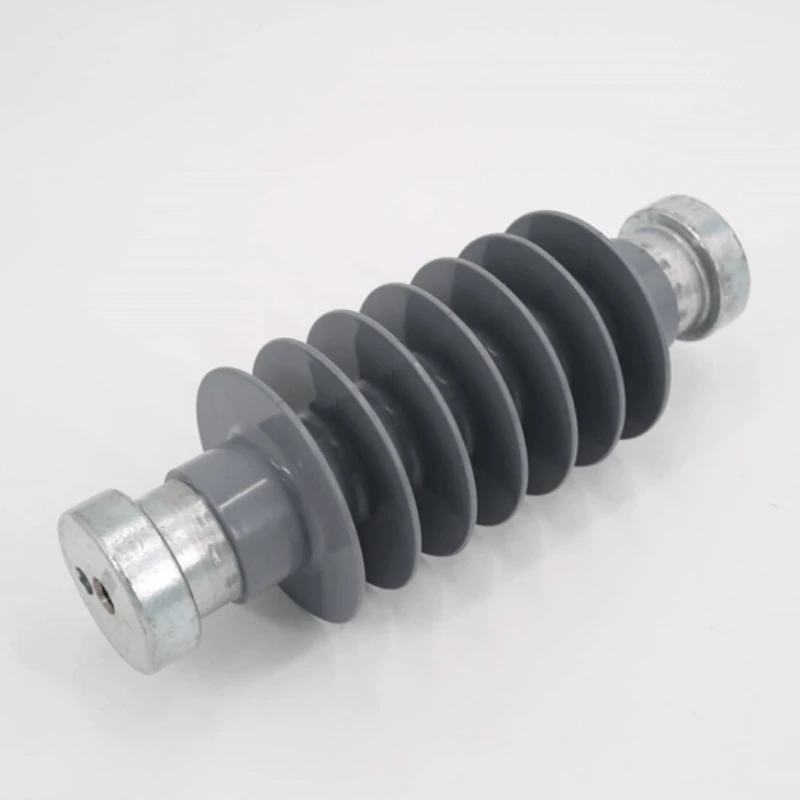
Based on structure, installation method and use cases, composite insulators fall into three mainstream types: suspension composite insulators, pin composite insulators and post composite insulators. They fully cover insulation demands for distribution lines, transmission lines and substation equipment with perfect matching.
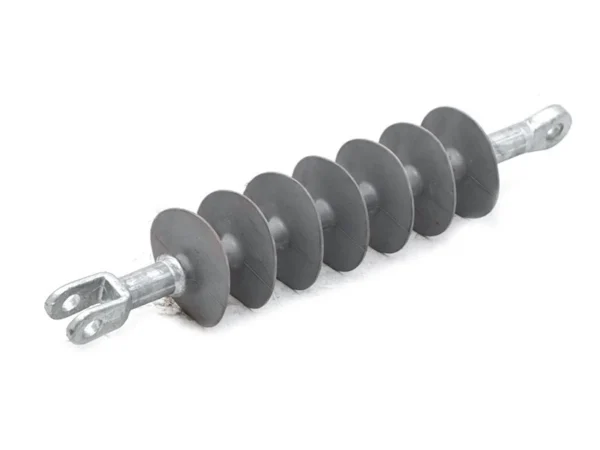
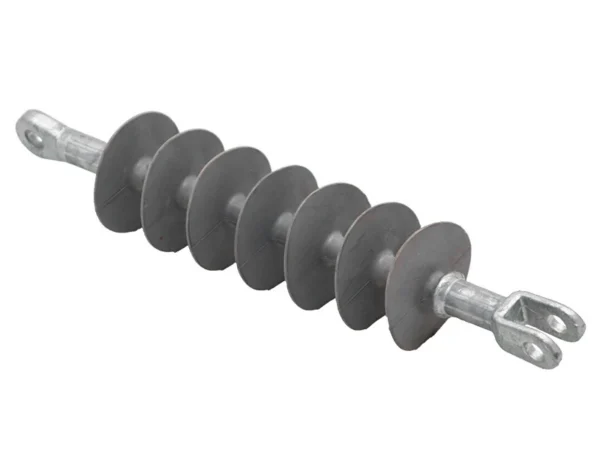
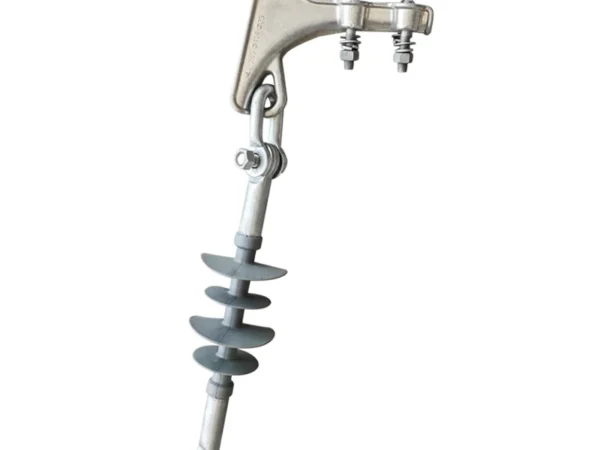
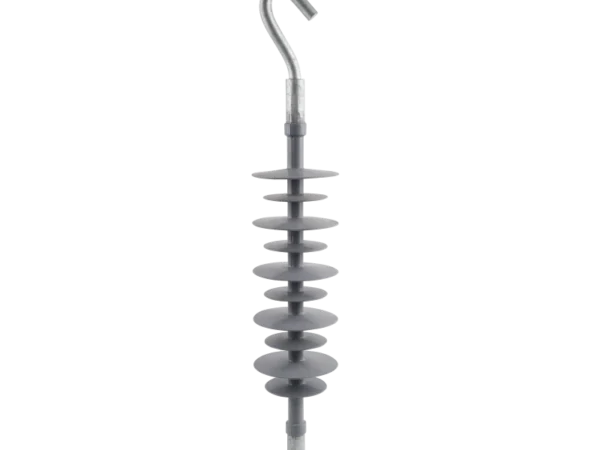
Suspension composite insulators (short name composite suspension strings): They mainly fit high-voltage and extra-high-voltage AC and DC transmission lines. They own strong tensile strength, flexible anti-shock and anti-vibration structure, anti-break ability and great anti-pollution flashover performance. They only weigh one third of ceramic insulators and reduce tower load. Workers install and check them safely at high heights. Engineers use them for suspension and tension fixing on power lines. They fit complex transmission sites such as coastal zones, industrial pollution areas and extreme temperature regions, and act as core insulation parts for high-voltage power grids.
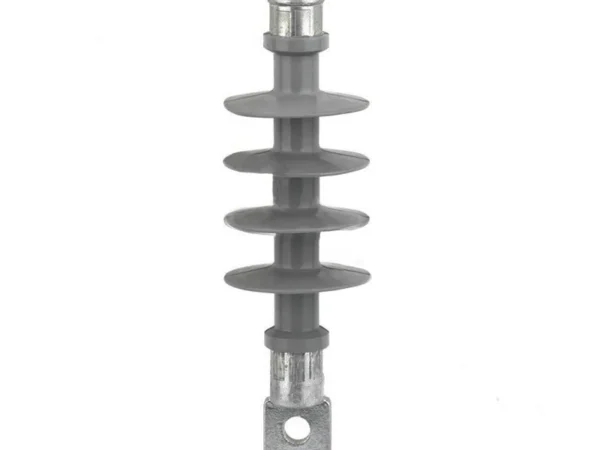
Pin composite insulators: People mostly use them on medium and low voltage distribution lines. Their compact structure allows easy installation, strong bending resistance and water-repellent anti-pollution features. Workers carry and set them by hand without heavy machines and fix them on line towers. They fit city power grids, rural power networks and old line renovation projects. They stop sudden surface discharge and need very little maintenance. Dust hardly sticks to their surfaces, so they work well in clean or lightly polluted distribution areas.
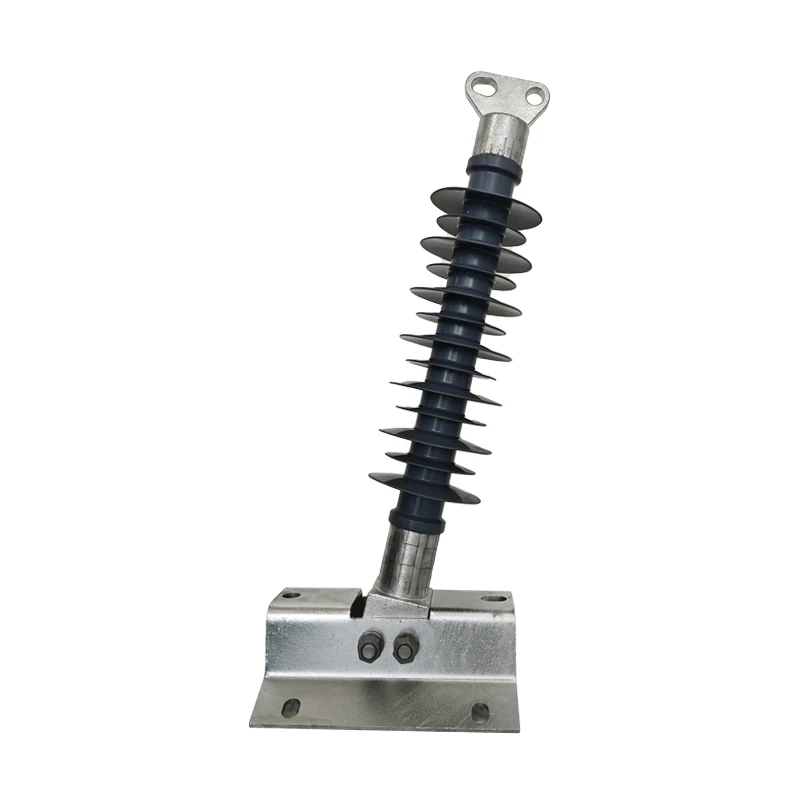
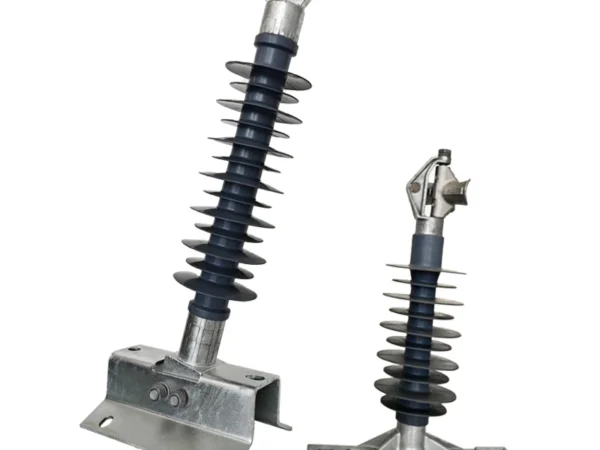
Post composite insulators: They supply insulation and mechanical fixing for busbars and electric equipment in power plants and substations. They also form parts of disconnecting switches and circuit breakers. People split them into two subgroups by structure: pin post insulators fit low-voltage distribution and communication lines; rod post insulators mostly work inside high-voltage substations.
3.4 Three Core Factors for Insulator Selection
Workers balance field environment demands and product performance before picking insulators. Three key standards control selection work:
Load-bearing requirement: Insulators separate wires from towers and support weight of wires and all fittings. They must hold reliable insulation and enough load capacity. Teams choose composite insulators first if the project limits total weight strictly. People pick ceramic or glass insulators for common sites with loose weight limits.
Rated voltage: Each insulator type and model matches a fixed rated voltage. Engineers strictly select insulators by actual line voltage level to guarantee full electric safety. Workers choose rated voltage according to use case, voltage grade and pollution level. Real projects also count insulator string quantity and creepage distance to meet insulation standards.
Environmental conditions: Power lines sit fully exposed to natural weather. Insulators must adapt to high heat, freezing cold, wetness, dryness and pollution. Bad weather may age or crack insulator surfaces. Teams fully evaluate environmental adaptability to keep insulators stable outdoors.
In short, insulator selection balances mechanical performance, electric performance, environment matching and operation cost. The power industry keeps upgrading and raises market demand for multi-functional, high-stability insulators. This trend pushes continuous technical updates and mass production of composite insulators.
4. Composite Insulator Structure, Working Principle & Core Advantages
4.1 Structure and Components
Composite insulators adopt multi-material combined design. They deliver both outstanding insulation and strong mechanical strength, different from single-material glass or ceramic insulators. Three core parts make up the whole product:
Core rod: Manufacturers produce core rods with epoxy fiberglass. Their tensile strength reaches 1.5–2 times common steel and 3–5 times high-strength porcelain. Core rods also own reliable insulation, vibration absorption, creep resistance and anti-fatigue break performance. They supply all mechanical support and keep the full insulator complete and stable.
Silicone rubber housing: This layer fully wraps the outer core rod. Silicone rubber carries strong insulation and anti-electric-corrosion ability. It blocks moisture, UV rays and dust pollution to protect inner core rods. Factories use high-temperature vulcanized silicone rubber and injection-mold it tightly around core rods. Its unique water-repellent and water-transfer features stop continuous water films from forming in rain and greatly cut pollution flashover risks. Streamlined shed shapes reduce dust buildup effectively.
End fittings: These metal or composite parts install on two insulator ends. They connect power equipment and support frames, bear all mechanical loads and hold tight reliable joints. Fittings link core rods to wires or towers. Factories make them with high-quality carbon steel or alloy steel. Modern composite insulators use crimp technology for firm connection. Metal molds squeeze fittings and core rods radially to form tight mechanical lock. This design avoids loose joints from old wedge assembly craft.
Three parts cooperate closely to build stable composite insulators. They resist extreme weather, pollutant erosion and all electric stress for decades.
4.2 Working Principle
Composite insulators finish two central tasks: electric insulation and mechanical support. Their detailed working rules are below:
Electric insulation: Insulators have higher breakdown voltage than flashover voltage to avoid breakdown during operation. Factories run spark tests on breakable ceramic insulators before delivery. Testers apply high voltage to create continuous surface sparks for a fixed time and check breakdown risks. Some insulators also pass corona tests, radio interference tests, partial discharge tests and dielectric loss tests. Thin air lowers electric strength in high-altitude areas, so testers lift withstand voltage values to match standard air pressure. Wet dirty insulators flash over at much lower voltage than clean dry ones. Engineers add thicker insulation or use anti-pollution insulators in heavy pollution zones. These products carry larger specific creepage distance (creepage distance divided by rated voltage) than standard types. DC insulators face uneven electric field, pollutant absorption and electrolysis effects, so they flash over more easily. They need special structure design and longer creepage distance.
Mechanical support: Running insulators bear wire weight and tension, wind force, ice weight, self-weight, wire vibration, machine operation force, short-circuit electric force, earthquakes and other mechanical loads. Industry standards set strict rules for all mechanical performance indexes.
Anti-environment erosion: Outdoor insulators resist fast temperature changes. For example, ceramic insulators cannot crack after repeated hot-cold cycles. Current passes through insulating bushings, so all parts and insulation layers must control temperature rise and follow rules for short-time current limits.
4.3 Core Product Advantages
Composite insulators carry obvious overall strengths and fit more working sites than traditional ceramic insulators:
Excellent mechanical performance: Epoxy fiberglass core rods stretch 1.5 times stronger than ordinary steel and 3–4 times stronger than high-strength porcelain. They bear huge axial pull force, absorb vibration well and cut earthquake shock 7–10 times better than ceramic insulators.
Strong anti-pollution flashover for insulator strings: Silicone rubber sheds repel water. Rain drops roll off as small beads without forming conductive water films. Their pollution flashover voltage hits three times that of ceramic insulators with the same voltage grade.
Great anti-tracking performance: Standard products need tracking resistance level no lower than Grade 4.5 (4.5kV). Composite insulators reach Grade 6–7. They avoid permanent surface carbon tracking caused by leakage flashover.
Reliable anti-aging performance: Ten years of field tests prove composite insulators only turn slightly darker. Their dielectric constant and dielectric loss angle rise a tiny bit, but water repellency and anti-tracking ability stay unchanged. This result confirms strong anti-aging quality.
Stable overall structure: Traditional hanging ceramic insulators use inner glue assembly. Electrochemical corrosion creates low-resistance zero-value insulators during running. Composite insulators adopt outer glue assembly with solid core rods. They never degrade or break down and avoid zero-value insulator faults.
Higher line operation efficiency: Self-clean silicone rubber sheds and zero-value-free design extend inspection and cleaning cycles to every 4–5 years. This cuts maintenance and power-cut time largely.
Lightweight body: Their light weight eases transport and installation and reduces physical tiredness for all field workers.
4.4 Core Application Fields
Composite insulators see wide use in power transmission and distribution industries. Key covered fields include:
High-voltage transmission lines: Engineers apply composite insulators on all lines of 110kV and above, especially heavy-pollution, high-altitude and coastal salt mist zones.
Substations: They supply structural support and electric insulation for circuit breakers, transformers and switches inside substations. They replace ceramic post insulators for busbar supports, equipment bushings and disconnecting switch posts.
Electrified railways: Composite insulators work for overhead contact wire systems. They insulate, hold and separate train power lines and meet strict mechanical and insulation demands for high-speed trains.
New energy power generation: Solar panels and wind turbine generators use composite insulators for support and reliable insulation. Wind and solar power stations set them up in remote wild areas and satisfy insulation demands for new energy equipment.
Industrial factories: Composite insulators deliver steady insulation for all industrial electric machines inside large plants and guarantee safe, reliable factory power grids.
Urban distribution power grids: City power spaces stay limited, so compact composite insulators become the first choice to save land occupation.
In conclusion, composite insulators mark a major technical breakthrough in power insulation. Their unique multi-layer structure, stable working logic and full-round performance advantages make them top-choice core products for power transmission and distribution. They continuously supply solid support for safe, stable and efficient global power transmission.
Final Summary
Composite insulators represent a major technical upgrade in power transmission and distribution. They combine core strengths of multiple materials, balance structural strength and operation efficiency, and fully solve all common pain points of traditional insulators.
Workers follow a three-step logic for composite insulator selection: meet performance standards → match real working scenes → fit proper materials. First, check electric, mechanical and environmental indexes to clear basic grid access thresholds. Second, adjust detailed parameters based on site weather and operation demands. Last, compare material features for precise matching.
Buyers also verify manufacturer qualification and test reports, and pick products with GB/T19519 certification first. Teams balance early purchase cost and full life-cycle expense to reach both safety and economic targets.