

Description
1. Product Overview
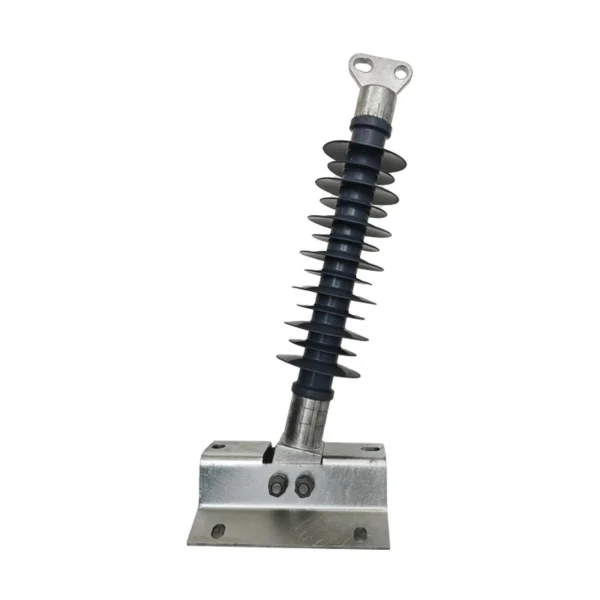
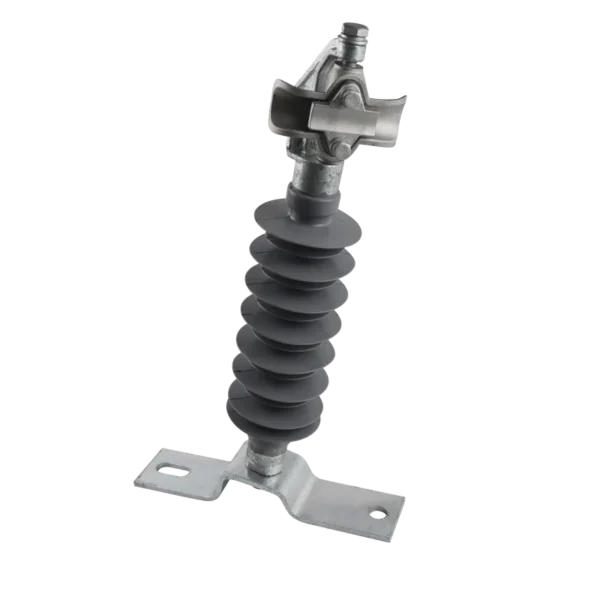
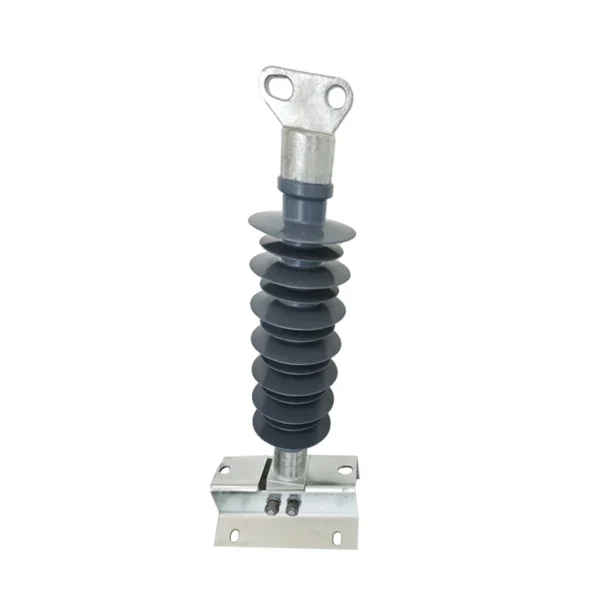
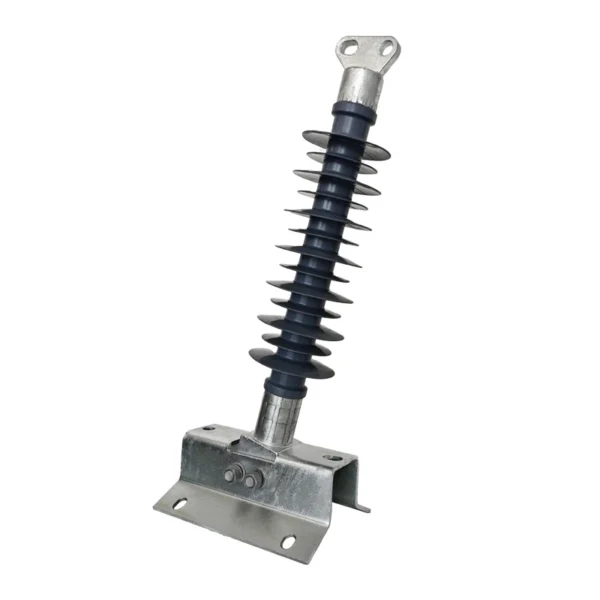
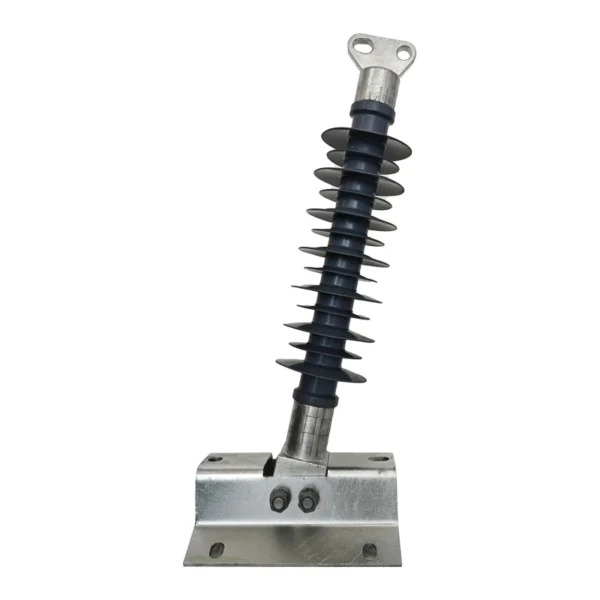
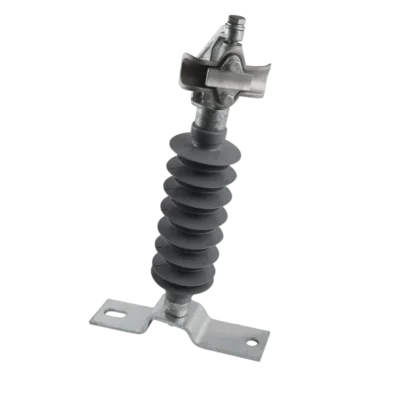
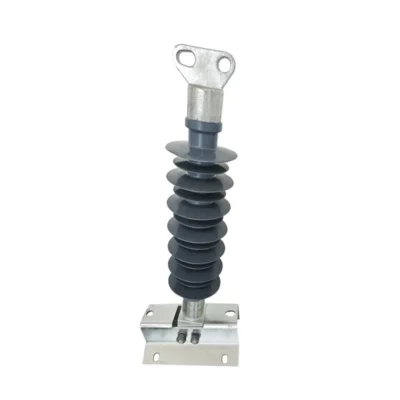
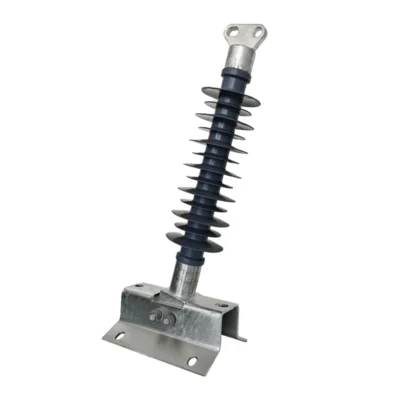
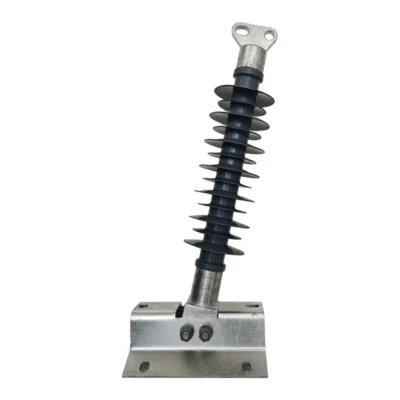
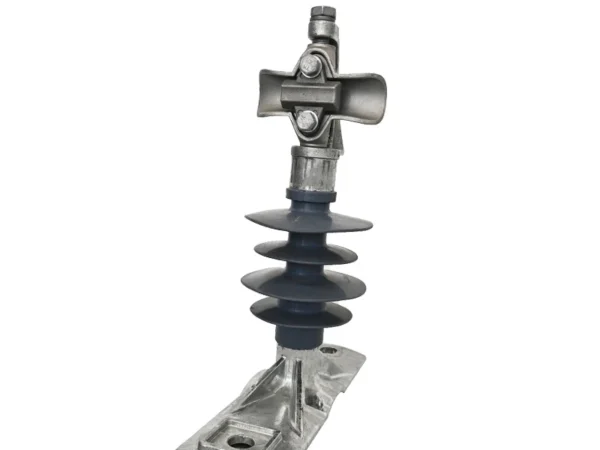
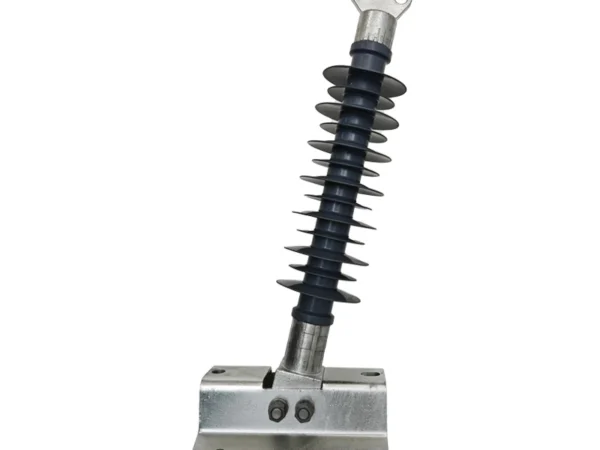
We use them on overhead high-voltage power lines, unlike old porcelain and glass insulators. They separate power wires from metal towers both mechanically and electrically. They keep power supply safe and stable.
They have strong bending strength. They will not break one after another like porcelain cross arms, so porcelain cross arms cannot replace them.
They are small and light. They resist shaking and hard hits. Workers never need to clean them by hand. All these points support safe power operation.
2. Product Structure
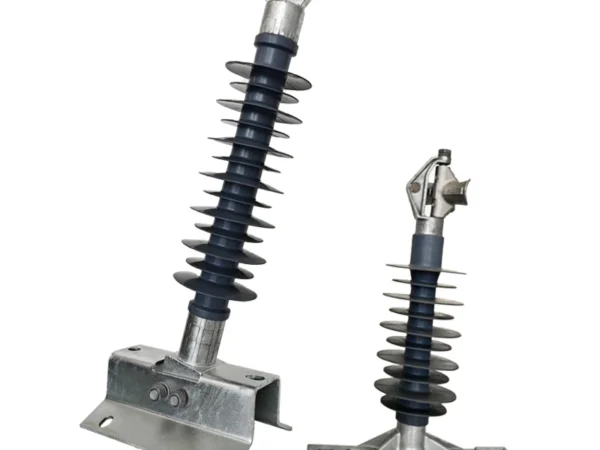
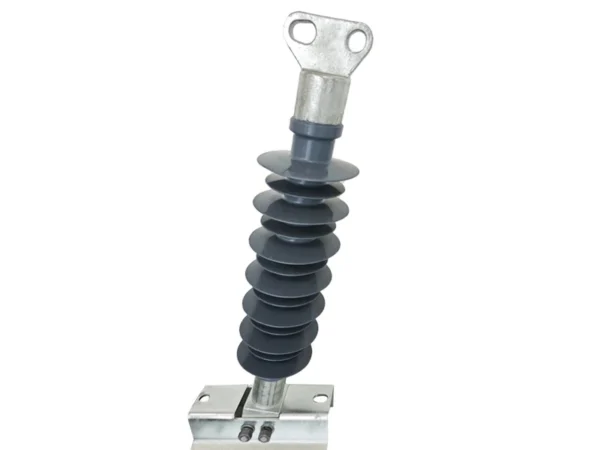
It is small, light, strong against pulling, and resists dirt well. Buyers can pick two kinds of inner core rods: glass fiber rods or porcelain rods.
This product mixes all good points of traditional porcelain post insulators and common composite insulators. It has high strength, small bending shift, and strong anti-aging ability. It sells well in markets and becomes one vital insulating support tool for future power transmission projects.
3. Core Product Advantages
3.1 Big weight-lowering advantage
It only weighs 1/6 to 1/10 of porcelain or glass insulators with the same voltage level. Its light weight greatly eases workers’ tiredness during transport and installation.
3.2 Stable structure
Our lightweight composite post insulator uses outer glue assembly. Its solid inner rod fully blocks insulation damage and electric breakdown. It never becomes a zero-value insulator.
3.3 Great mechanical performance
3.4 Strong resistance to pollution flashover
3.5 Low cost for transport and upkeep
It has small weak points in anti-aging ability and material cost. But its light weight, high strength and no-clean feature make it an essential tool for modern power grids.
4. Meanings of Main Product Parameters
4.1 Creepage distance
4.2 Flashover
4.3 Pollution flashover
For solid insulating materials of the same length, breakdown voltage is much higher than flashover voltage. The same rule applies to insulators.
5. Product Functions
- They stop electric breakdown or surface flashover under standard working voltage, lightning surge voltage and inner surge voltage.
- They stay intact under long-term and short-term mechanical loads.
- They show no clear performance drop after long work under fixed electric, mechanical loads and different weather.
- Their metal fittings avoid obvious corona discharge under working voltage. Corona discharge disturbs radio and TV signals.
Different model types and working environments require full tests: electric tests, mechanical tests, physical tests and environment change tests. These tests check every insulator’s performance and quality.
6. Daily Management & Maintenance
-
Weak points of traditional porcelain insulators
Porcelain insulators cost much to maintain, and workers must clean them often. Wet dirt easily causes flashover discharge on rainy days. Workers have to wipe them clean to recover insulation power.
Workers clean them once a year in normal areas, twice a year in heavy-dirt zones (one cleaning before fog seasons).
-
Maintenance strengths of lightweight composite insulators
This insulator owns clear technical edges. Its glass fiber epoxy core rod carries great mechanical strength. Its full outer silicone rubber cover strongly stops pollution flashover. It runs safely without hand cleaning in heavily polluted zones.
The silicone rubber surface pushes water away and spreads this water-repellent feature slowly. Power teams skip regular outer cleaning work and cut total maintenance work.
7. Suitable Application Scenarios
They solve installation and maintenance troubles especially for offshore wind power, coastal power stations, mountain power lines and cities with heavy industrial dirt.
Detailed Application Scenario Matching Table
| Scenario Category | Specific Application Scenario | Matched Core Product Advantages |
|---|---|---|
| Urban Power Grid Upgrade | Urban overhead high-voltage power lines, narrow power corridor reconstruction projects | Lightweight compact design, fits narrow spaces, reduces tower height, cuts construction labor and material costs |
| Mountain & Hilly Power Lines | Power transmission lines in mountainous areas, steep slope and remote terrain projects | Ultra-light weight, easy transport and manual installation, high mechanical strength, excellent anti-seismic and impact resistance |
| Offshore & Coastal Power Projects | Offshore wind power transmission lines, coastal onshore power stations, high salt mist coastal areas | Outstanding anti-pollution flashover performance, corrosion resistance, no need for regular manual cleaning |
| Heavy Pollution Industrial Zones | Power lines near industrial factories, dust/chemical pollution heavy industrial parks | Superb water-repellent feature, 3x higher pollution flashover voltage than porcelain insulators, maintenance-free without surface cleaning |
| Substation & Distribution Equipment | Busbar insulation support in substations, high-voltage switchgear and power distribution device support | Compact structure, high mechanical stability, excellent long-term electrical insulation performance, no zero-value insulator risk |
| New Energy Power Generation | Onshore/offshore wind farms, solar photovoltaic power station transmission lines | Lightweight for quick installation, stable long-term operation, low total maintenance cost, adapts to complex outdoor environments |
Note: All terms in the table keep consistent with the previous full text, and use simple words that junior high students can easily understand.
8. Executive Standard & IEC 61109 Certificate
9. Product Summary
For mountain projects, coastal power lines, heavy-dirt zones and wind power stations, lightweight composite post insulators cut total operation and maintenance costs. They become the top insulation choice for new power systems.
Reviews
There are no reviews yet.