Description
1. Product Overview
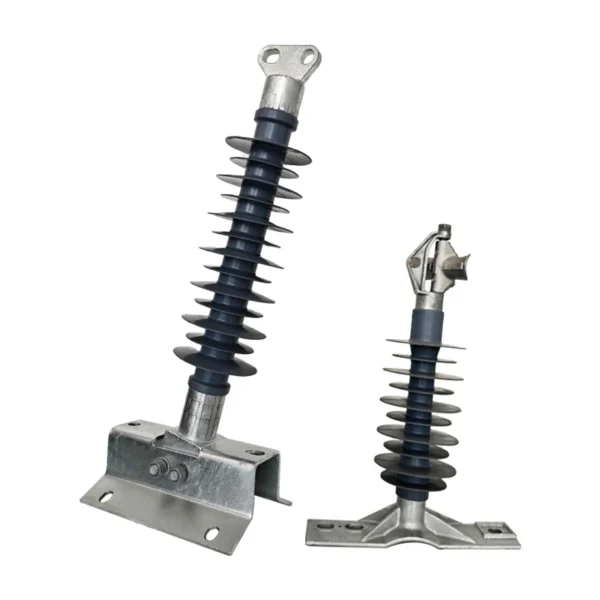
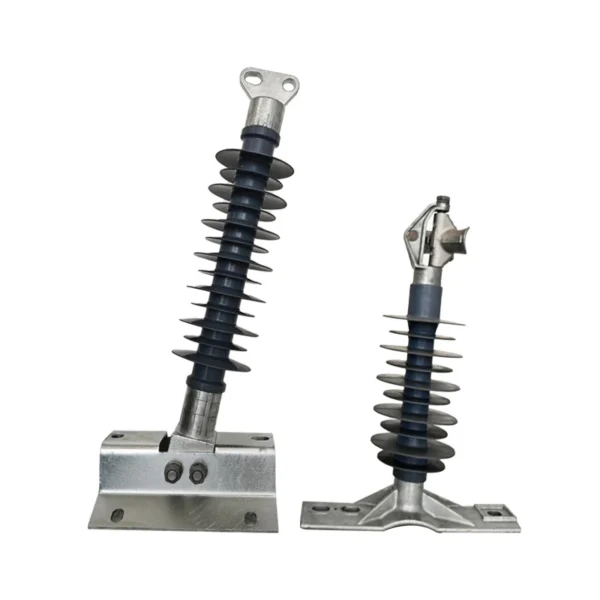
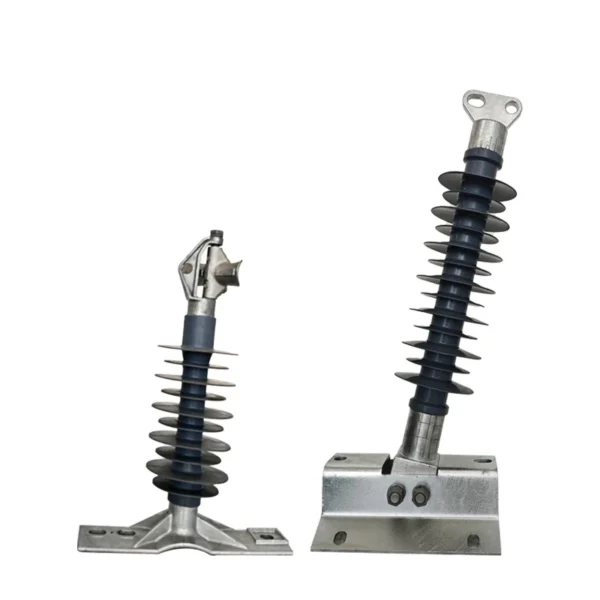
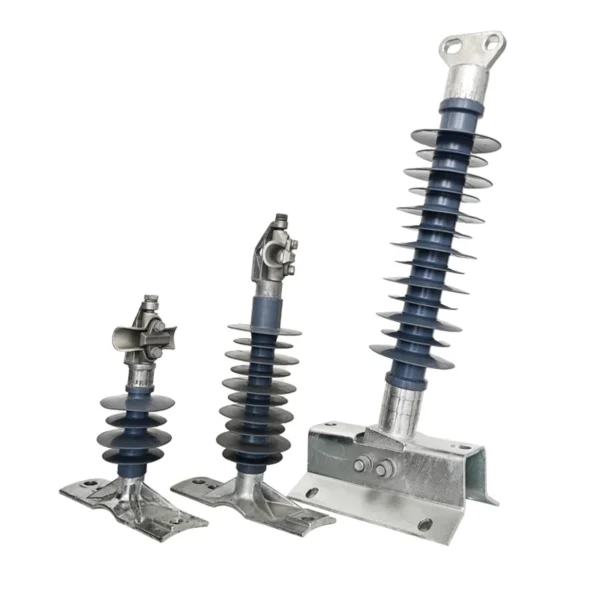
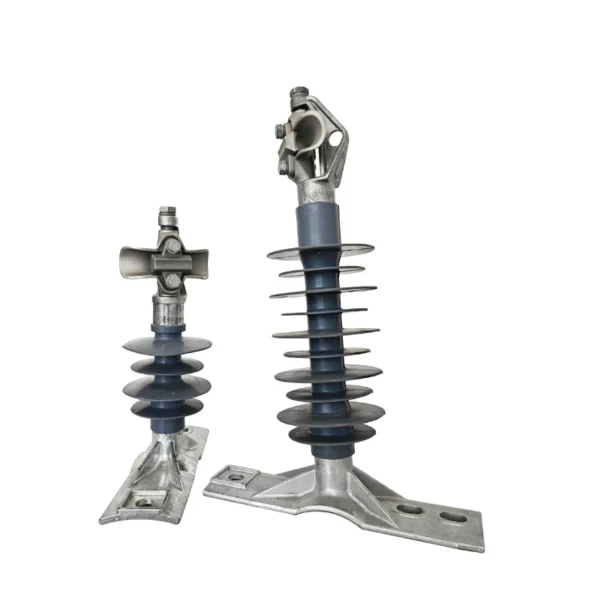
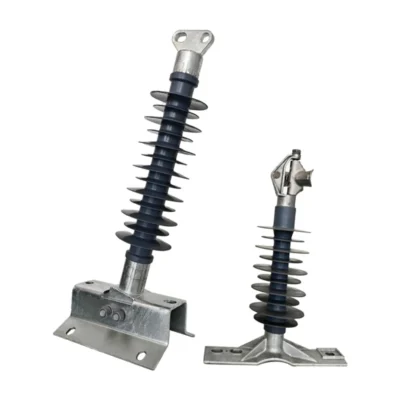
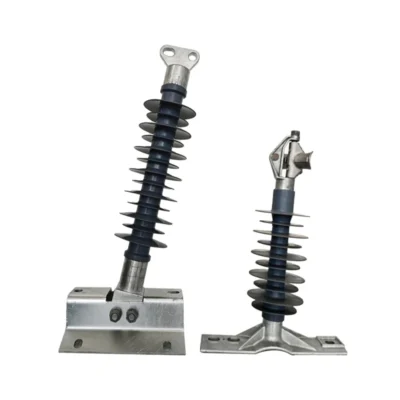
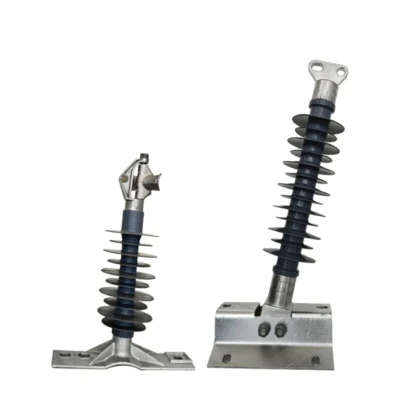
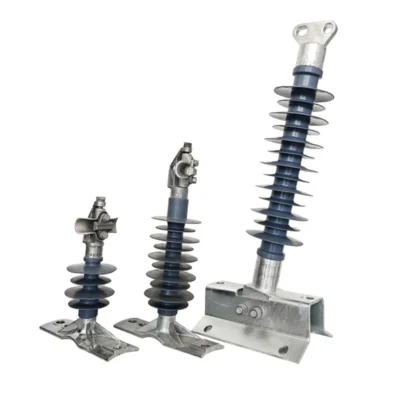
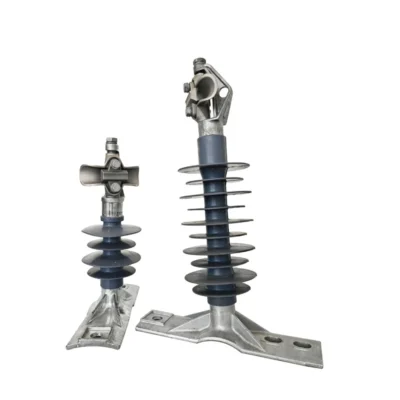
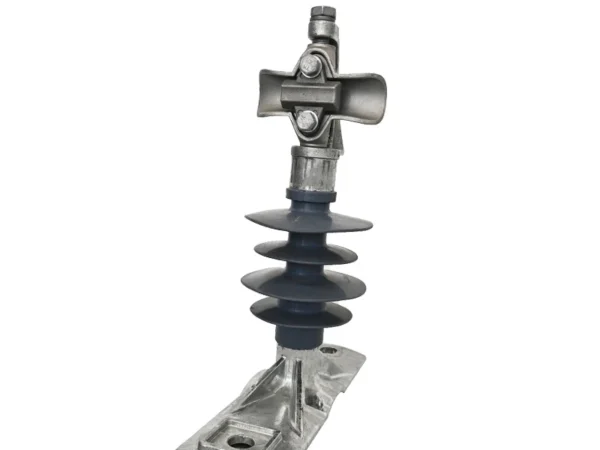
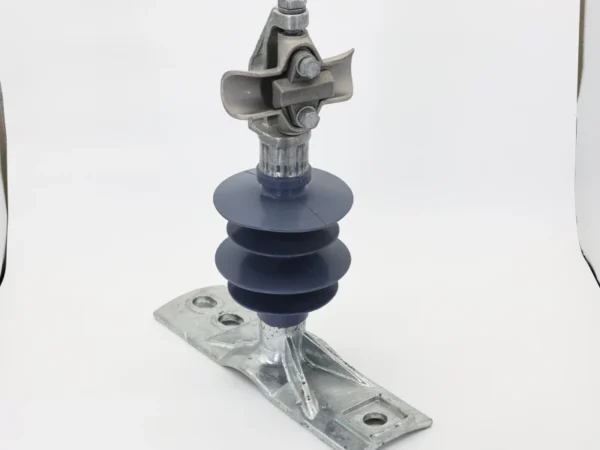
This 220 kV station post composite insulator works as the key supporting insulation part inside 220 kV power stations. It mainly holds primary power equipment and insulates them from the ground. The equipment includes busbars, disconnecting switches, instrument transformers and reactors.
We make this product in one piece. We inject high-temperature vulcanized silicone rubber around a high-strength epoxy fiberglass core rod. We also use thicker seismic-reinforced flanges. It has two top strong performances. First, the whole unit passes Grade 8 earthquake simulation tests. Second, it stands strong short-circuit current for a short time.
We fix many weak points of old porcelain post insulators. Old porcelain ones break easily in earthquakes, crack under short-circuit electric arcs, weigh too much and often get contamination flashovers. Our new insulator only weighs 1/6 to 1/10 of porcelain insulators with the same size. It bends well, resists heavy hits and fully improves arc resistance.
It fits many tough places: high-altitude areas, coastal cities with salt fog, heavily polluted industrial zones and earthquake-prone lands. It greatly cuts costs for civil engineering, lifting, transport and maintenance. It is the top insulation choice for power stations built to stand Grade 8 earthquakes, main hub power stations and new energy step-up stations.
2. Special Structural Design: Grade 8 Earthquake Resistance & Short-Circuit Current Resistance
2.1 Integrated Reinforced Structure for Grade 8 Earthquake Resistance
High-modulus solid fiberglass core rod
The core rod acts as inner insulation and keeps the mechanical strength we design. We make it with fiberglass reinforced resin. It fights acid corrosion well. It bears long-time mechanical and electric loads in wide temperature ranges. We use high-temperature resistant core rods for injection molding. The rods follow the DL/T864 standard.
We apply strict quality rules on the rod’s vertical and horizontal dielectric strength, glass fiber content and water absorption. Its dye penetration test and water diffusion test meet GB/T19519-2004 fully. We pick high-elasticity epoxy fiberglass pull rods with strong bending ability. They are much tougher than porcelain. They never break brittlely under horizontal and vertical earthquake forces. They absorb earthquake shock energy and lower the chance of equipment falling over.
Thickened stiffened seismic flange crimp structure
We add circular stiffening ribs on top and bottom metal fittings. We use one precise crimp process to remove stress concentration at the flange and core rod joint. We make flanges 30% thicker and match high-strength seismic bolts. Under repeated shaking of 0.2g acceleration (Grade 8 earthquake), the unit never loosens, cracks or separates from the core rod.
Soft sealed buffer connecting structure
We set elastic anti-leakage buffer sheds at the joint of rubber cover and metal fittings. They offset the surface contact gap between the cover and metal parts during earthquake shaking. They stop the rubber cover from peeling off after long repeated vibration and keep water vapor out of the inner insulation.
Lightweight low-center design
The whole product weighs far less — only 1/6 to 1/9 of same-voltage porcelain insulators. Its light body makes transport and installation easy. It also reduces side bending force that top equipment passes to insulators during earthquakes. It fits high-center equipment like reactors and busbars. It meets three earthquake protection rules for power machines: no damage in small quakes, easy repair after medium quakes.
2.2 Arc-Resistant Insulation System for Short-Circuit Current
Tracking-resistant modified silicone rubber cover
We use hydrophobic silicone rubber that resists electric corrosion. It survives power-frequency arc burning during system short-circuit faults. After short-time large-current arc hits, its surface never turns to powder, cracks or falls off. Its insulation power recovers fast.
Full-area electric field balancing shape
We put built-in composite balance buffer layers inside. When short-circuit large current hits instantly, these layers spread surface electric force evenly. They stop local arcs from burning sheds and prevent single-point breakdown of insulation.
Thickened large-angle sheds for arc protection
We thicken and widen shed edges. They lengthen the arc creep path and limit the burning area of short-circuit arcs. Big and small sheds arrange alternately to spread arc energy and stop shed holes or breaks.
One-piece seamless seal to block inner breakdown
We inject silicone rubber onto the core rod in one whole step. No middle layers or air gaps exist. When high-temperature arcs appear in short-circuit faults, water and dust cannot enter the core rod. We fully avoid inner insulation breakdown accidents.
Based on GB 50011 & GB 50260 power industry standards
| Seismic Fortification Intensity |
Design Basic Seismic Acceleration |
Industrial English Marking |
Engineering Application Description |
| ≤ Intensity 5 |
<0.05g |
Seismic Grade ≤5 / Non-seismic Zone |
No special seismic design required. Ordinary low-voltage porcelain insulators work well; seismic composite post insulators are unnecessary. |
| Intensity 6 |
0.05g |
Seismic Grade 6 |
Low seismic hazard areas, small conventional 10–110kV distribution substations |
| Intensity 7 (0.10g) |
0.10g |
Seismic Grade 7 |
Standard seismic defense for common cities and medium & small substations |
| Intensity 7 (0.15g) |
0.15g |
Seismic Grade 7 High |
Mountainous areas and near-fault zones with high Intensity 7 seismic risk |
| Intensity 8 (0.20g) |
0.20g |
Seismic Grade 8 |
Standard fit for 220kV hub substations and new energy step-up stations in mainstream Intensity 8 seismic zones |
| Intensity 8 (0.30g) |
0.30g |
Seismic Grade 8 High |
High-risk Intensity 8 seismic belts; customized reinforced insulators are required |
| Intensity 9 |
0.40g |
Seismic Grade 9 |
Extremely high seismic hazard zones; all equipment needs customized thickened seismic-resistant structures |
3. Core Advantages: Grade 8 Earthquake Resistance & Short-Circuit Current Resistance
3.1 Key Benefits of Grade 8 Earthquake Resistance
Earthquake damage records show old insulators break easily in quakes. Broken equipment roots and moving parts often shut down power stations or cut electricity supply. To keep ultra-high voltage stations running stably, engineers must study earthquake resistance of post equipment and their connected systems. Composite station insulators survive Grade 8 earthquakes. Their bending strength hits 80–120 MPa, much higher than porcelain’s 50 MPa.
No risk of brittle fracture, high safety space in quakes
Porcelain posts often snap fully during earthquakes. Broken pieces make busbars and reactors fall down and cause ground short-circuits. Our tough fiberglass core rods stay intact after repeated Grade 8 quake shaking. They stop power blackouts caused by post-quake secondary accidents at the source.
Matches high-center equipment, cuts civil anti-quake costs
Lightweight design lowers load on support frames and foundations. Builders do not need extra thick concrete structures. It works well with multi-layer reactors and high bus supports. Workers do not install complex shock absorbers, so station building costs drop.
Stable flange connections, no loose parts after long vibration
It fits working conditions with 24-hour low-frequency reactor vibration plus earthquake shocks. Crimped flanges resist fatigue well. After years of running, metal fittings never loosen and joint surfaces never crack.
Fits all Grade 8 seismic zones, matches old station upgrades
Flange mounting sizes match traditional porcelain posts exactly. Workers directly replace old insulators when expanding or rebuilding power stations in earthquake belts. No changes to support frames or foundation sizes are needed.
3.2 Key Benefits of Short-Circuit Current Resistance
Survives short-time large-current arcs and works after faults
Standard models stand 20 kA / 3 s short-circuit current. We make reinforced versions of 25–31.5 kA for large-capacity hub power stations. After arc burning from short-circuit trips, the insulator has no broken pieces or damaged insulation. Power restarts after simple checks. No broken porcelain falls to create second short-circuits.
Reduces arc burning and extends insulation service life
Electric balance structures spread arc energy and cut local high-temperature carbonization on sheds. They bear twice as many short-circuit faults as ordinary composite insulators. Power teams replace them far less often after accidents.
Double inner & outer insulation stops full breakdown
Two insulation barriers protect the unit: arc-resistant silicone rubber outside and solid fiberglass core rod inside. High heat from short-circuits cannot pass the cover to damage the core, so hidden insulation faults never appear.
Handles both short-circuit protection and contamination flashover mitigation
Hydrophobic silicone rubber solves contamination flashovers at the same time. It keeps stable insulation under mixed harsh conditions: short-circuit faults in heavily dirty areas, heavy fog dew and coastal salt corrosion. Workers do not spray extra anti-pollution paint on it.
4. Typical Application Scenes
| Application Scene |
Detailed Usage & Working Environment |
| 220 kV outdoor standard power stations with Grade 8 seismic standards |
Support bus frames, disconnecting switches, voltage/current transformers and ground reactors; used for new-built, renovated and expanded power grid projects in earthquake-prone provinces and cities |
| Large-capacity new energy collection step-up stations |
Serve parallel reactors and current-limiting reactor sets of wind & PV 220 kV step-up stations; adapt to wild lands with wind sand, huge day-night temperature difference and high short-circuit current |
| Heavily polluted industrial & coastal hub power stations |
Apply to coal-fired power plants, chemical parks and salt-fog coastal substations; cope with heavy dirt, large system short-circuit capacity and Grade 8 seismic requirements at the same time |
| Compact indoor urban power stations |
Match city power distribution rooms with limited land; lightweight design lowers floor bearing load, meets requirements of anti-seismic, short-circuit resistance and compact installation |
| Self-owned power plants, metallurgy & mine substations |
Factory power systems face frequent short-circuit impacts and heavy equipment vibration; strict standards for both earthquake and arc resistance of insulators |
5. Model Selection Guide
5.1 Earthquake Resistance Selection
Standard models all meet Grade 8 earthquake rules (0.2g acceleration)
Each full unit finishes complete earthquake shaking table type tests.
Custom reinforced versions for high-intensity areas
For Grade 9 seismic zones or multi-layer reactors on high supports, we produce strengthened insulators with thicker high-modulus core rods and widened flanges to improve bending and anti-seismic bearing capacity.
Four grades of mechanical bending load
Options: 6 kN, 10 kN, 12.5 kN, 16 kN. Choose higher bending specifications for heavier equipment or taller supports to increase seismic safety margin.
5.2 Short-Circuit Current Withstand Selection
Ordinary urban power stations
Standard configuration: 20 kA / 3 s short-time short-circuit withstand capacity.
Hub stations, power plants & large new energy step-up stations
If system short-circuit current reaches 25–31.5 kA, select customized high-current resistant models with optimized voltage equalizing layers and arc-proof rubber housing.
5.3 Environment Adaptation Selection: Resist heavy pollution levels
Contamination flashovers usually appear earlier than equipment aging in coastal salt fog, industrial pollution and sandstorm areas. Recent UHV DC projects record salt density at 0.05–0.15 mg/cm², and the highest pollution level reaches Class D.
Composite insulators carry natural hydrophobic surfaces. Dry gaps remain between water drops on the surface, which effectively prevent contamination flashovers. Rain forms separate tiny water beads instead of continuous conductive water films on silicone rubber. Even with thick dirt accumulation, the insulator maintains excellent insulation performance. This is the main reason composite insulators are widely used in coastal zones, industrial polluted regions and desert power transmission lines.
5.4 Installation Selection
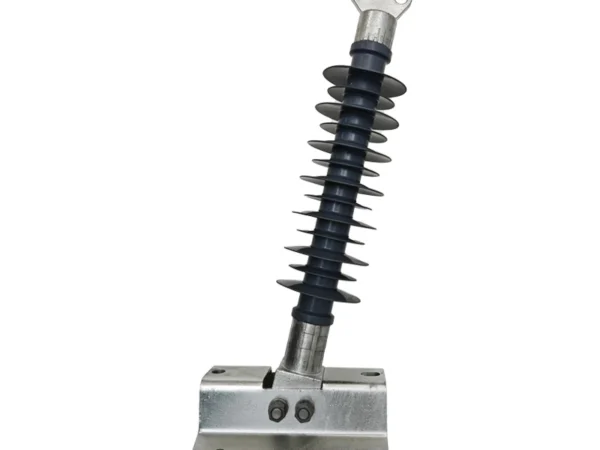
The hole positions of upper and lower flanges and center height are fully interchangeable with porcelain posts of the same voltage grade. Workers can install the product vertically, obliquely or in multi-layer stacking. No modification to original support frames or foundations is required during construction.
6. Applied Standards
6.1 National Standards of China
GB/T 20142 Composite Station Post Insulators for AC Power Stations with Rated Voltage Over 1000 V
GB 50260-2013 Code for Seismic Design of Electrical Installations (judgment basis for Grade 8 earthquake tests)
GB/T 26218 Selection and Dimension Determination of High-Voltage Insulators under Pollution Conditions
GB/T 19519 Test Specification for Composite Insulators of AC Overhead Lines (short-circuit arc and aging tests)
6.2 International Standards
IEC 61952 Composite Station Post Insulators
IEC 61109 General Tests and Arc Withstand Standard for Composite Insulators
6.3 Test Qualifications
Third-party labs with CNAS and CQC certification complete all full type tests for our products. Test items include Grade 8 earthquake shaking table test, artificial pollution test, short-time short-circuit current arc test, hot-cold cycle aging test and mechanical breaking load inspection. We can provide complete official test reports.
7. Product Summary
The most reliable equipment is not always the one with top technical parameters. It must fit the actual site environment perfectly. Market demand for composite insulators keeps rising. All DC power equipment of 220 kV and above needs composite insulators. State Grid attaches great importance to continuous technical upgrading and performance improvement of composite insulators.
This 220 kV
post composite insulator with Grade 8 seismic resistance and short-circuit current resistance targets two extreme working conditions in substations: earthquake impact and system short-circuit faults. Three core technologies solve two fatal hidden dangers of traditional porcelain posts — brittle fracture under earthquakes and burst damage caused by short-circuit arcs. The three core technologies are high-toughness fiberglass core rod seismic structure, thickened reinforced flanges and arc-resistant voltage equalizing silicone rubber.



Reviews
There are no reviews yet.