

Description
1. Product Overview
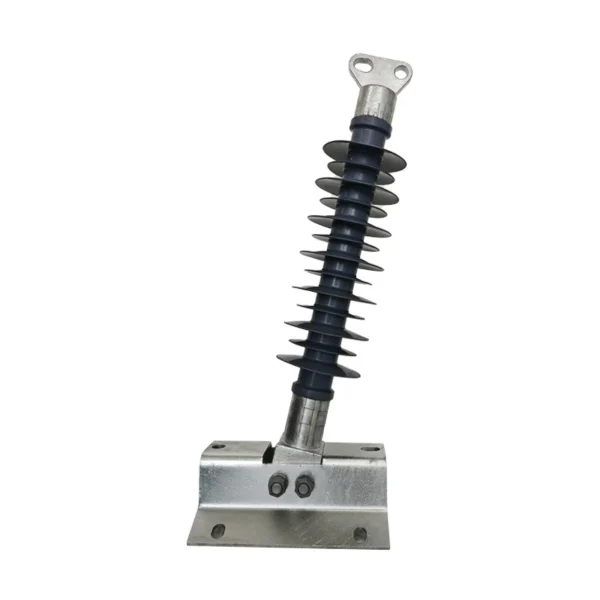
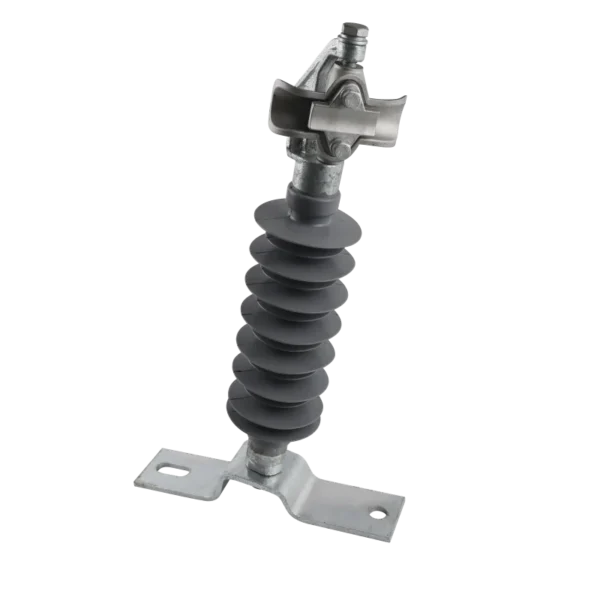
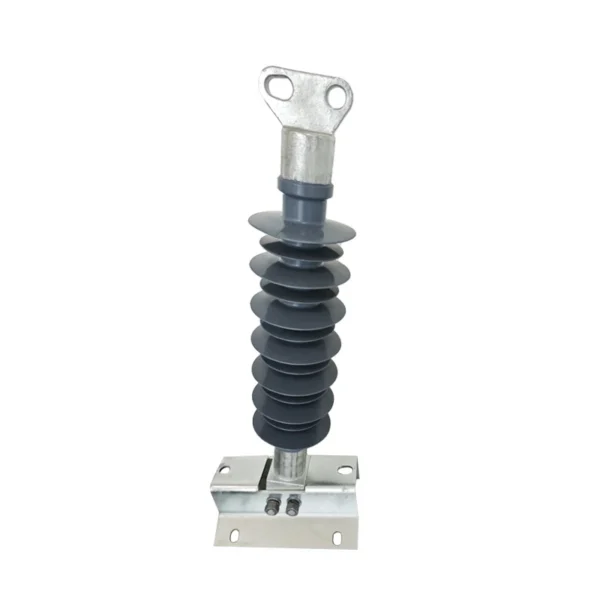
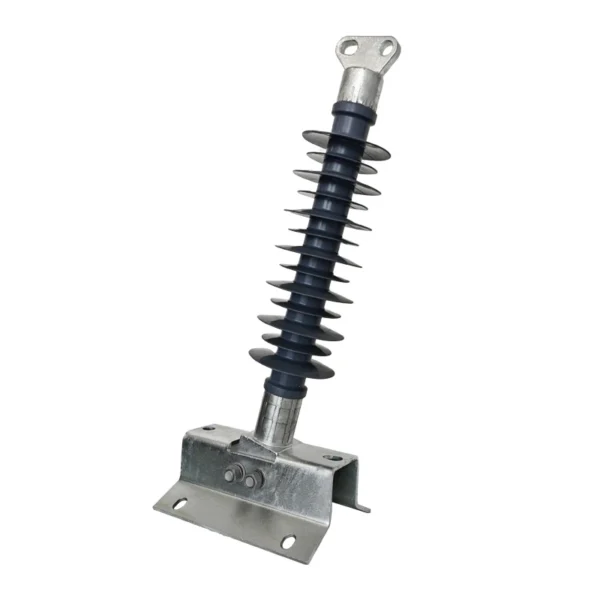
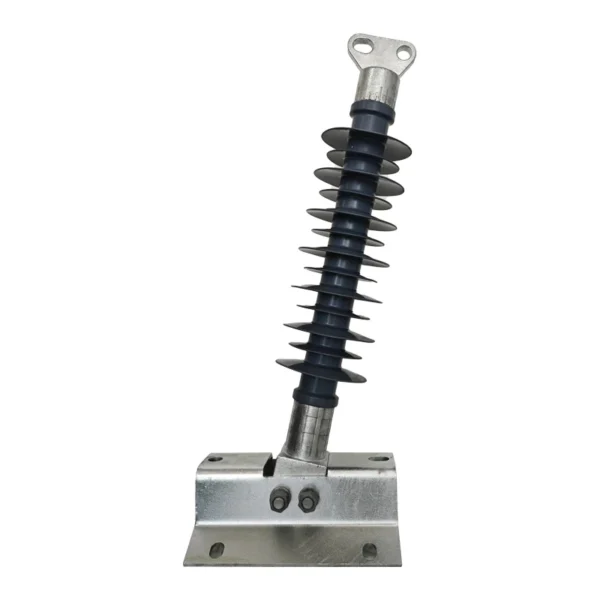
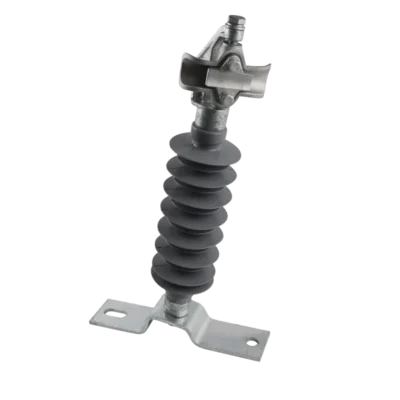
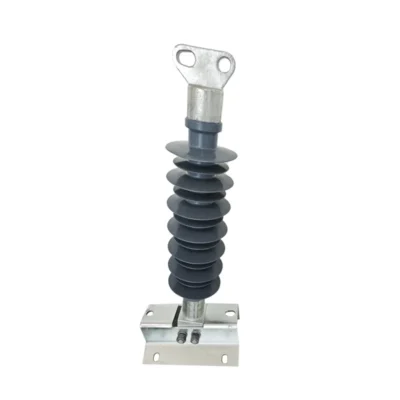
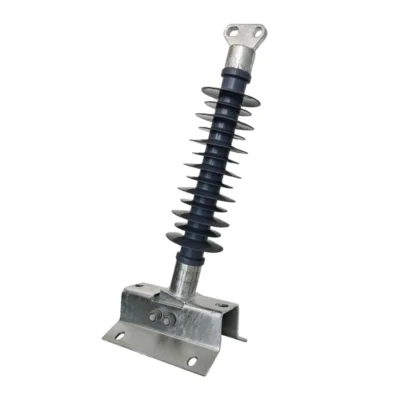
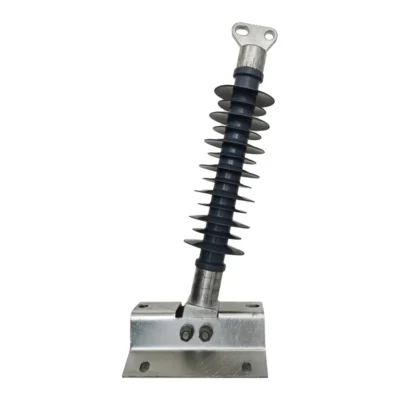
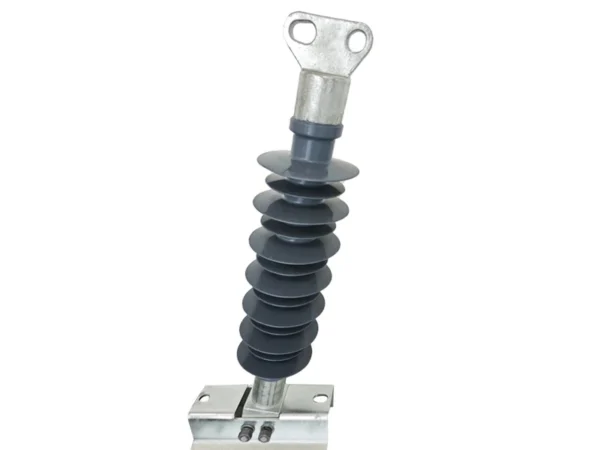
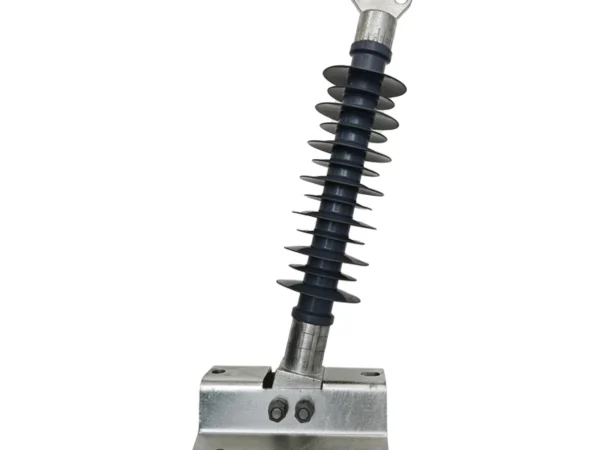
Workers make this composite insulator with epoxy glass fiber pull rods for support and silicone rubber sheds for outer insulation. It is a polymer composite insulator.
Compared with old ceramic and glass insulators, it has clear strong points. It only weighs 1/4 to 1/8 of traditional insulators for the same jobs. Its pull and bend strength of pull rods is over 10 times stronger than high-strength porcelain. Its silicone rubber holds strong water-repellent ability to cut cleaning work.
It also fixes the aging short life of common polymer materials. It works safely for tens of years. It is a new generation product that power grids widely promote.
2. Integrated Anti-Pollution Flashover Design
2.1 Basic Anti-Pollution Design with Water-Transfer Silicone Rubber
Silicone rubber has low surface tension and strong film-forming power. Rain drops hit shed surfaces and roll down directly. They cannot form continuous conductive water films to make leak paths in wet places.
This material also has special water transfer performance. It moves water-repellent features to dirty surface layers within 24 to 48 hours. Dust, salt mist and dirty layers all turn water-repellent. It fully removes flashover risks from wet dirt, and keeps steady insulation of equipment from the material level.
2.2 Optimized Aerodynamic Shed Structure Design
The streamlined shed shape holds little dirt and rarely catches ice or snow. It stops conductive ice bridges from thick ice and snow, and avoids flashover caused by ice, rain and snow.
Old porcelain insulators have flat regular surfaces. Our product cleans itself better. Natural wind and rain wash away surface dirt easily and cut dirt buildup chances.
2.3 Full-Sealed One-Piece Anti-Aging Design
It completely fixes weak points of old extrusion and shed-pushing craft: double interfaces easily take in water, grow old and crack. It blocks wet air, salt mist and dust from reaching inner core rods. It removes hidden troubles like wet core rods, broken insulation and inner electric breakdown. Its structure stays far more stable than traditional glued porcelain insulators.
2.4 Matching Design of High-Strength Core Rods
They absorb vibration well and damp shaking shocks. They bear long-term dynamic mechanical stress: wire weight, strong wind shakes, temperature change bending and ice load. They never crack, break or split in chains like porcelain parts, and fit jobs with heavy mechanical loads.
2.5 Anti-Corrosion & Anti-Dirt Fitting Design for Metal Fittings
We press-fit metal fittings and core rods with precise machines. They connect tightly and spread force evenly. Stable mechanical performance with small deviation lets equipment run outdoors for years without faults.
3. Core Anti-Pollution Flashover Advantages
3.1 Ultra-Strong Anti-Flashover Ability & Stable Insulation
It runs steadily in fog, dew, light rain, thick ice and heavy snow. It stops pollution flashover accidents under normal working voltage.
3.2 No Zero Value, No Aging, No Breakdown Risks
3.3 Self-Clean & Maintenance-Free, Cut Operation Costs Greatly
It needs no manual cleaning or zero-value checks in its whole service life. It cuts high-altitude work times, lowers labor costs and work safety risks.
3.4 High Mechanical Strength, Resist Hits & Breaks
The mixed big-small shed design follows national standards well. It guarantees great outer insulation and electric performance. We press-fit end metal parts to make steady, reliable mechanical performance with small deviation.
3.5 Strong Lightweight Adaptability, Lower Construction Costs
It also lightens weight pressure on substation frames and power towers. It fits old equipment upgrades and power line building in narrow land paths to save infrastructure costs.
4. Typical Application Scenarios
| Scenario Category | Specific Application Scenario | Matched Core Product Advantages |
|---|---|---|
| Urban & County Power Grid Construction | 66kV high-voltage substations and switch rooms in cities and counties | Compact size for small land occupation, maintenance-free design, stable operation in urban dust and light pollution environments, fits city grid upgrades and old equipment replacement |
| New Energy Power Generation | Desert photovoltaic power stations, mountain wind farms, coastal onshore wind power booster stations | Excellent resistance to desert sand, coastal salt mist and high-altitude strong UV light, high mechanical strength for complex outdoor environments |
| Heavy Pollution Industrial Zones | 66kV power supply systems in chemical plants, cement factories, smelters and other heavy-pollution industrial areas | Strong acid-base and dust pollution resistance, no need for frequent manual cleaning, long-term stable anti-pollution flashover performance |
| Mountain & Cold High-Risk Zones | Power lines in high-altitude, freezing cold, heavy ice and strong wind mountain areas | Outstanding anti-ice flashover, anti-aging and anti-seismic performance, high mechanical strength to bear ice and wind loads, stops line faults in icy and snowy weather |
| Special Industrial Power Supply | Electrified railway power systems, industrial dedicated 66kV power supply lines | Ultra-high mechanical strength, strong anti-disturbance and anti-vibration ability, guarantees continuous and stable power supply for special industries |
5. Selection Guide
5.1 Basic Material & Main Performance Parameter Table (66/72kV Line Post Insulator)
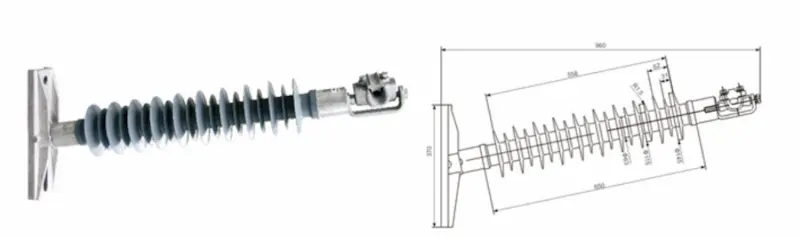
| Housing Materials | Endfitting Materials | Rod Materials | Net Weight | 1-Min Dry Power Frequency Withstand Voltage | 1-Min Wet Power Frequency Withstand Voltage | Lightning Impulse Withstand Voltage | Maximum Design Cantilever Load | Creepage Distance |
|---|---|---|---|---|---|---|---|---|
| Silicone Rubber | Steel & Aluminum | Fiberglass | 11.5 kgs | 215 kV | 170 kV | 350 kV | 10.5 kN | 1950 mm |
5.2 Standard Tolerance Note
5.3 Full Size & Technical Parameter Table
| Line Voltage (kV) | Catalogue Model | Specified Cantilever Load (kN) | Number of Sheds | Total Length L (±5mm) | Leakage Distance (mm) | Dry Arc Distance (mm) | 50Hz Power Frequency Dry Withstand Voltage (kV) | 50Hz Power Frequency Wet Withstand Voltage (kV) | Positive Lightning Impulse Withstand Voltage (kV, 1.2/50μs) | Negative Lightning Impulse Withstand Voltage (kV, 1.2/50μs) | Net Weight (kg) |
|---|---|---|---|---|---|---|---|---|---|---|---|
| 11 | W-FC-10.0 | 10.0 | 2+1 | 365 | 390 | 165 | 70 | 65 | 115 | 160 | 6.5 |
| 11 | W-FC-8.4 | 8.4 | 3+2 | 420 | 585 | 225 | 110 | 100 | 150 | 190 | 7.0 |
| 11 | W-FC-7.2 | 7.2 | 4+3 | 480 | 780 | 285 | 120 | 110 | 180 | 215 | 7.5 |
| 11 | W-FC-6.3 | 6.3 | 5+4 | 540 | 975 | 340 | 150 | 140 | 235 | 270 | 8.0 |
| 11 | W-FC-5.5 | 5.5 | 6+5 | 600 | 1170 | 400 | 170 | 155 | 270 | 300 | 8.5 |
| 11 | W-FC-5.0 | 5.0 | 7+6 | 660 | 1365 | 460 | 180 | 165 | 285 | 325 | 9.0 |
| 11 | W-FC-4.5 | 4.5 | 8+7 | 715 | 1560 | 520 | 200 | 185 | 305 | 355 | 9.5 |
| 11 | W-FC-4.2 | 4.2 | 9+8 | 775 | 1755 | 575 | 225 | 210 | 345 | 405 | 9.9 |
Simple explanation for junior high readers:
- The “2+1, 3+2” shed number means mixed big and small silicone rubber rain shields on the insulator surface.
- Length L has a small error range of ±5mm, fully controlled by IEC 61952 international standard.
- Cantilever load shows the maximum side pushing force the insulator can safely hold without breaking.
- The 66/72kV material table shows the standard high-voltage model’s raw material makeup and core test voltage values.
6. Executive Standards
For key parameters and setups not clearly defined in the above rules, we adjust and carry out production under GB311.1-1997 Insulation Coordination for High-Voltage Transmission & Transformation Equipment and GB/T5582-1993 Pollution Classes for Outer Insulation of High-Voltage Power Equipment.
- Global Standard: IEC 61109 Composite Insulators for AC Overhead Lines with Nominal Voltage over 1000V – Definitions, Test Methods & Acceptance Rules
- Domestic Power Industry Standards: DL/T 810, DL/T 1476 and other technical rules for high-voltage composite insulators
Suitable Environmental Conditions
- Altitude: Works normally in areas from 1000m to 3000m above sea level
- Environment Temperature: -35℃ to +40℃. Custom cold-resistant models fit -40℃ low temperature
- Maximum Tolerable Wind Speed: ≤34 meters per second
- Earthquake Resistance: Matches earthquake design rules for regular power grid projects
- Fit Scenarios: Outdoor tough conditions with heavy dirt, salt mist, strong UV light, ice and sand dust
- Unsuitable Places: Flammable & explosive zones, strong chemical corrosion areas and spaces with sharp high-frequency vibration
7. Product Summary
It uses high-strength glass fiber core rods, water-transfer silicone rubber and one-piece sealed molding craft. It combines ultra-high mechanical strength, top anti-pollution flashover power, anti-aging ability, maintenance-free design, light weight and high safety.
It fixes many common industry weak points of traditional insulators from the root: zero-value aging, chain breaking, flashover power tripping and high operation costs. It fully fits all complex working scenes: substations, new energy stations, factories, coastal areas, cold zones and high-altitude lands.
With great overall performance and low full-life-cycle costs, it becomes the core support for safe and steady running of 66kV high voltage power transmission and distribution systems. It is the top outer insulation choice for new power systems.

Reviews
There are no reviews yet.