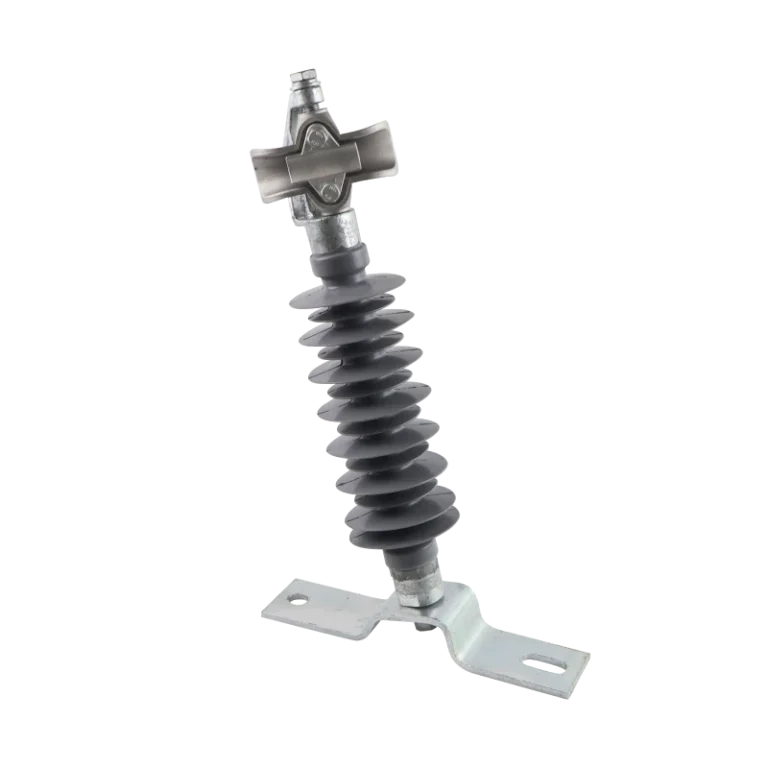
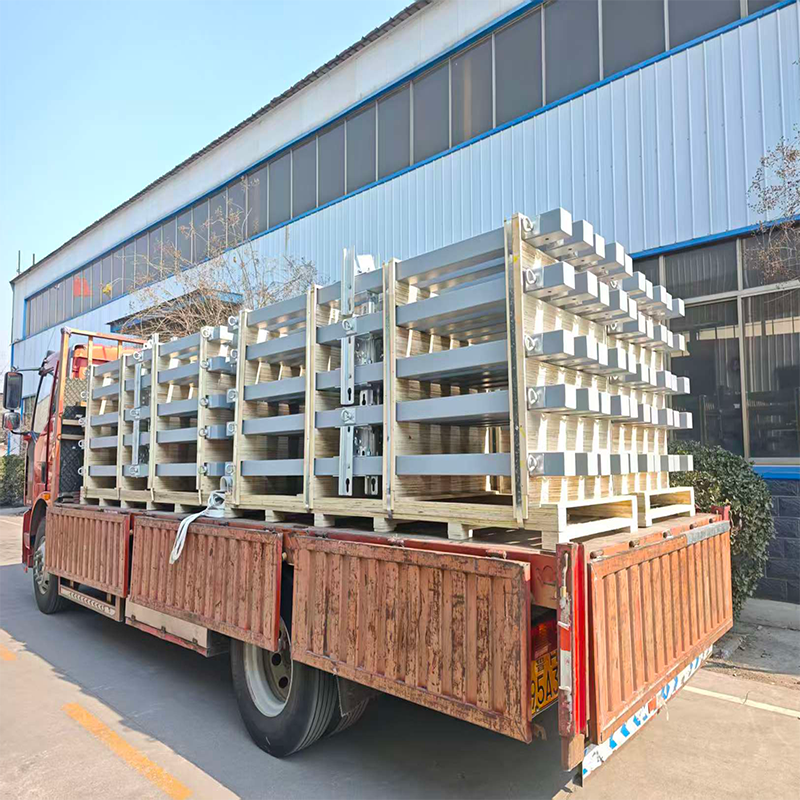
Coastal areas pose severe challenges to power facilities. These places have heavy salt fog, high humidity, strong ultraviolet rays and frequent typhoons. Chloride ions penetrate into metal parts and cause electrochemical corrosion. Then the metal will crack. Traditional metal power equipment was severely damaged. In recent years, workers have widely used cross arms made of special composite material FRP. The cross arm is a key part of power. Lines play an extremely important role in power projects. It has become the main choice for power construction in humid coastal areas.
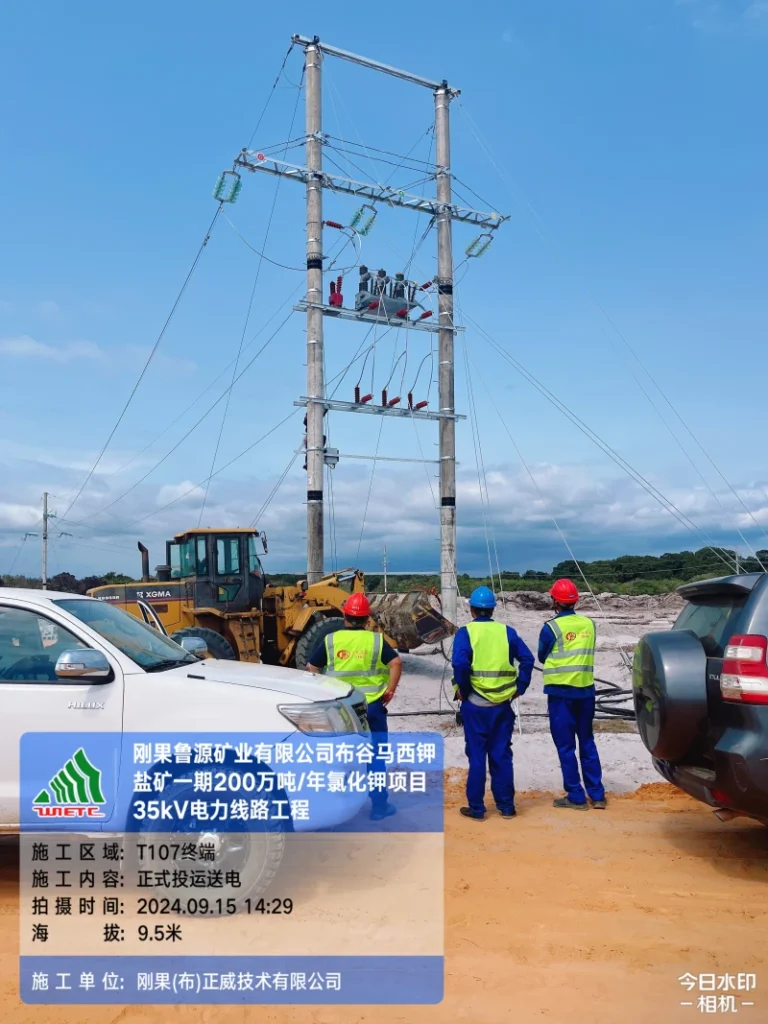
These parts typically develop severe rust and structural damage after 5 to 10 years.
These parts typically develop severe rust and structural damage after 5 to 10 years. People used to install large numbers of iron or galvanized steel crossarms on coastal transmission lines. When a strong current suddenly appears in the circuit. Hot-dip galvanizing can slow down rust, but it cannot prevent alkaline moisture from entering tiny cracks. As a result, these metal parts quickly lose strength. The outer coating turns into loose powder. Replacing damaged parts, shutting down power supply and repairing faults cost power companies a fortune. In case of failure, rusty joints can easily break and fall off the power tower.
FRP cross arms have very good anti-corrosion effect.
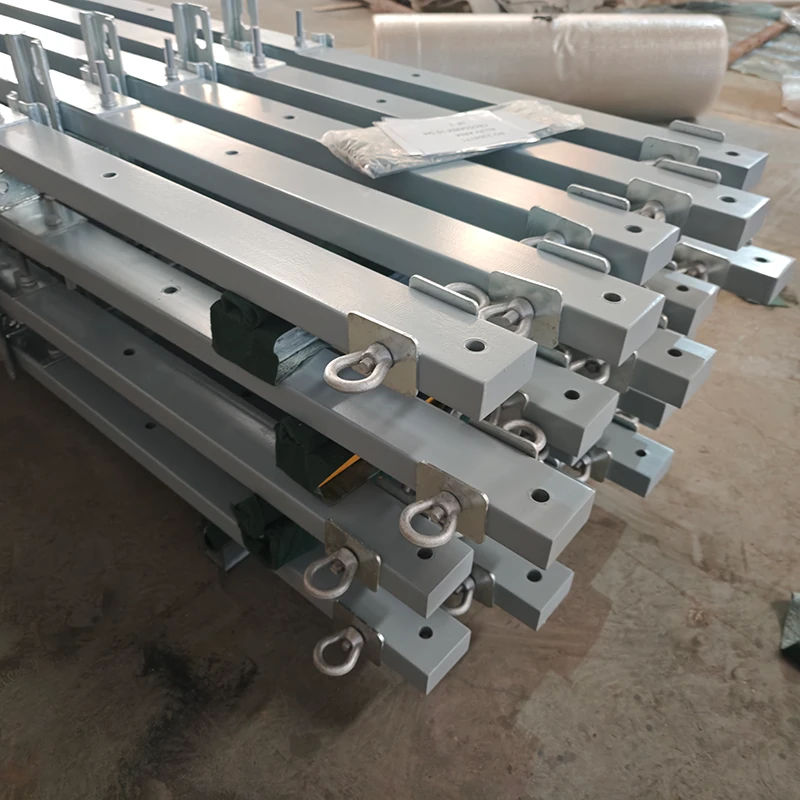
FRP cross arms have very good anti-corrosion effect. Workers made the high-strength hollow rod by mixing glass fiber and resin and forming it with a mold. It has strong water resistance and stable binding force. We designed special FRP crossarms for coastal weather. Their changes can last for more than 30 years. the size of the material does not change or split between layers. Glass fibers are evenly distributed inside the material and resist tension and bending. We use specially improved epoxy resin instead of ordinary plastic materials. In humid and electrical environments, it performs much better than steel poles. Dry and wet conditions and dense fog are much longer than ordinary ceramic insulators.
FRP crossarms are very suitable for coastal power distribution
On-site investigations and many practical tests have proved that the improved FRP crossarms are very suitable for coastal power distribution. The technology significantly reduces power outages and related losses and keeps inspection costs low. It helps the grid withstand damage from salt fog, humidity and strong ultraviolet light. Compared to steel products, their total cost is reduced by approximately 25%. We spent almost no money on later repairs. It also ensures energy security while protecting the coastal environment.