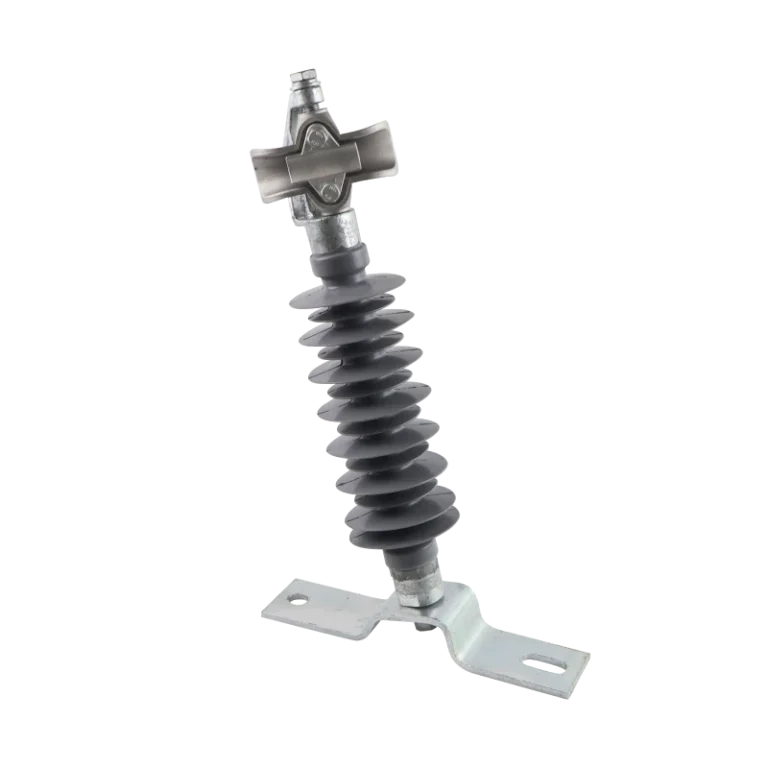
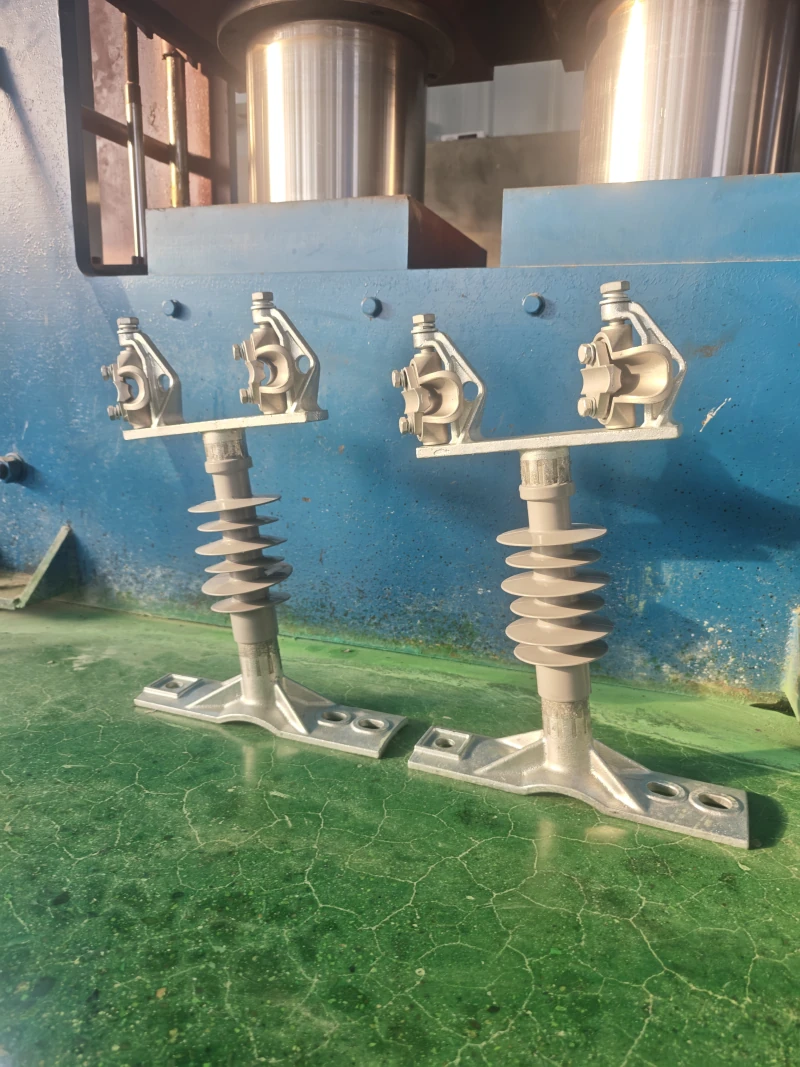
If you have ever walked past overhead power lines or stepped inside a local substation, you must have seen the insulating parts mounted on poles and electrical frames. For decades, porcelain and glass insulators were the go-to choice for power distribution work. But over the last twenty years, more and more utility teams have switched over to composite insulators. On construction sites and in daily equipment procurement, I often meet new workers and junior buyers who only know the name but do not fully understand what this component is designed for. It is practical to talk through its structure, on-site performance and real use cases based on actual field experience.What is composite insulator?
1. Dual-Core Internal & External Structure of Composite Insulators
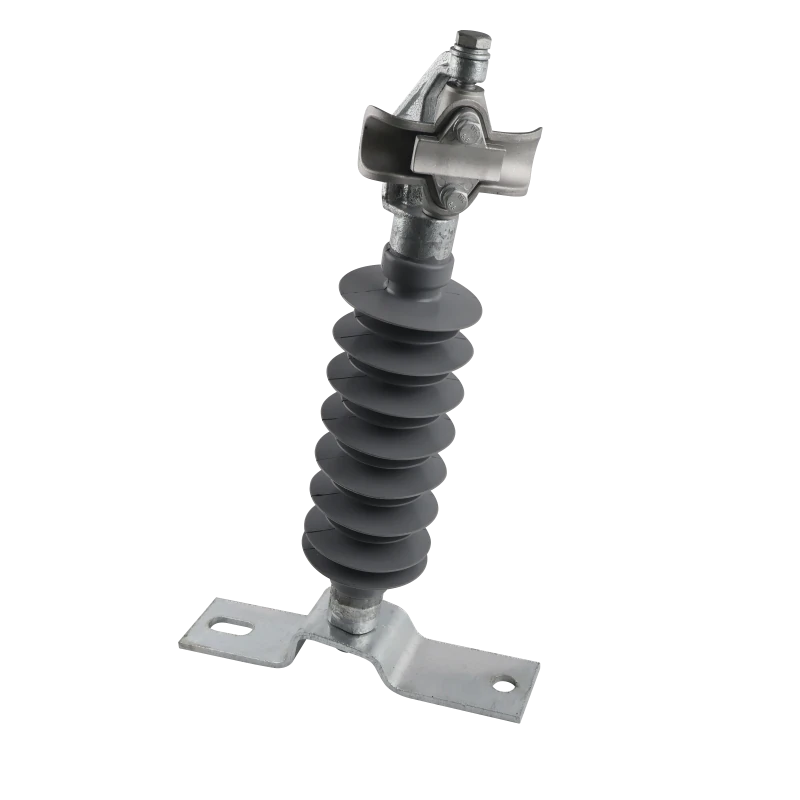
A composite insulator is assembled from two core parts that work together as one whole unit. The inner part is a solid fiberglass reinforced plastic rod. Everyone on installation crews knows this core takes all physical pressure out in the field. It holds the weight of suspended power lines, withstands non-stop shaking from strong winds, and resists bumps from falling tree limbs or flying rubble. This rigid rod is the backbone that keeps the whole unit stable for years. Wrapped firmly around the core rod is a layer of silicone rubber with multiple curved shed structures. This outer rubber section does not carry heavy mechanical loads. Its main job is to block electric leakage, keep water out, stop dust from building up and stand up to harsh sunlight all year round. The two parts are bonded tightly during production, and neither can work well alone as a qualified high-voltage insulator.
2. Core On-Site Merits: Light Weight & Superior Impact Safety
The first advantage that every field worker notices is its light weight. Traditional porcelain insulators are bulky and extremely heavy. When building lines in mountain areas, rural woodlands or places with rough roads, large lifting machines often cannot get through. Carrying heavy ceramic units over long distances is tiring and slows down construction a lot. Composite insulators weigh just a fraction of porcelain alternatives with the same voltage rating. Workers can carry several pieces at once with ease, which greatly speeds up installation work and cuts down labor pressure. What is more, porcelain and glass insulators crack or shatter easily when hit. Broken sharp fragments not only damage power lines but also bring safety risks to people nearby. Composite insulators have good flexibility. Even after minor impacts, they will not break into pieces, making them much safer for roadside and residential area power lines.

3. Outstanding Anti-Pollution Flashover Performance for Harsh Zones
When it comes to working in tough environments, composite insulators stand out further. Many power routes run near coasts, mining areas or industrial zones. Salt mist, fine mineral dust and tiny chemical particles keep attaching to the surface of line equipment day after day. For old-style insulators, once dirt mixes with rainwater, it will form a conductive film. This often causes flashover faults and sudden power cuts, which troubles both residents and local small businesses. Silicone rubber features excellent water repellency. Rain will form separate water beads and slide off quickly, instead of spreading into a continuous film. Most surface dust can be washed away naturally by light rain. This means maintenance teams do not need to travel far for regular manual cleaning, which is really helpful for regions with limited maintenance staff.
4. Main Classifications & Standard Factory Quality Tests
In actual engineering applications, composite insulators are divided into several types according to installation ways. Suspension types are widely used on long-distance transmission lines to hang main power cables. Post insulators are mainly installed in substations to support various switch gears and bus bars. Pin-style products fit regular urban and rural distribution lines. They cover common voltage grades such as 11kV and 33kV, and can also meet the demands of higher voltage networks. All qualified products will go through strict tensile tests, aging tests and insulation tests before delivery, following unified industry standards.
5. Objective Limitations & Key Purchasing Reference Tips
We also need to view this product objectively. It is not without drawbacks. After long-term exposure to strong ultraviolet rays and extreme temperatures, the outer silicone rubber will gradually age. If a manufacturer uses poor bonding technology, gaps may appear between rubber and the inner core after years of use, which affects insulation performance. This is why experienced procurement staff always choose formal manufacturers with mature production techniques, instead of simply picking the cheapest goods on the market.
Up to now, composite insulators have become a mainstream choice for new power line construction and old grid renovation across many regions. Its lightweight design, good impact resistance and outstanding anti-fouling performance perfectly adapts to most outdoor operating conditions. For anyone engaged in power construction, equipment purchasing and daily line maintenance, learning the basic knowledge of composite insulators helps make more reasonable choices. In the end, it will support the safe and stable operation of local power networks for a long time.