

1. Overview of Global Composite Insulator Market
The market for low voltage and high voltage composite insulators has expanded steadily across the globe over recent years, closely tied to large-scale grid construction, old equipment renovation and the boom of renewable energy projects. People who work in power procurement, project contracting or equipment sales know clearly that these two product segments serve totally different scenarios, client groups and technical standards. Their market demands, price ranges and competitive landscapes also differ a lot. To make smart purchasing decisions or develop long-term sales plans, it is necessary to sort out the real status, core driving forces and existing challenges of both markets, combining real cases from domestic and overseas power projects.
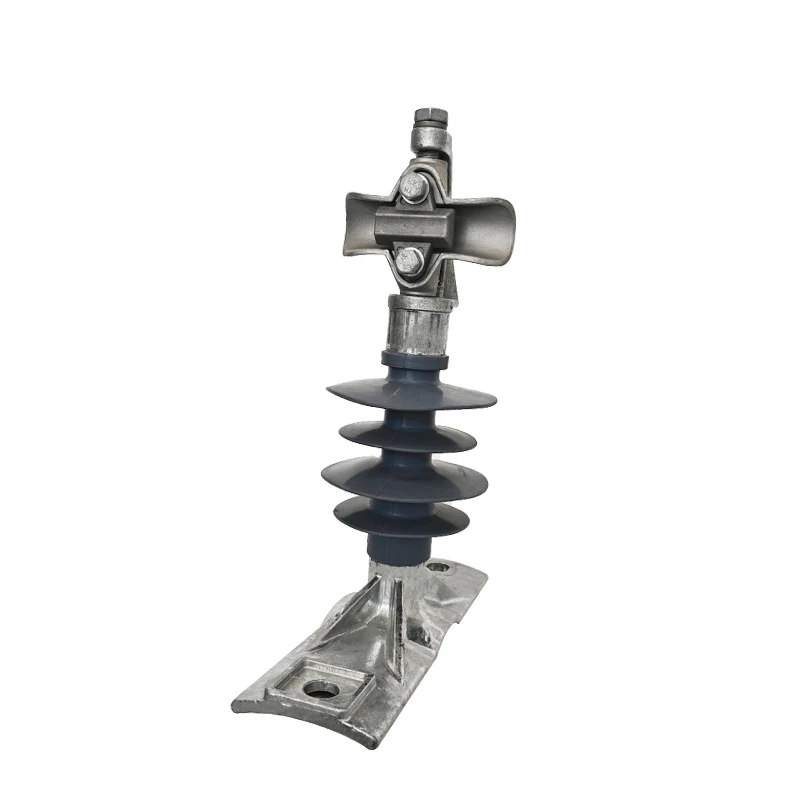
2. Market Characteristics of Low Voltage Composite Insulators
Low voltage composite insulators, generally for 11kV to 33kV power lines, take up a large share in the overall market. Their main application scenarios focus on urban and rural distribution networks, residential power supply lines, small industrial workshops and railway auxiliary power systems. In many developing regions, rural electrification and community grid upgrading keep generating steady orders. These products do not require ultra-high mechanical strength or extreme anti-aging performance, so production technology is relatively mature. A large number of medium and small manufacturers can produce qualified low voltage insulators, which makes the market highly competitive. Price becomes the main factor for most buyers. Many local distributors and small power contractors prefer cost-effective standard products instead of customized styles. Meanwhile, as traditional porcelain insulators age and fail, the replacement demand continues to grow year by year. Light weight and good anti-fouling ability make low voltage composite insulators the first choice for most basic distribution lines.
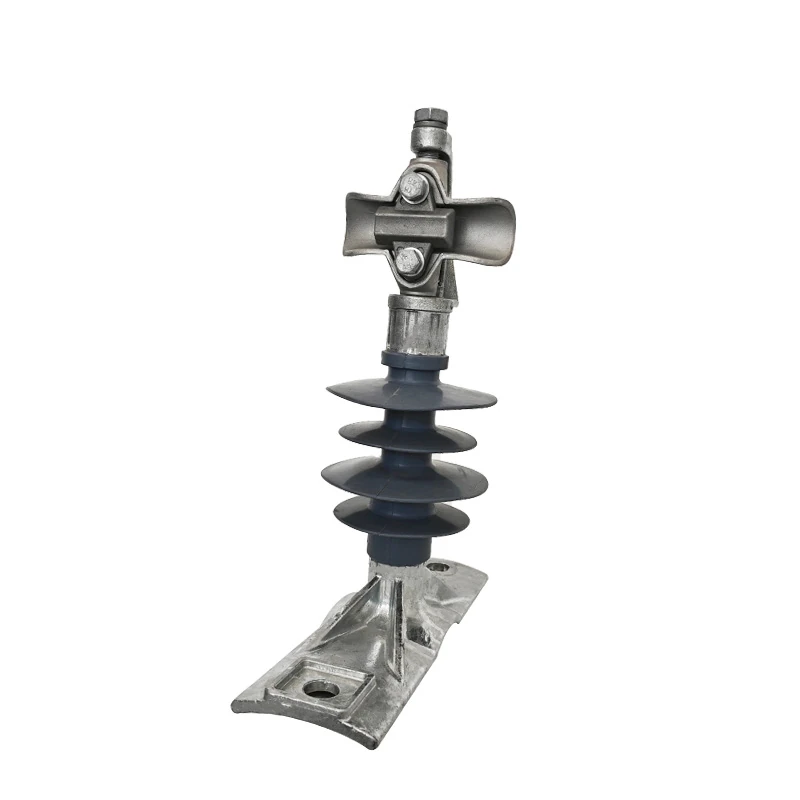
3. Market Characteristics of High Voltage Composite Insulators
High voltage composite insulators, covering 110kV and above transmission lines and substation equipment, belong to the high-end segment of the industry. They are mainly used for long-distance trunk transmission lines, large power plants, new energy delivery channels and key hub substations. Different from low voltage products, high voltage insulators set extremely strict requirements on raw materials, structural stability and long-term operation performance. Products used for high-voltage lines in coastal, mining and high-altitude areas need to stand salt fog, dust pollution and strong ultraviolet radiation. Only manufacturers with complete production lines and professional testing laboratories can meet relevant international standards. Therefore, the high voltage market is dominated by a small number of leading enterprises at home and abroad. Large power groups and national grid companies usually adopt centralized bidding, focusing on product reliability and after-sales service rather than low prices. The order volume of single projects is huge, and the profit margin is much higher than that of low voltage products.
4. Global Market Layout Differences Between Two Segments
The global market layout also shows obvious differences between the two segments. In Asia, Africa and Latin America, low voltage composite insulators enjoy huge market potential. These regions are pushing forward basic power network construction to cover more remote villages and small towns. Local clients tend to order standard specifications with short delivery cycles. For high voltage products, European and North American markets put forward higher requirements on material environmental protection and intelligent functions. Many European power companies favor composite insulators equipped with tiny monitoring sensors, which can feed back real-time operating data. In recent years, Chinese manufacturers have gradually entered overseas high voltage markets. Relying on reliable quality and reasonable prices, they have won recognition in many international transmission line projects.
5. Common Industry Challenges for Composite Insulators
Raw material fluctuation is a common challenge for both markets. Silicone rubber and fiberglass core rods are the core raw materials for composite insulators. Once the prices of chemical materials rise, the production cost of the whole industry will go up. Low voltage manufacturers are more vulnerable, because fierce market competition leaves little room for price adjustment. Many small factories can only compress profit margins to retain customers. High voltage manufacturers, however, can pass part of the cost pressure to clients through long-term framework agreements, thanks to stable cooperative relations with large power enterprises. Another shared problem is uneven product quality. Some unqualified low voltage insulators flow into the market at ultra-low prices, bringing hidden troubles to distribution network operation. For high voltage products, unqualified bonding technology between core rod and rubber layer will lead to major power accidents after long-term operation.
6. Future Development Prospects of the Two Markets
Looking ahead, the market prospects of the two segments are both promising but follow different development paths. The low voltage market will maintain stable growth, driven by continuous distribution network renovation in various regions. Product standardization and fast delivery will become the core competition points. More buyers will pay attention to basic environmental protection indicators of products. As for the high voltage market, with the rapid development of wind power and solar energy, more long-distance transmission lines will be built, bringing continuous new orders. Intelligent composite insulators with built-in monitoring devices will become a new development trend. Manufacturers need to invest more in technology research and development to keep up with the upgrading of high-end market demands.
7. Conclusion
In general, low voltage and high voltage composite insulators are two relatively independent but closely connected sectors in the industry. Understanding their respective application demands, competition features and future trends is essential for manufacturers, sellers and engineering practitioners. Whether expanding the market or selecting products, distinguishing the positioning of the two types of insulators can help avoid risks and seize more opportunities in the increasingly competitive power equipment market.