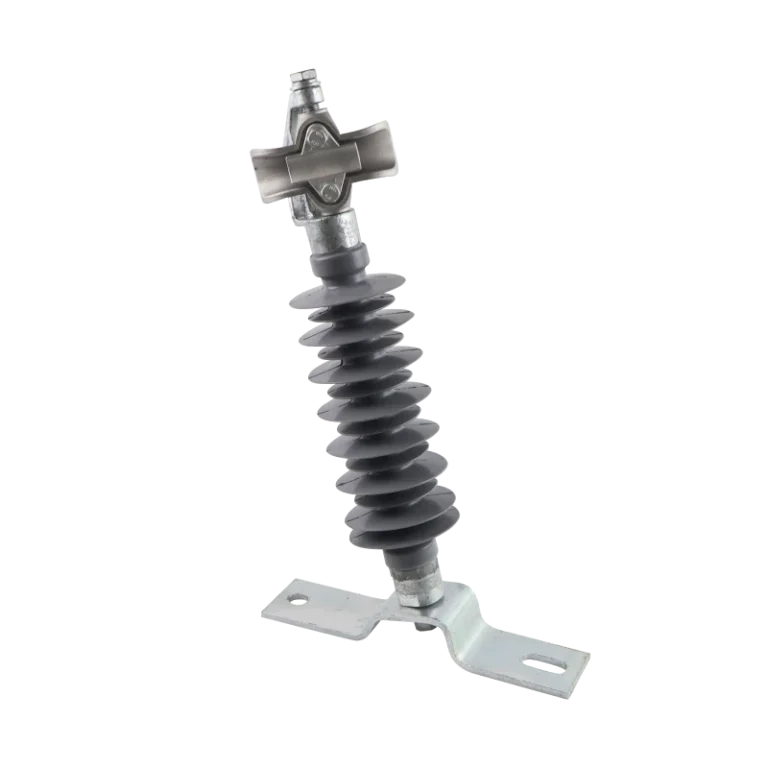
Distribution Systems: In low-voltage distribution lines of power transmission systems, FRP crossarms function like human shoulders—resisting not only the weight of conductors but also harsh environmental conditions such as strong winds, ice accumulation, and accidental impacts. Having replaced the traditional “iron crossarms + insulator strings” configuration, these components inevitably suffer from rusting and paint peeling over time. In recent years, FRP crossarms (fiber-reinforced composite crossarms) have quietly emerged as the preferred choice in power systems.
Power Grid FRP Crossarm Recommendations
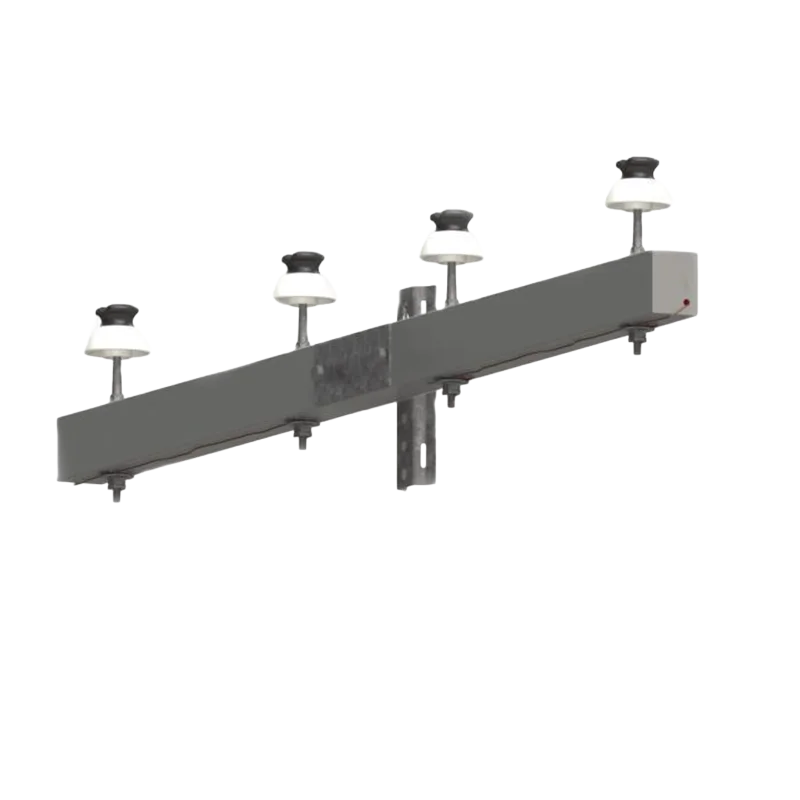
From a material perspective, FRP is a high-strength, high-modulus, lightweight polymer composite produced through continuous pultrusion technology. It utilizes glass fiber-reinforced unsaturated polyester, epoxy resin, phenolic resin, and high-hardness polyurethane elastomers as matrix materials, with glass fibers serving as reinforcement. In this configuration, the glass fibers provide tensile strength analogous to steel reinforcement, while the resin acts like concrete to bond the fibers into a cohesive structure and protect them. This combination results in crossarms that are both lightweight and robust—each FRP crossarm can withstand several tons of tension, weighing only half as much as conventional steel, and can be installed by two workers, significantly reducing hoisting costs. Moreover, FRP itself is an insulator with power-frequency voltage resistance easily exceeding 20 kV, effectively creating a “natural firewall” for power lines. Even if condensation or contaminants accumulate on the porcelain insulators, current cannot easily flow through the crossarms to form a circuit, thereby greatly reducing the probability of single-phase ground faults.
Power Fiber Reinforced Polymer (FRP) Crossarm
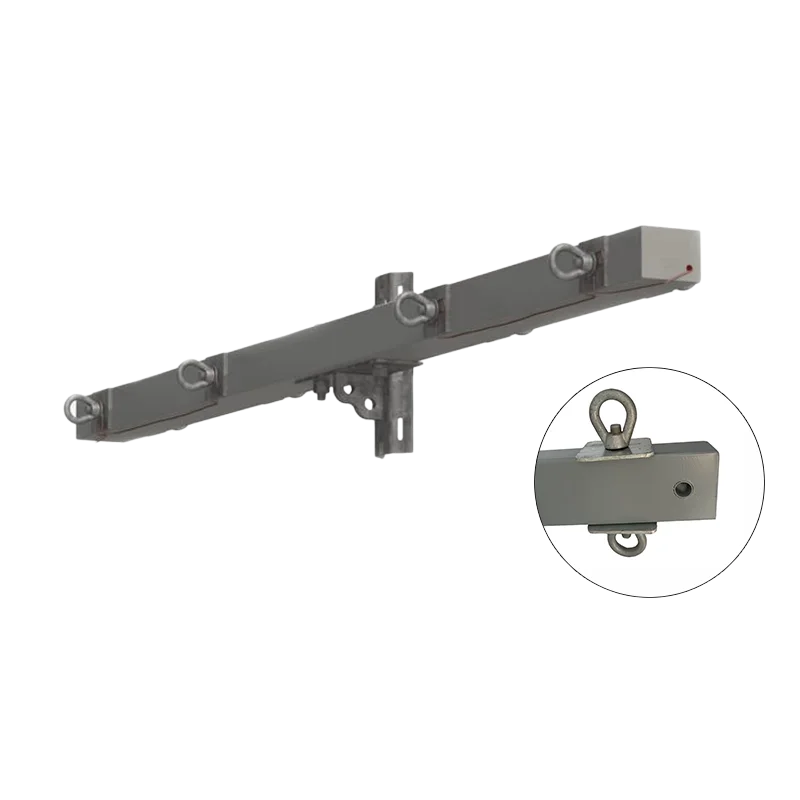
Mechanical design also demands precision: FRP crossarms are not solid rods but feature hollow or I-shaped cross-sections that ensure uniform stress distribution along the fiber direction. These crossarms undergo minor elastic deformation, absorbing energy like springs rather than breaking abruptly like metals. This “flexibility overcoming rigidity” characteristic makes them particularly suitable for coastal regions prone to typhoons. With excellent insulation performance, they have gradually become the mainstream choice for medium-and high-voltage transmission towers. On-site installation involves simply aligning with the pole clamp, securing, and tightening—the entire process taking half an hour. Their superior stain resistance and flashover protection make their wet and contaminated withstand voltages 2–2.5 times higher than those of ceramic insulators at the same creepage distance. Eliminating cleaning requirements allows safe operation even in heavily contaminated environments. From urban old-residential area renovations to rural power grid upgrades, these glossy “plastic shoulders” now adorn an increasing number of utility poles. Though less conspicuous than transformers or switches, they silently ensure the safety and stability of distribution networks, serving as indispensable invisible guardians in modern power systems. Consequently, FRP crossarms have garnered significant attention across industries, particularly in power transmission, where innovative technologies and applications continue to attract remarkable focus.