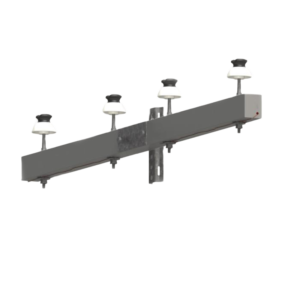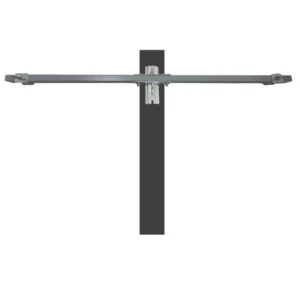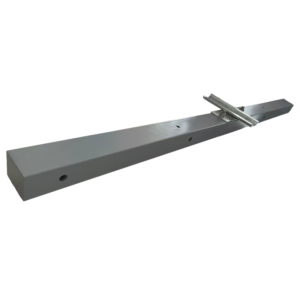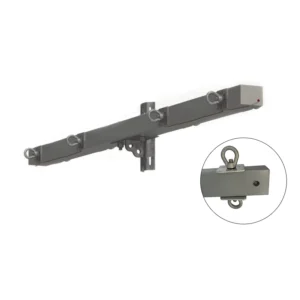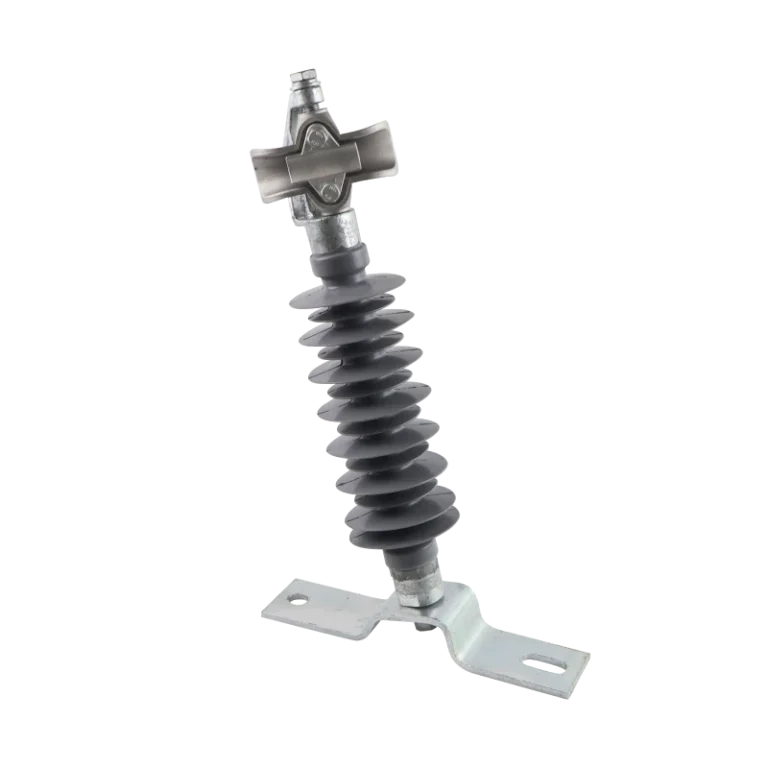
FRP Crossarms, as a critical infrastructure in power transmission systems, overhead power lines—also referred to as transmission lines or power cables—are composed of suspended cables and wires. Their primary function is to deliver electricity safely and efficiently between multiple locations, ensuring reliable power supply to end-users.
The safety and stability of power transmission directly impact the operational efficiency of electrical systems. In the field of power materials, insulated FRP crossarms have emerged as an innovative solution, serving as essential components of transmission towers. These crossarms replace traditional metal counterparts, providing dual functionality: supporting conductors while delivering exceptional insulation performance. The core advantage of FRP crossarms lies in their enhanced safety, durability, and environmental adaptability, achieved through advancements in material science and optimized structural design, making them ideal for various power transmission applications.
I. FRP Crossarms Material Composition and Manufacturing Principle
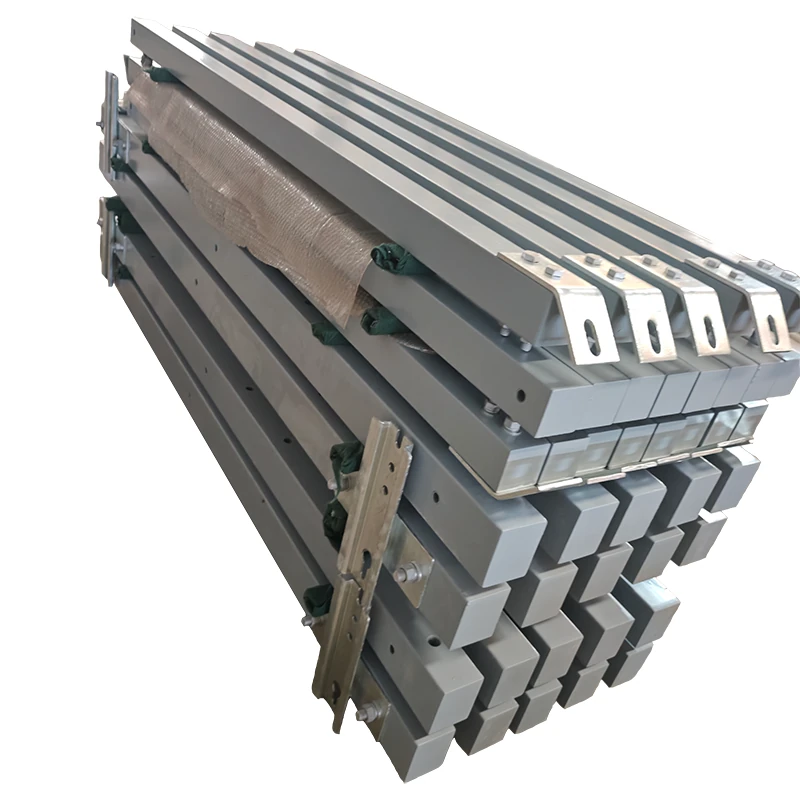
The insulated FRP crossarm utilizes alkali-free glass fibers as the reinforcement material. Through the pultrusion process, the fibers are bonded with the resin matrix to form a specific structural configuration.
Alkali-free glass fibers exhibit high strength and corrosion resistance, while the UV-resistant surface coating effectively protects against UV-induced aging and chemical erosion. The resin matrix confers insulating properties to the material. Oxygen index tests demonstrate superior flame retardancy compared to conventional materials. Its cross-section is designed in either a channel or rectangular shape, meeting mechanical load requirements while optimizing structural efficiency to reduce wind resistance and weight. With a density of 2.1 g/cm³ and thickness ranging from 6 to 10 mm, the material is compatible with transmission towers across various voltage levels, facilitating easy installation and transportation. This design effectively prevents electrochemical corrosion, extends service life, and reduces maintenance costs.
II. FRP Crossarms Maintenance and Inspection
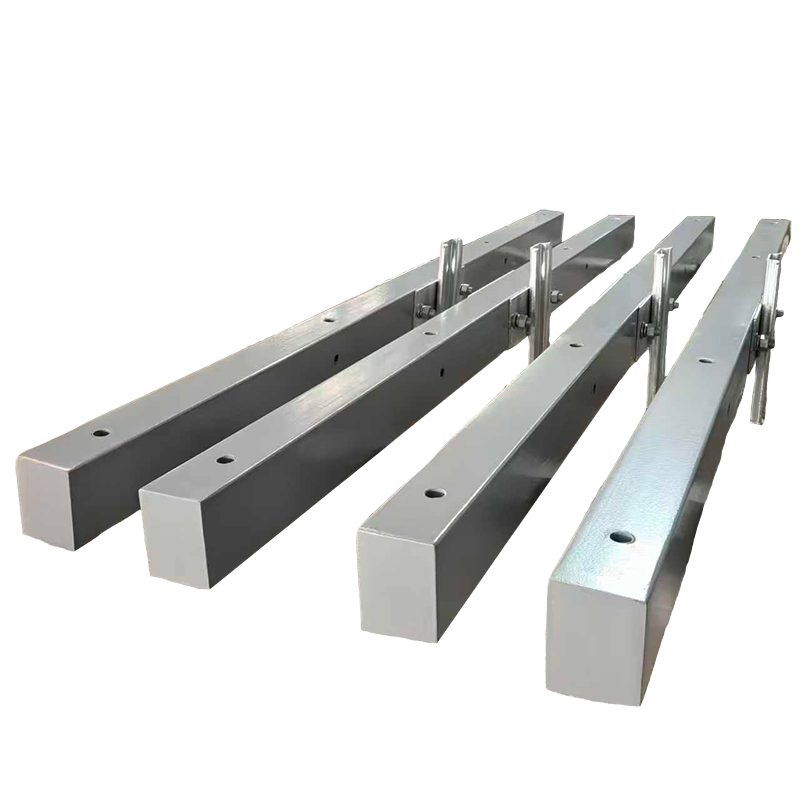
- Irregular inspections This level must encompass all four dimensions— “appearance, structure, accessories, and environment” —to prevent potential hazards from being overlooked due to inspections focusing on a single dimension only.
- Minimize pollutant accumulation as much as possible to prevent coating damage caused by impact forces. Particularly at joint areas, ensure thorough cleaning to avoid moisture retention that may lead to corrosion issues.
- Every six months, the actual load on the cable tray should be evaluated. A weighing device can be used to measure the total cable weight on each section of the tray, ensuring it does not exceed 80% of the tray’s rated load capacity.
- If the load is found to be approaching or exceeding the rated value, the cable layout should be promptly adjusted or additional support brackets installed to distribute the forces acting on the cable tray, thereby preventing structural deformation caused by prolonged overload.
- When the cover plate is damaged, if the snap-fit mechanism is fractured, the snap-fit component can be replaced; if cracks appear on the cover plate, the entire plate must be replaced. The replaced cover plate shall undergo a sealing test to ensure no leakage occurs.
III. Preparations Before Assembling the Crossarm
Assembling an electrical crossarm is akin to assembling building blocks, making preparatory work particularly crucial. The first step is to verify that all components are complete, including the crossarm itself, connecting hardware, insulators, etc. For material selection, it is recommended to use corrosion-resistant steel, as this effectively extends its service life. Regarding tools, in addition to standard wrenches and screwdrivers, a torque wrench should be prepared to ensure proper bolt tightening.