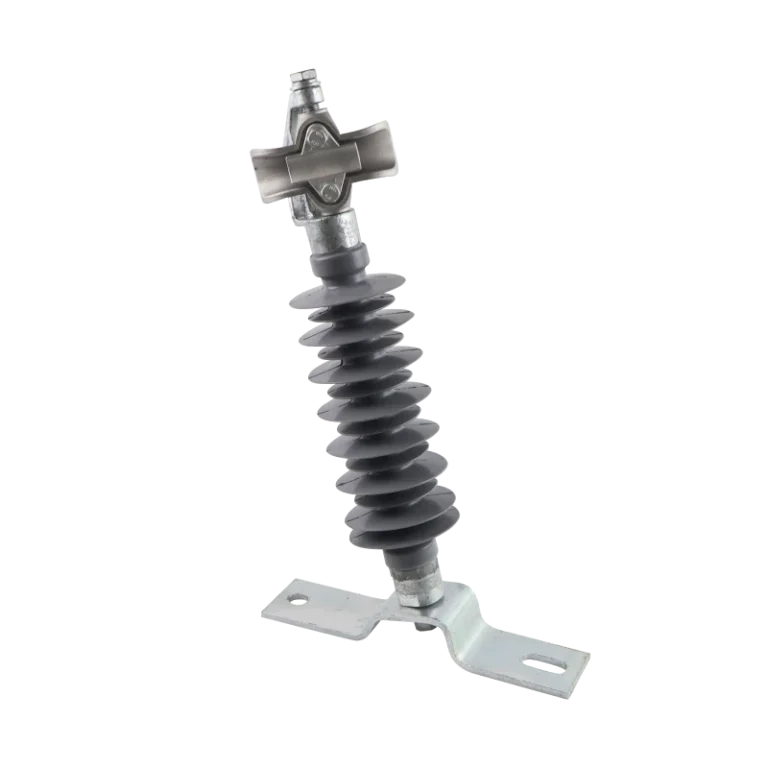
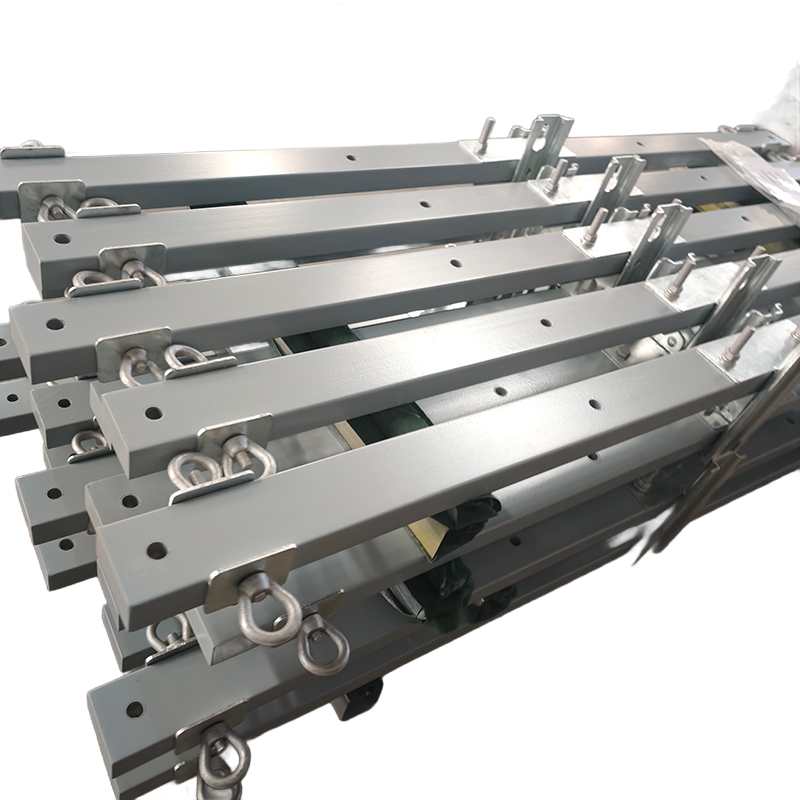
For 33 kV outdoor transmission lines, crossarms are critical for supporting the line’s conductors, and their performance directly impacts the overall safety and the line’s serviceability. Crossarms constructed using conventional iron undergoes accelerated corrosion due to exposure to atmosphere, which in return compromises line safety. Rusts and corrosion on the crossarm lead to exposure of the conductors and possibly conductive parts of the line. Insulated fiberglass reinforced plastic (FRP) crossarms are suitable for 33 kV outdoor transmission line as they address all these challenges.
Insulated FRP crossarms outperform other crossarms in terms of insulation within the 33 kV transmission line
Insulated FRP crossarms outperform other crossarms in terms of insulation within the 33 kV transmission line. The 3 kV transmission line is a critical threshold level of voltage for the regional power transmission system as it is susceptible to flashover discharges. The excellent insulation properties of FRP ensure reliable and even insulation in conditions of elevated humidity, which decreases line leakage and the safety risk within the power transmission system.
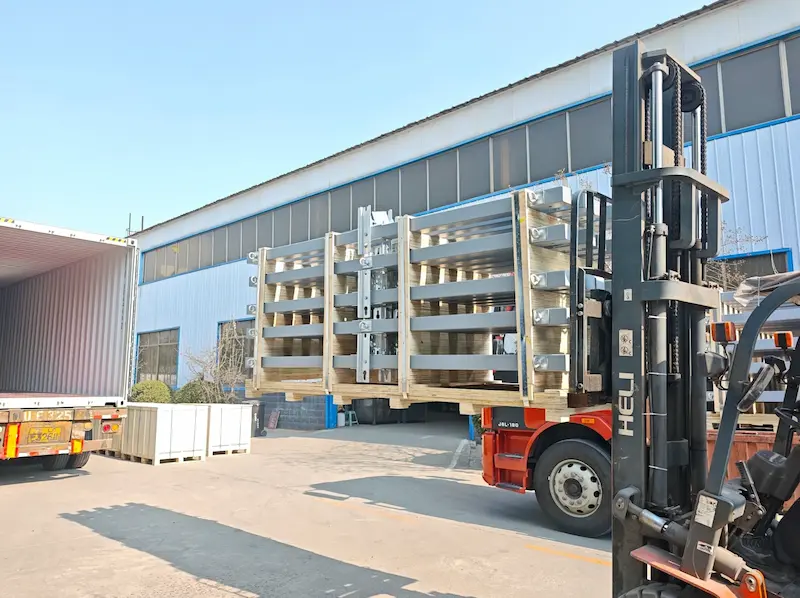
The corrosion resistance of fiberglass reinforced plastic (FRP) crossarms is superior to that of steel crossarms
The corrosion resistance of fiberglass reinforced plastic (FRP) crossarms is superior to that of steel crossarms. Steel crossarms that are typically used in outdoor transmission lines are exposed to diverse environments—industrial parks, agricultural areas, coastal ecosystems, etc. Industrial parks may emit acidic gases that tear apart steel crossarms, agricultural areas may erode steel crossarms with pesticides and fertilizers, and coastal ecosystems may corrode steel crossarms with saltwater. These areas may require the replacement or maintenance of their steel crossarms after only slightly over a decade of service. Alternatively, FRP crossarms can resist corrosion due to chemical stability, can withstand most acids, alkalis, and salts, and have a service life of over thirty years. FRP crossarms also have the added benefit of being one-fourth as heavy as steel crossarms, and therefore, make the handling and installation process easier and less expensive and may also shorten the construction process due to lesser work and machinery requirements.
There are a variety of designs available for insulated FRP crossarms that may be used for the design requirements of 33 kV outdoor transmission lines and can be manufactured to be paired with insulated FRP crossarms for straight and tension tower
There are a variety of designs available for insulated FRP crossarms that may be used for the design requirements of 33 kV outdoor transmission lines and can be manufactured to be paired with insulated FRP crossarms for straight and tension towers. High-strength FRP crossarms are able to withstand snow load and the tension of conductors. Additionally, for lines that are built in finer zones, FRP crossarms provide a degree of safety for the community that is nearby due to excellent insulation and the absence of external impacts or contact with tree crossings.
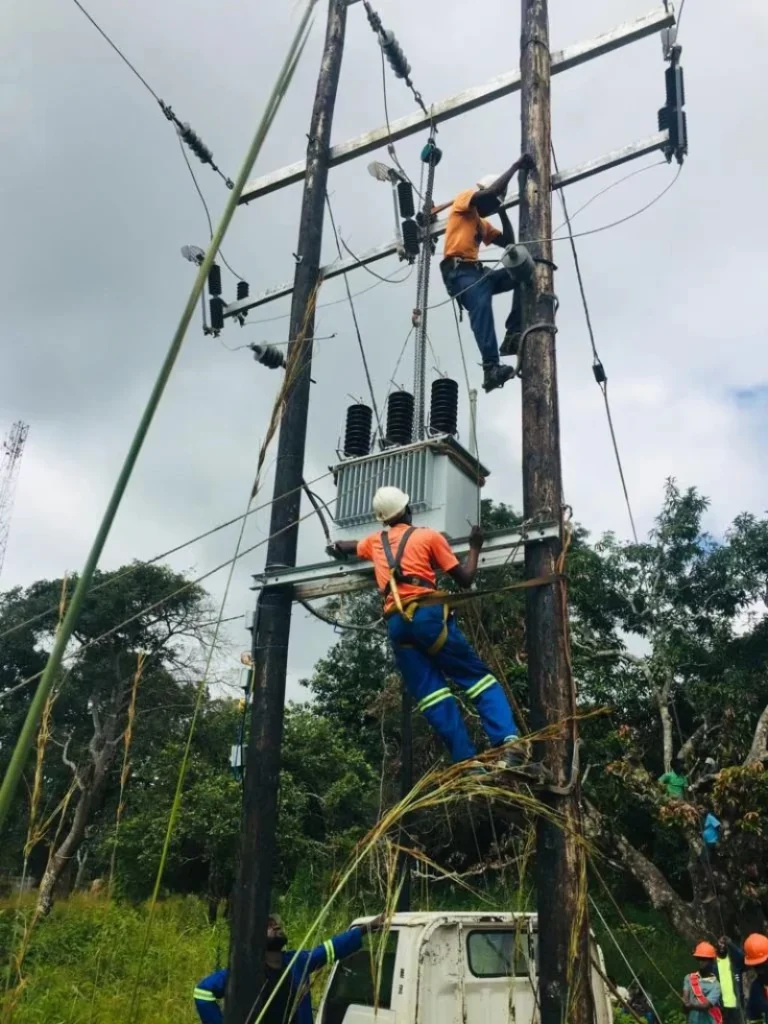
As more remote areas of China get connected to the national power grid, the demands on outdoor transmission facility standards are becoming more stringent
As more remote areas of China get connected to the national power grid, the demands on outdoor transmission facility standards are becoming more stringent. Traditional steel crossarms are being quickly replaced by insulated FRP crossarms on 33 kV transmission line projects. Insulated FRP crossarms are more environmentally friendly and energy efficient, cost less to maintain, and are safer to use. Using insulated FRP crossarms on 33 kV transmission lines is also improving the resilience of the lines to disasters. This is the first stepping stone towards providing a fully integrated smart grid for China.
The insulated FRP crossarm has many advantages and is likely to remain the dominant
The insulated FRP crossarm has many advantages and is likely to remain the dominant crossarm in use for the construction and upgrade of lines up to and including 33 kV in China. This will improve the safety and efficiency of power transmission while saving energy.