

Description
For decades, traditional glass and porcelain disc insulators complying with ANSI C29.2 Class 52-3 standards have been the mainstream choice for 69kV to 132kV overhead transmission lines in most African power grids. However, long-term field operation and seasonal fault maintenance reveal inherent defects of conventional disc insulators: heavy weight, brittle shell structure, poor pollution resistance, and high failure rates under harsh outdoor conditions.
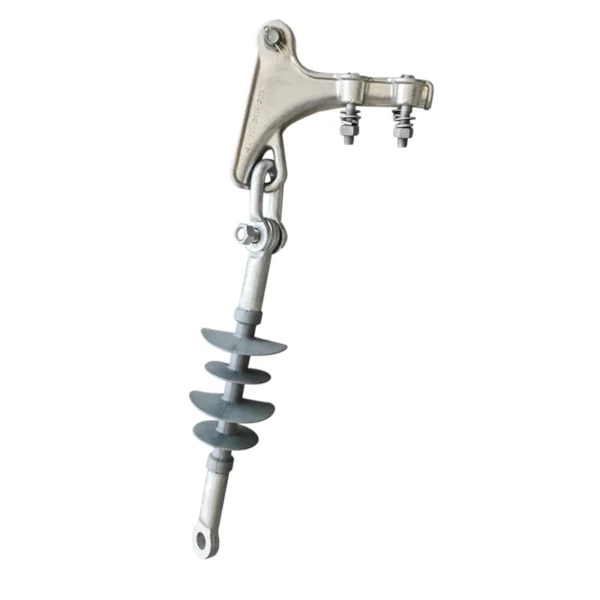
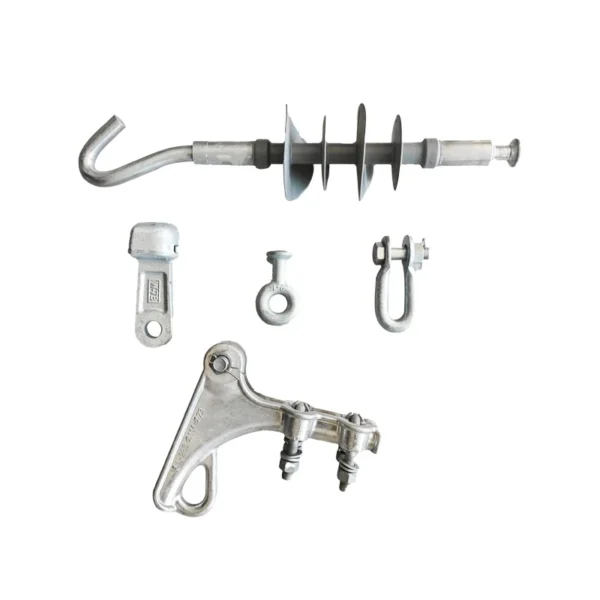
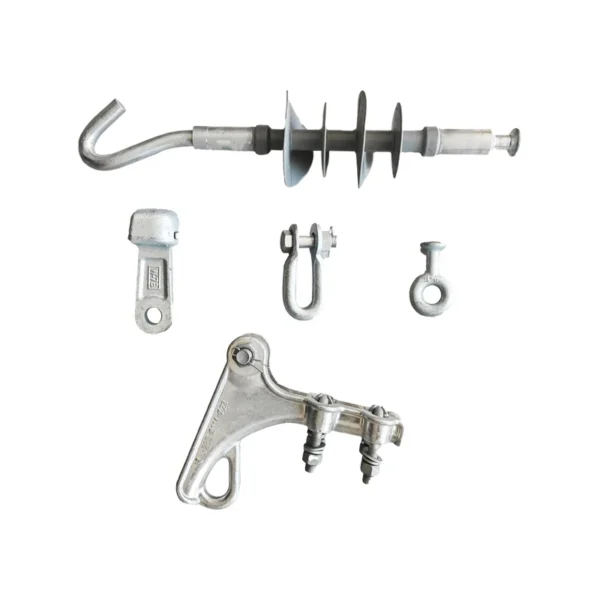
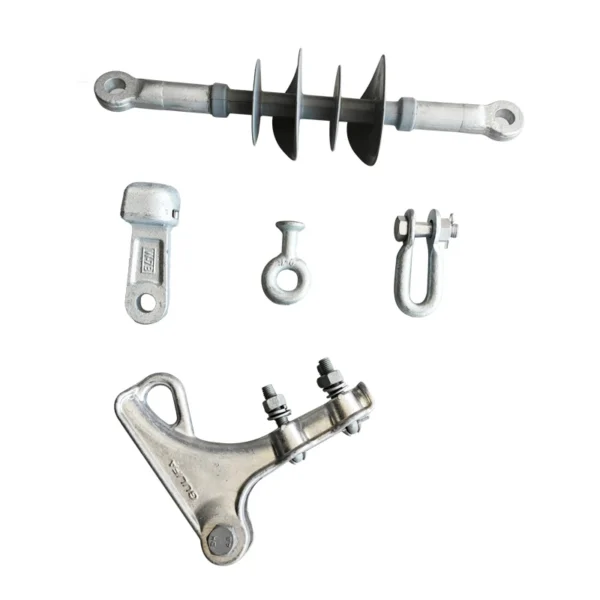
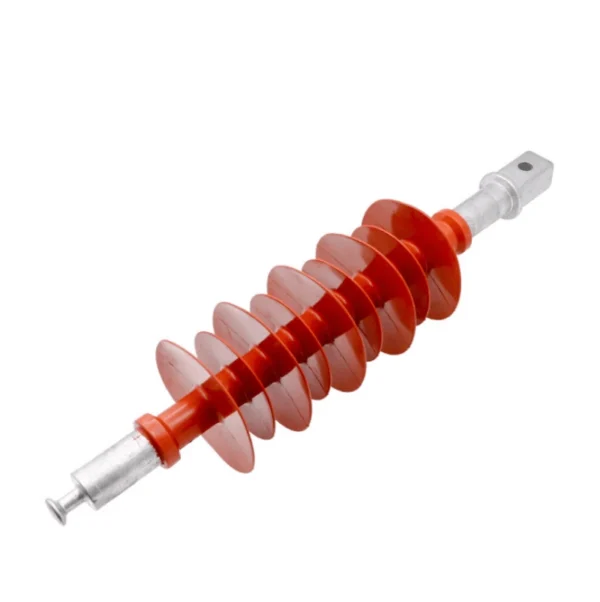
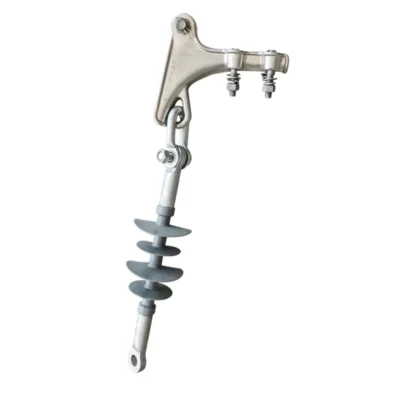
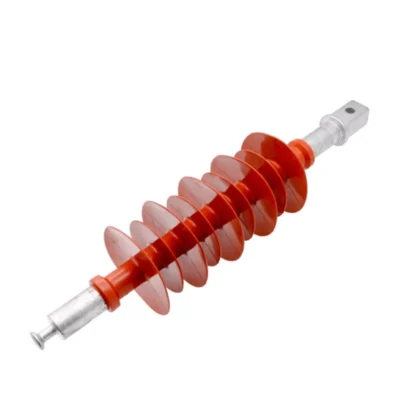
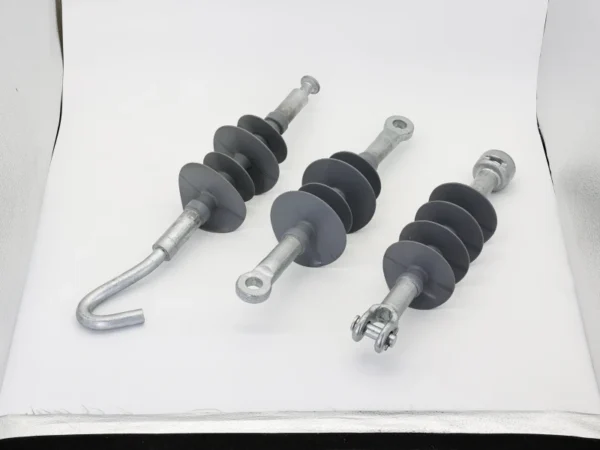
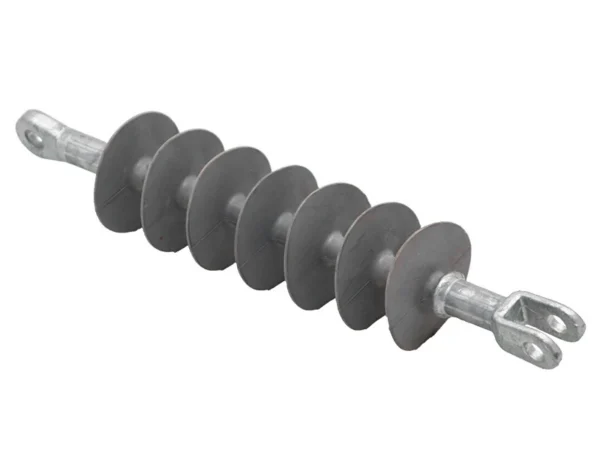
Developed to fully match existing ANSI 52-3 installation standards without modifying tower hardware, this composite suspension insulator solves most on-site application pain points of ceramic disc insulators. It has been widely promoted and applied in grid renovation and new line construction projects in coastal salt fog areas, high-altitude regions and industrial pollution zones across African countries in recent years.
2. Core Product Advantages
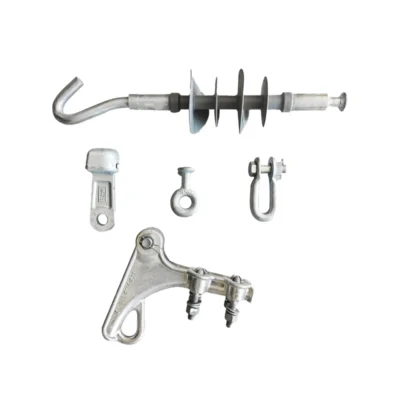
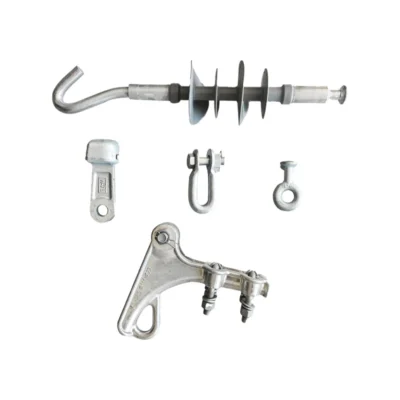
Many upgraded composite insulators on the market adjust overall dimensions and fitting sizes to reduce production costs. This requires on-site crews to replace cross arms and connecting hardware during replacement, resulting in extra project investment and construction time. This composite insulator completely retains all standard parameters of classic ANSI 52-3 disc insulators, enabling one-to-one direct replacement of old glass and porcelain insulator strings.
Standard Parameter List
|
Parameter Item
|
Standard Specification
|
|
Electromechanical Strength Rating
|
67kN
|
|
Standard Unit Spacing
|
146mm
|
|
Creepage Distance
|
Compliant with ANSI C29.2 requirements
|
|
End Fittings
|
Universal Type B Ball-and-Socket
|
Practical engineering verification shows that the product can be installed directly on original tower positions without any hardware adjustment. Compared with non-standard customized insulators, it saves nearly one-third of on-site installation time and effectively improves grid renovation efficiency.
Optimized Internal Structure for Long-Term Outdoor Operation
Different from low-grade composite products for low-voltage lines, this insulator adopts a professionally optimized internal structure to adapt to long-term outdoor transmission operation and drastic regional temperature changes in Africa.
Temperature Fatigue Resistance
Many African regions feature extreme seasonal temperature differences, with severe frost in cold seasons and high temperature above 35°C in hot seasons. Ordinary fiberglass core rods are prone to aging, deformation and tensile failure under alternating cold and hot stress. The upgraded hydrolysis-resistant ECR fiberglass epoxy core rod eliminates such fatigue damage and maintains stable mechanical tension to support overhead line weight throughout the year.
Precise Manual Pretreatment Process
Before encapsulation, each core rod is manually polished, degreased and coated with primer, instead of full automatic one-step processing. This precise treatment removes micro gaps between the fiberglass core and silicone rubber cover, stopping salt mist, industrial dust and moist air from entering the interior and causing potential partial discharge problems.
Many upgraded composite insulators on the market adjust overall dimensions and fitting sizes to reduce production costs. This requires on-site crews to replace cross arms and connecting hardware during replacement, resulting in extra project investment and construction time. This composite insulator completely retains all standard parameters of classic ANSI 52-3 disc insulators, enabling one-to-one direct replacement of old glass and porcelain insulator strings.
Standard Parameter List
|
Parameter Item
|
Standard Specification
|
|---|---|
|
Electromechanical Strength Rating
|
67kN
|
|
Standard Unit Spacing
|
146mm
|
|
Creepage Distance
|
Compliant with ANSI C29.2 requirements
|
|
End Fittings
|
Universal Type B Ball-and-Socket
|
Practical engineering verification shows that the product can be installed directly on original tower positions without any hardware adjustment. Compared with non-standard customized insulators, it saves nearly one-third of on-site installation time and effectively improves grid renovation efficiency.
3. Modified Silicone Rubber Housing with Excellent Anti-Pollution Performance
The outer shed cover adopts modified high-temperature vulcanized silicone rubber filled with high-purity ATH anti-tracking ingredients. The formula is optimized according to years of on-site operation data, perfectly matching the actual pollution environment of African coastal and industrial areas.
Key Anti-Pollution Features
-
The specially designed irregular sheds block water spreading effectively, preventing continuous conductive water films that easily form on smooth porcelain insulators in foggy and rainy weather
-
The insulator surface maintains stable hydrophobicity, stopping salt residue, industrial dust and sediment from adhering tightly
-
Natural rainfall can wash away surface contaminants automatically, greatly reducing frequent manual cleaning work
Operation and Maintenance Cycle Comparison
|
Product Type
|
Maintenance Cycle in Salt-Fog & Polluted Areas
|
|---|---|
|
Traditional ANSI 52-3 Porcelain Disc Insulator
|
Live-line high-pressure cleaning every 10 months
|
|
This Composite Suspension Insulator
|
Simple visual inspection every 2 years
|
This product greatly lowers daily maintenance workload and long-term operating costs for power grids in polluted and salt-fog coastal areas of Africa.
4. High Durability & Lightweight Construction
Impact Resistance & Anti-Breakage Performance
Traditional ANSI 52-3 glass and porcelain disc insulators feature poor toughness. Hailstorms, falling tree branches and wind-blown gravel can easily crack or shatter porcelain shells, resulting in unexpected line tripping. In high-altitude areas with frost and hail all year round, conventional porcelain insulators often chip and rupture, while this composite insulator can keep intact structure and stable insulation performance under the same harsh conditions.
Minor scratches on the outer silicone rubber will not weaken insulation performance. No sharp broken fragments will be produced during operation, ensuring safer on-site construction and maintenance.
Lightweight & Easy Installation
A standard 52-3 porcelain disc insulator weighs about 4kg. This composite insulator is much lighter in weight. Two workers can complete carrying and installation without large hoisting equipment, which perfectly adapts to remote mountainous and rural grid construction in Africa with complex terrain and limited construction conditions.
5. Full Third-Party ANSI Standard Certification
All finished insulators are sent for independent third-party tests in accordance with ANSI C29.2 standards before delivery. All electrical and mechanical indicators fully meet industry specifications. With complete official test reports, the product is qualified for power bidding projects and large-scale grid construction.
Test Coverage
-
Wet & Dry Power Frequency Flashover Test
-
Lightning Impulse Test
-
Radio Interference Voltage Test
-
Long-Term Tension Fatigue Test
6. Main Application Scenarios
This ANSI Class 52-3 composite suspension insulator fits four mainstream transmission scenarios, fully adapting to the complex operating environment of African power grids:
-
Coastal salt fog overhead transmission lines
-
High-altitude corridors prone to frost and hailstorms
-
Peripheral lines near mining and chemical industrial parks
-
Outlet lines of wind farms and solar power stations
Power enterprises in many African countries are gradually eliminating traditional ceramic 52-3 disc insulators and adopting this standardized composite insulator for new line projects, effectively reducing long-term grid operation and maintenance costs.
7. Detailed Application Scenarios for African Power Grids
|
Applicable Scenario
|
African Regional Environment Features
|
Product Matching Advantages
|
|---|---|---|
|
Coastal Power Transmission Lines
|
Most African coastal regions suffer severe sea salt fog, high humidity and long-term atmospheric corrosion. Traditional insulators are prone to pollution flashover and frequent line faults in such environments.
|
The permanent hydrophobic silicone rubber effectively resists salt fog corrosion and surface contamination. It greatly extends the maintenance cycle and avoids unexpected tripping caused by salt pollution.
|
|
High-Altitude Inland Power Corridors
|
African plateau areas have large temperature differences between day and night, frequent hail and frost in dry and windy seasons, as well as strong ultraviolet radiation throughout the year, bringing long-term aging impact on outdoor power equipment.
|
The insulator features stable temperature fatigue resistance and excellent anti-impact performance against hail and frost. It maintains complete structure and stable insulation performance under extreme high-altitude weather conditions.
|
|
Desert & Arid Zone Transmission Lines
|
African desert and semi-arid regions have heavy sand dust, strong wind-blown gravel, long-term high temperature and severe surface dust accumulation.
|
Optimized shed structure prevents dust deposition, natural rainwater self-cleaning reduces manual maintenance, impact-resistant design avoids gravel damage.
|
|
Mining & Industrial Park Peripheral Lines
|
African industrial zones and mining areas produce large amounts of industrial dust, chemical exhaust and metal particulate pollution, leading to serious insulation aging and pollution flashover.
|
High anti-tracking and anti-pollution performance adapts to heavy industrial pollution, stable electrical performance for long-term continuous operation.
|
|
Wind & Solar Power Station Outlet Lines
|
New energy projects in Africa are mostly located in remote open areas, with strong wind vibration, harsh outdoor conditions and high requirements for equipment stability.
|
Integrated tension-resistant core rod adapts to long-term wind vibration, lightweight design facilitates construction in remote new energy bases.
|
|
Rural & Remote Mountain Grid Renovation
|
African rural and mountainous power grids have scattered lines, difficult transportation conditions and lack of large construction machinery and regular maintenance teams.
|
Ultra-light weight saves transportation and installation costs, one-to-one replacement simplifies construction, ultra-low maintenance pressure fits unattended rural grid operation.
|
8. Product Limitations
-
The outer silicone rubber may fade slowly under long-term extreme UV exposure, but the fading does not affect insulation performance and service life
-
It is not recommended for lines with severe mechanical impact risks, such as areas with frequent rockfall
Compared with outdated porcelain and glass 52-3 insulators, this standardized composite insulator achieves an optimal balance of standard compatibility, weather resistance, convenient installation and low maintenance cost. As a field-proven upgraded insulation solution, it fully meets the construction and operation requirements of ANSI-standard transmission projects, effectively supporting long-term stable and safe operation of power grids in African regions.
Reviews
There are no reviews yet.