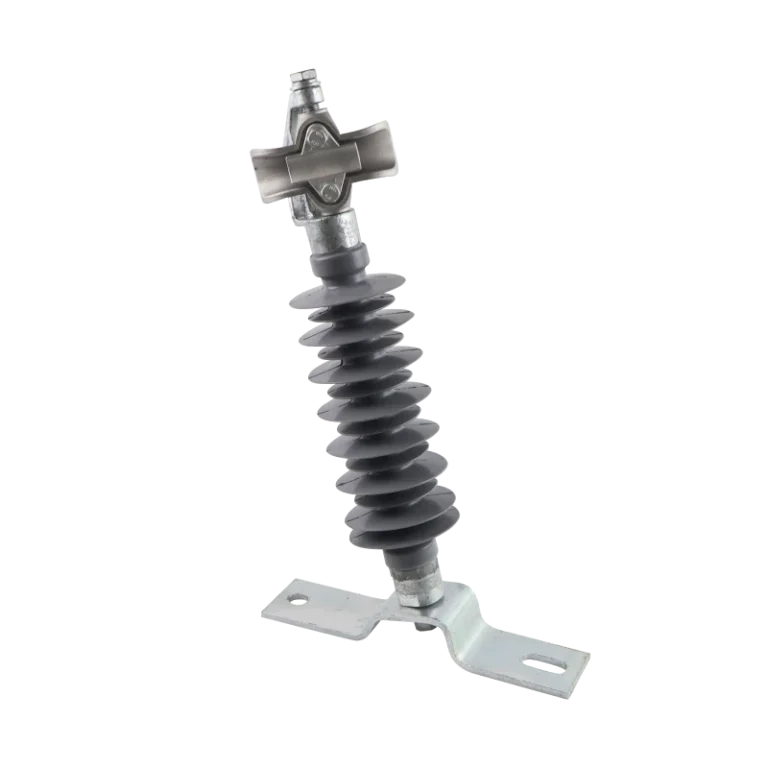
Even electrical experts often mix up professional terms in this industry. Lightning arresters and surge arresters are two easy-to-confuse devices.The difference between surge arrester and lightning arrester
Many people think they are the same, but they are not. Workers install lightning arresters outdoors and surge arresters indoors. Both devices keep electric appliances safe from power accidents. This article tells you their clear differences.
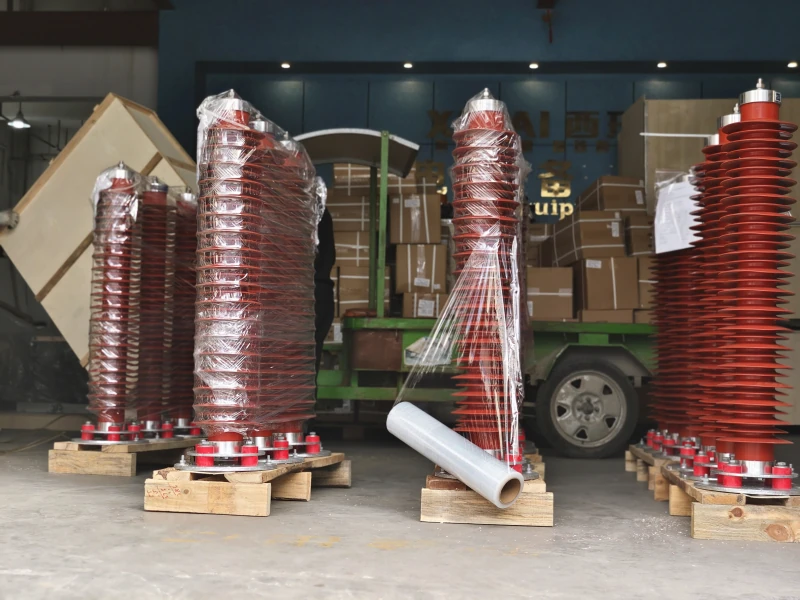
What is a Surge Arrester
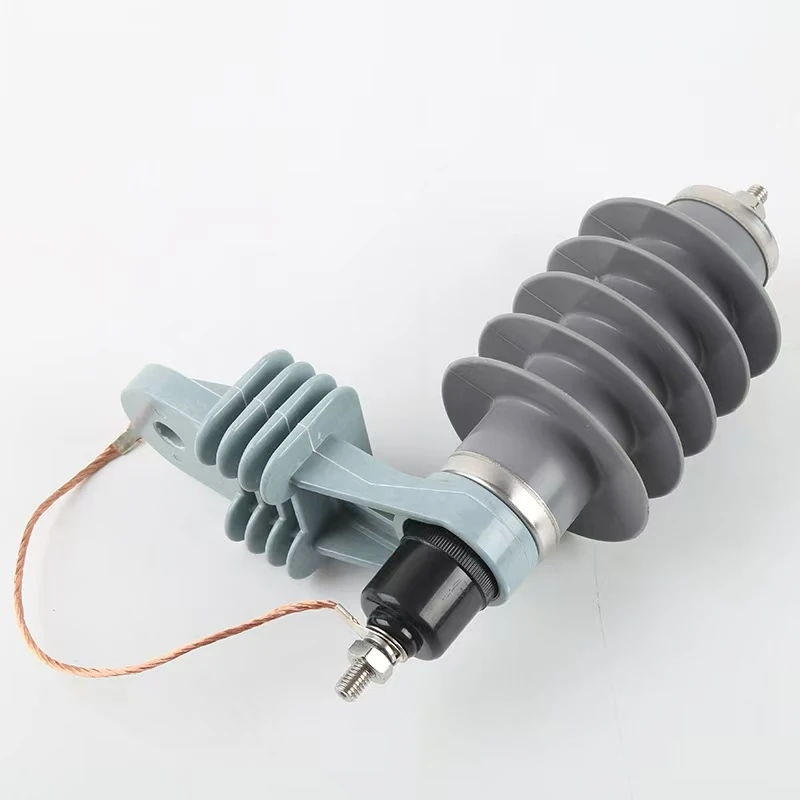
A surge arrester is a safety tool for electric systems. It limits extra voltage and sends sudden surge currents into the ground. It stops abnormal current and works again and again.
It does not block or absorb lightning. It only guides lightning energy away and controls voltage to protect electric equipment. People use it widely, from home circuits to power stations.
Workers put it inside box-type transformers, home circuit breakers, power stations and outdoor wire poles. People follow IEC 60099-4 and IEEE C62.11 to make these devices.
Power lines often have different voltage surges. Lightning is just one of them. Lightning happens randomly, and about 100 lightning bolts hit the earth every second.
Other common voltage surges include temporary overvoltage and switching overvoltage. Temporary overvoltage comes from single-phase ground faults. Switching overvoltage appears when people change power working modes.
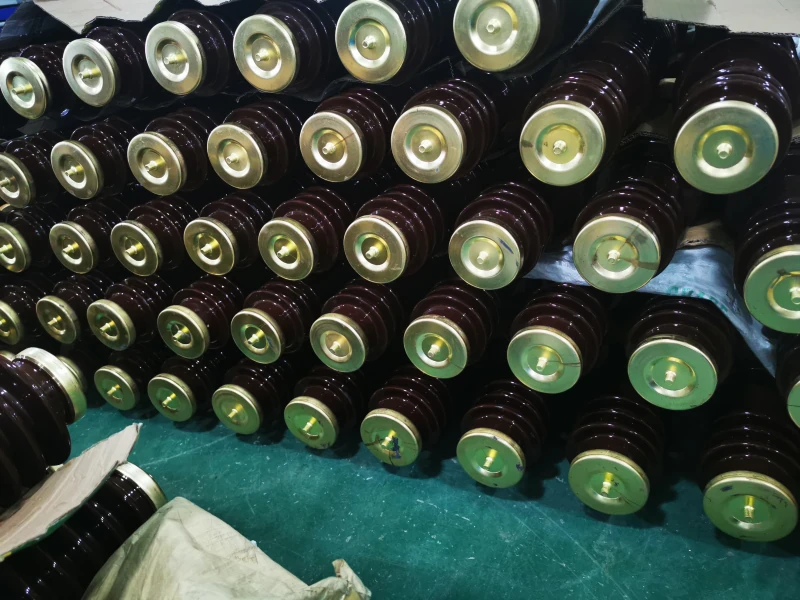
What is a Lightning Arrester
A lightning arrester protects power circuits from lightning damage. It takes away high transient voltage and strong lightning current safely.
It sends high lightning surges straight to the ground. It works with ground wires to stop direct lightning from hurting buildings and power systems.
How it works
When lightning voltage passes through wires and reaches the arrester, the device breaks its insulation for a short time. It lets high voltage flow quickly into the ground.
After voltage drops to a safe level, the insulation returns to normal. The ground current stops right away.
People usually fix it close to the devices it needs to protect. It connects phase lines and ground wires in AC systems, and poles and ground wires in DC systems. Workers mainly install it on power towers and building outer walls.
The difference between surge arrester and lightning arrester -Main Differences
Surge Arrester
- It mainly protects indoor home electric devices.
- People install it inside indoor power boxes.
- It stops inner circuit surges, power faults and sudden high voltage.
- It cuts off surge current and sends extra power to the ground via ground wires.
- It has many types such as low-voltage type, signal type and DC type.
- It only works as a surge protection tool.
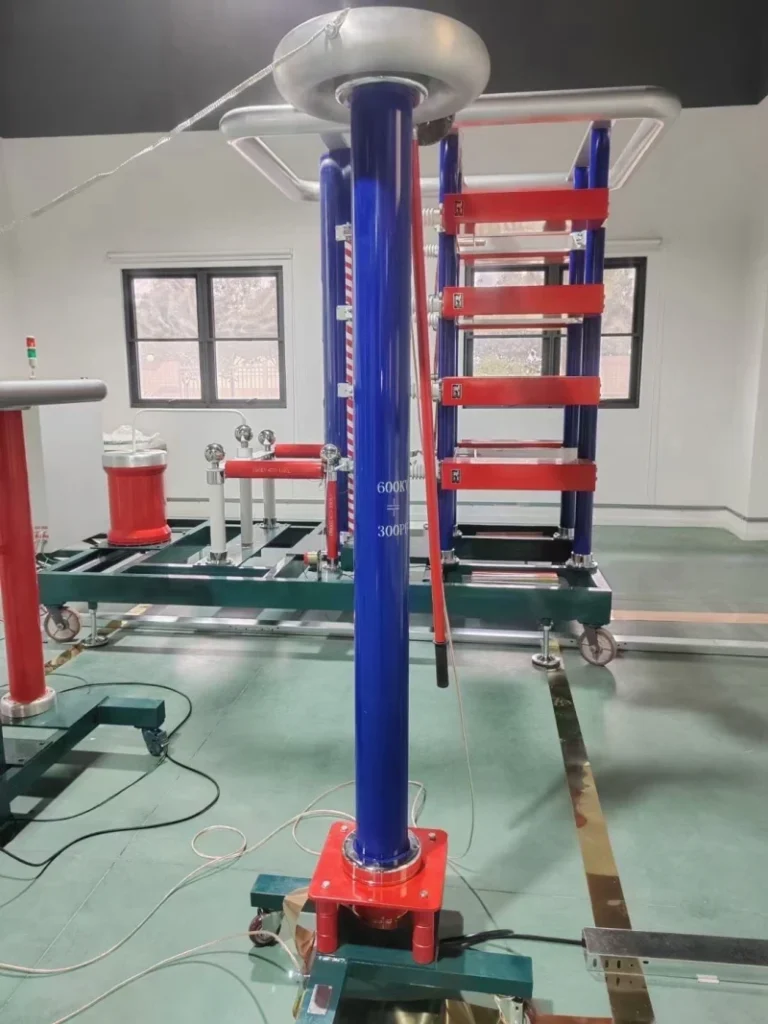
Lightning Arrester
- It mainly protects outdoor power equipment and buildings.
- People only install it in outdoor power areas.
- It focuses on direct lightning protection and also stops related surge damage.
- It guides all lightning current into the ground directly.
- Common types include zinc oxide type and multi-gap type.
- It can also work for simple surge protection.
How to Choose the Right Device
Many people do not know which one to use. Both devices protect home electricity well. Your actual protection needs decide your choice.
They share the same safety purpose. Either one can protect daily home electric appliances. You can pick one for basic family use.
If you feel confused, ask professional electricians for help. Different houses have different power needs. Trust experienced workers to give you proper installation plans instead of copying others’ ways.
Complete Simple Version
Lightning strikes and circuit surges easily break electric equipment and buildings. You must choose right protection devices carefully. Most people cannot tell surge arresters and lightning arresters apart. Wrong use causes system faults, broken equipment and big safety risks.
1. Surge Arrester (SPD)
It is a special tool to stop sudden inner voltage surges. It finds unusual high voltage fast and sends extra power to the ground. It keeps small and precise electric devices safe. It mainly uses voltage-sensitive resistors inside.
Working rules
- When power works normally, it keeps high resistance and does not affect daily electricity use.
- When devices start or power lines change load, it lowers resistance quickly and removes dangerous high voltage.
- It returns to normal state after all surges disappear.
2. Lightning Arrester
It is the first safety line against direct lightning and induced lightning. It takes away huge lightning current and stops strong lightning power from entering rooms. It avoids fires and broken machines on rainy storm days.
Working rules
Once lightning hits nearby, it builds a fast power path and sends all lightning energy into the earth. It returns to normal state after storms end and does not influence regular power supply.
Clear Comparison Table
| Items | Surge Arrester | Lightning Arrester |
|---|---|---|
| Main use | Stop inner sudden voltage surges | Send outdoor lightning current to ground |
| Working way | Keep voltage in safe range | Guide lightning power down to earth fast |
| Common voltage | 1.5kV to 20kV | 100kV to 1000kV |
| Bearable current | 10kA-100kA | 100kA-200kA |
| Reaction speed | 5-25 nanoseconds | 10-100 nanoseconds |
| Power level | Deal with common small surges | Stand against strong lightning impact |
| Fit power system | Low voltage home circuits | High voltage outdoor power lines |
| Install place | Indoor power boxes and device fronts | Building roofs and outer power lines |
| Common uses | Home use, data rooms, solar power lines | Power stations, wind farms |
| Service life | Easy to grow old after frequent surges | Last longer, only affected by lightning times |
Correct Installation Methods
Install lightning arresters first in lightning-prone areas
Put lightning arresters at power entrances of buildings in stormy places. Fix them on solar and wind power equipment to resist strong lightning hits.
Install surge arresters for indoor circuits
Place surge arresters in indoor power cabinets and near home devices. They remove inner circuit surges and make electric machines last longer.
Three-level full protection
- First level: Use lightning arresters at main power entrances to block outside lightning.
- Second level: Add surge arresters inside rooms to clear left small surges.
- Third level: Use small surge protectors beside precise electric devices.
Daily maintenance
Check lightning arrester ground wires regularly to make sure lightning power flows away smoothly. Examine inner parts of surge arresters and change old broken parts in time.
Proper Using Situations
Use surge arresters
- Stop inner voltage changes caused by device start and power line changes.
- Protect home and office low-voltage electric equipment.
- Guard key parts of solar and wind power machines.
Use lightning arresters
- Protect buildings and outdoor power lines in stormy areas.
- Fix on tall buildings and outdoor large power stations.
- Protect big outdoor solar and wind power fields.
Clear Up Common Wrong Ideas
Wrong idea 1: The two devices can replace each other
Truth: They work in different ways and fit different places. You cannot use one to take the place of the other.
Surge arresters cannot bear strong direct lightning and will break easily. Lightning arresters cannot stop daily inner circuit surges and speed up device aging.
Wrong idea 2: One single device can finish all power protection
Truth: One device cannot solve all safety problems.
If you only use surge arresters, strong lightning will break buildings and machines. If you only use lightning arresters, daily inner surges will keep hurting electric devices and shorten their service life.
Right way: Match outdoor lightning arresters and indoor surge arresters together to build a complete safe power system.