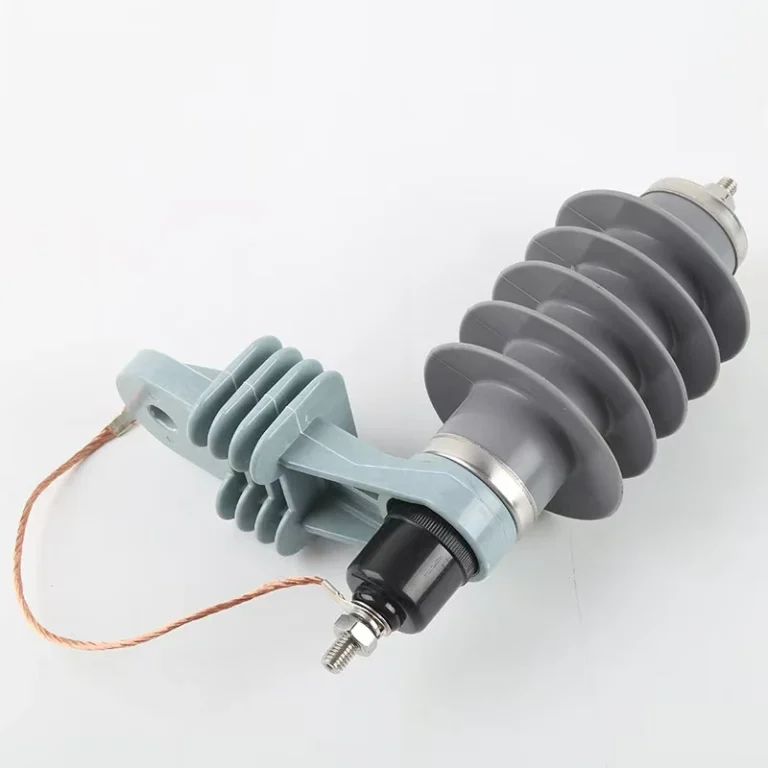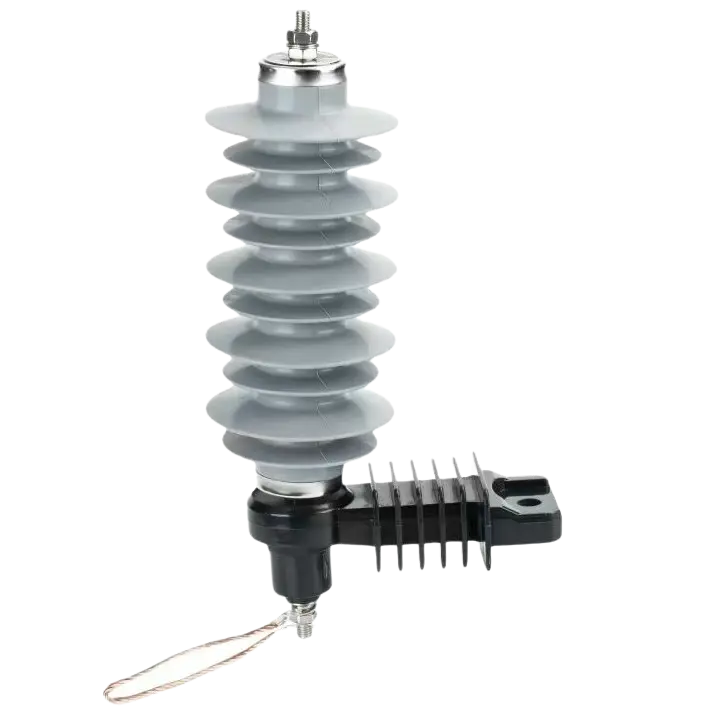
Just like other electrical protection devices, a high-voltage surge arrester can only perform its intended function effectively if technicians install it correctly. The specific installation method depends entirely on the arrester’s intended application—whether it is used for residential purposes to protect homes or for utility purposes to safeguard large-scale power infrastructure.
Installation Guidelines for Residential Applications
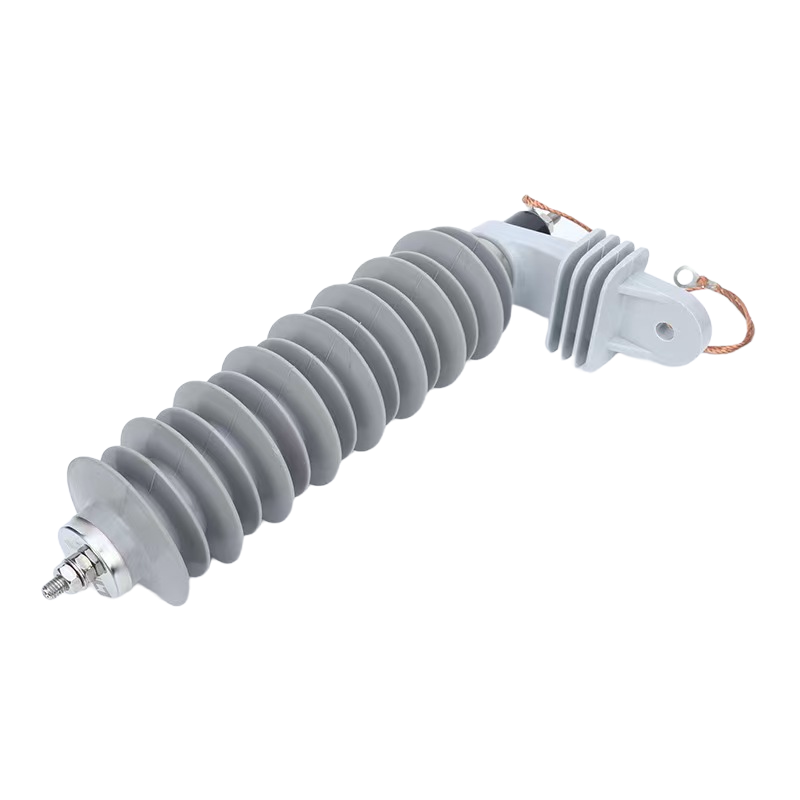
For residential applications, electricians typically install surge arresters directly on the main circuit breakers or distribution panels inside the home. A critical factor in ensuring optimal performance here is establishing a secure and reliable ground connection. This ground connection acts as a safe pathway for surge currents to dissipate into the earth, preventing them from damaging household electronics and wiring. Additionally, the surge arrester should be mounted as physically close as possible to the AC power entrance point of the home. By minimizing the distance between the arrester and the power entry, you reduce the induction effect in the wiring, which in turn enhances the arrester’s ability to quickly intercept and divert surges before they can travel to sensitive devices like refrigerators, air conditioners, or computers.
Installation Guidelines for Utility Applications
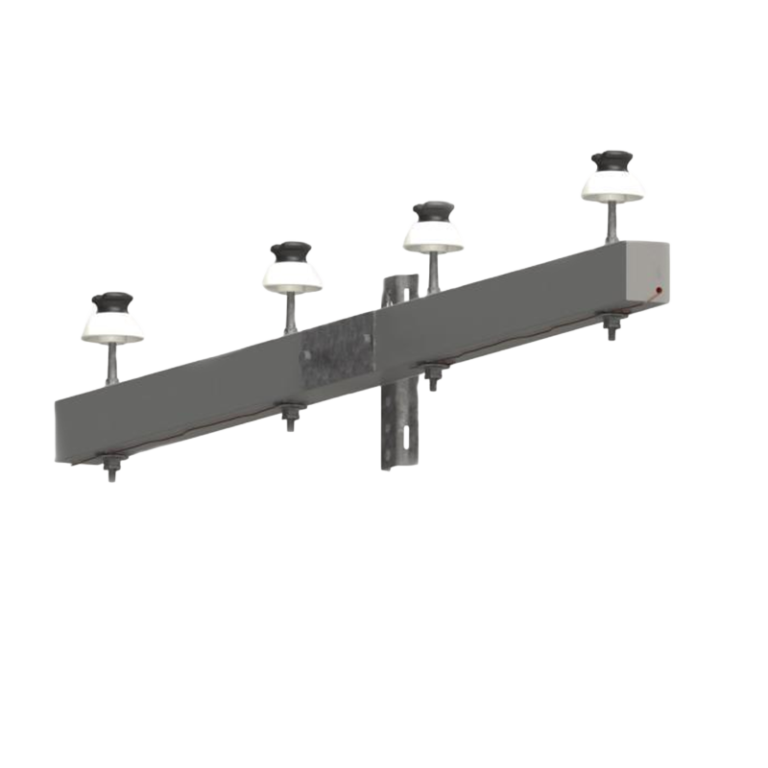
For utility applications—such as protecting power lines, substations, or transformers—installers typically mount surge arresters outdoors, directly in the path of the high-voltage power flow. The most important installation tip for this scenario is to place the arrester as close as possible to the power line it is designed to protect. This proximity ensures that the arrester can act as an effective barrier between the power line (which is vulnerable to lightning strikes and grid surges) and critical equipment like transformers. By being positioned close to the power line, the arrester can rapidly detect and divert surge currents to the ground, preventing these harmful currents from reaching and damaging expensive utility equipment that is essential for maintaining a stable power grid.
In summary, proper installation is the cornerstone of a high-voltage surge arrester’s effectiveness, regardless of its application. For residential use, prioritize a secure ground connection and placement near the AC entrance to maximize protection for household devices. For utility use, focus on close proximity to the power line to create a reliable barrier against surges that could disrupt the power grid. By following these installation guidelines, you ensure that the surge arrester operates at its full potential, safeguarding both residential and utility electrical systems from the destructive impact of high-voltage surges.