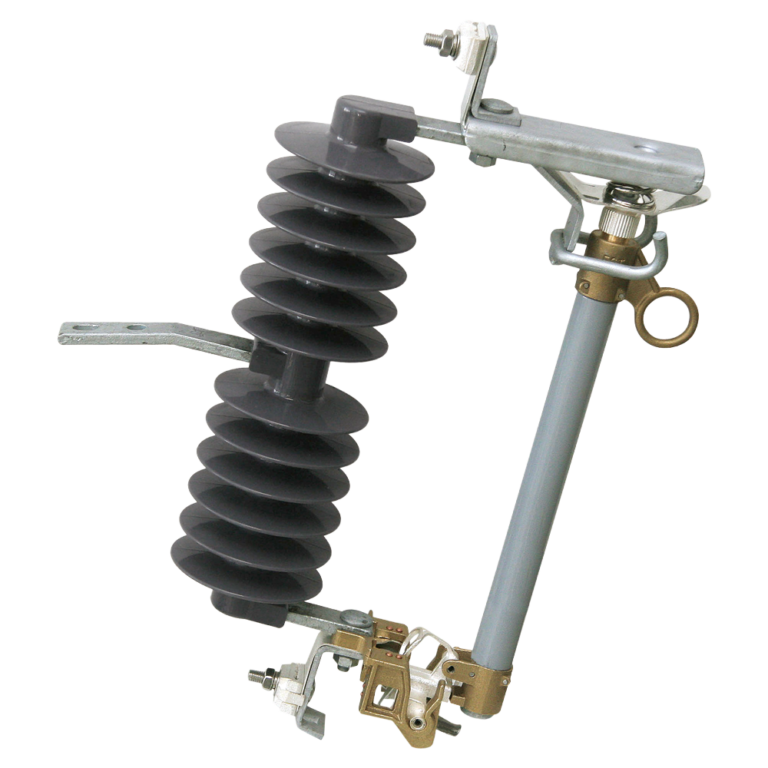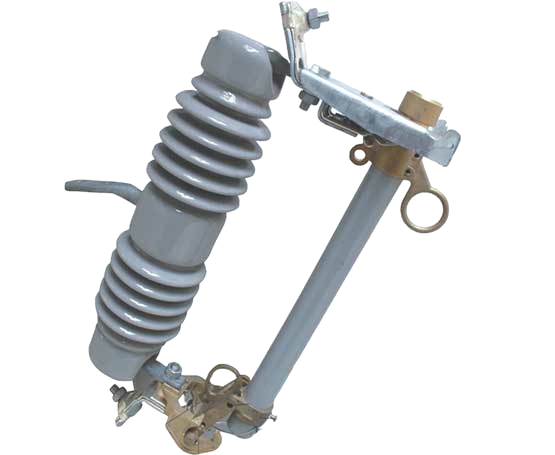
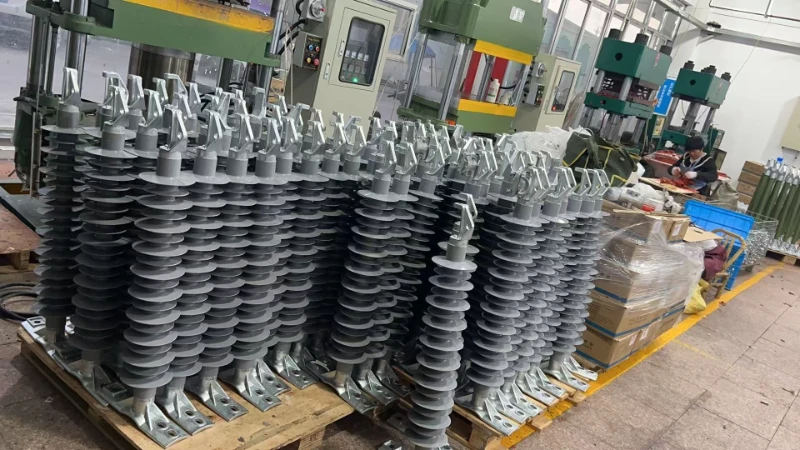
When you need to choose the right high-voltage surge arrester for your specific needs, you must carefully evaluate several critical factors to ensure the device delivers reliable, long-lasting protection. These factors directly impact the arrester’s performance, compatibility with your electrical system, and overall value—so taking the time to assess each one thoroughly will help you make an informed decision.
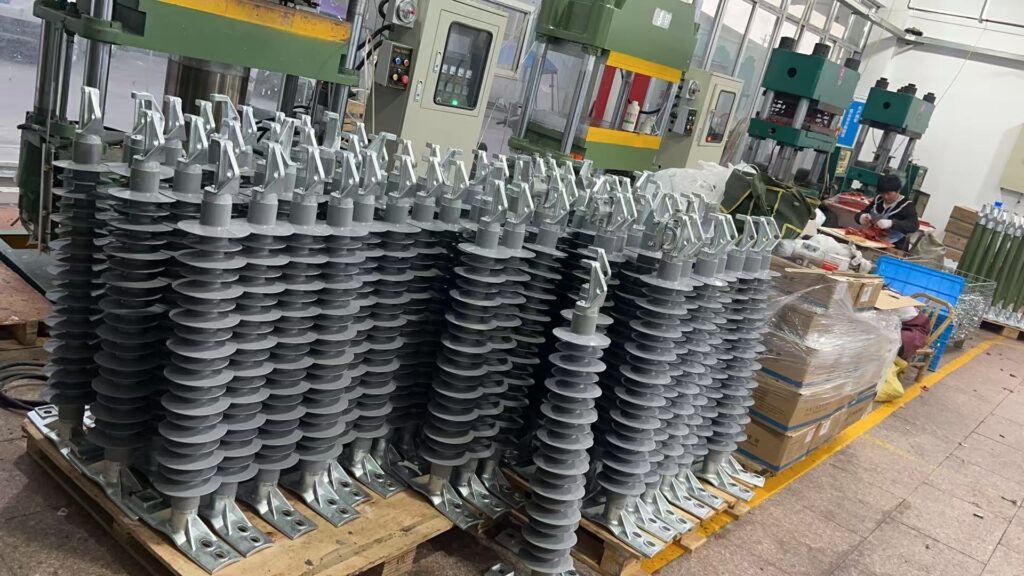
1. Conduct a Comprehensive Risk Assessment
A thorough risk assessment serves as the foundation of choosing the right surge arrester. First, you should identify the areas of your electrical system or property that face the highest risk of surge-related damage. This includes evaluating factors like proximity to lightning-prone areas, the age and condition of your wiring, and the sensitivity of the equipment you need to protect. Once you have identified these high-risk areas, you can select the type of surge arrester that best matches your protection needs. For example, if you only need basic protection for a small residential home, you can opt for a distribution arrester. If you need heavy-duty protection for a commercial building, industrial facility, or utility substation, you will need a more robust station arrester designed to handle higher voltage loads and more severe surge events.
2. Evaluate the Maximum Continuous Operating Voltage (MCOV)
The Maximum Continuous Operating Voltage (MCOV) is a critical technical specification that you must prioritize when selecting a surge arrester. You should choose an arrester with a sufficiently high MCOV to provide a comfortable buffer above your system’s normal line voltage. This buffer ensures the arrester can operate reliably during both low-voltage fluctuations and high-voltage spikes without triggering unnecessarily. However, you must also avoid selecting an arrester with an MCOV that is excessively higher than your line voltage. An overly high MCOV can limit the arrester’s ability to discharge surge currents effectively, reducing its overall protection capacity and potentially leaving your equipment vulnerable to damage.
3. Balance Protection Quality with Budget Restrictions
While budget considerations are unavoidable, you must balance cost with the quality and reliability of the surge arrester. You should prioritize selecting a device that fits within your budget while still delivering the level of protection your electrical system requires. Cutting corners on quality to save money can lead to subpar protection, resulting in costly equipment damage, downtime, and repairs in the long run. Look for surge arresters that offer a proven track record of reliability, durable construction, and compliance with industry standards—these features ensure you get the best value for your investment without compromising on protection.
Conclusion: Choose a Reliable, Certified Surge Arrester
High-voltage surge arresters play an indispensable role in protecting your electrical equipment from the destructive effects of lightning strikes, power switching surges, and other voltage anomalies. Without a properly selected arrester, your valuable equipment, wiring, and electrical systems remain vulnerable to costly damage and operational disruptions. However, it’s important to recognize that not all surge arresters are created equal—quality, certification, and compatibility vary significantly between products. If you want a reliable, high-performance surge arrester that meets strict industry standards, Chint Global offers a comprehensive range of KEMA-certified surge arresters. These arresters are engineered to deliver robust protection, tailored to meet the specific needs of residential, commercial, and utility applications. With a diverse lineup of quality options, you can easily find the perfect surge arrester to safeguard your electrical systems. Explore our full line of surge arresters here.